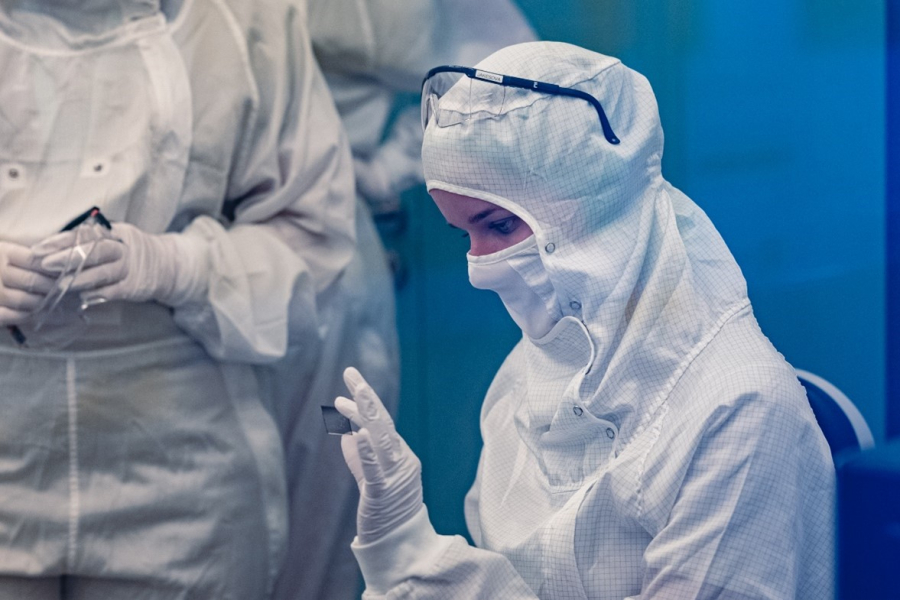
Our group focuses on neuromodulation, i.e., the ability to influence the functions of the nervous system using electrical stimuli. Current methods, such as deep brain stimulation or vagus nerve stimulation, are effective but very invasive, require surgery, and are only available at a few specialized centers. This limits the number of patients who can benefit from them. We are trying to develop smaller, simpler, and more easily implantable neurostimulators that could also be used by doctors outside highly specialized centers. At the same time, we are looking for ways to perform neuromodulation completely non-invasively, i.e., through the skin, without the need for surgery. Our team consists of 15 employees, and we also collaborate with doctoral students, foreign interns, and high school students as part of the SOČ competition. The atmosphere is friendly, and we treat our young colleagues as full members of the team.
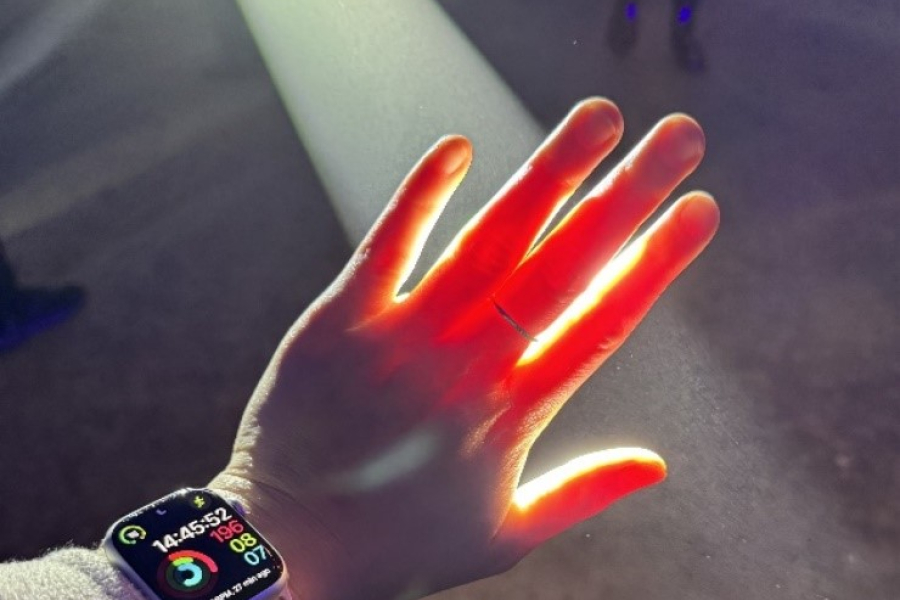
Our vision is effective neuromodulation therapies that are less invasive and accessible to more patients. A typical example is photovoltaic stimulation, where the implant is activated by red light that penetrates several centimeters into the tissue. This eliminates the need for a battery, which usually accounts for up to 85% of the implant's weight and must be replaced every 3-4 years. Patients thus avoid repeated surgeries, which protects their health. Another major benefit is that patients can start the therapy themselves. They place their smartphone on their skin, and its light source activates the implant. This approach offers comfort—patients do not have to undergo surgery. The therapies can be applied in multiple healthcare facilities. This paves the way for better access to treatment for patients with neurological diseases such as Parkinson's disease or epilepsy.
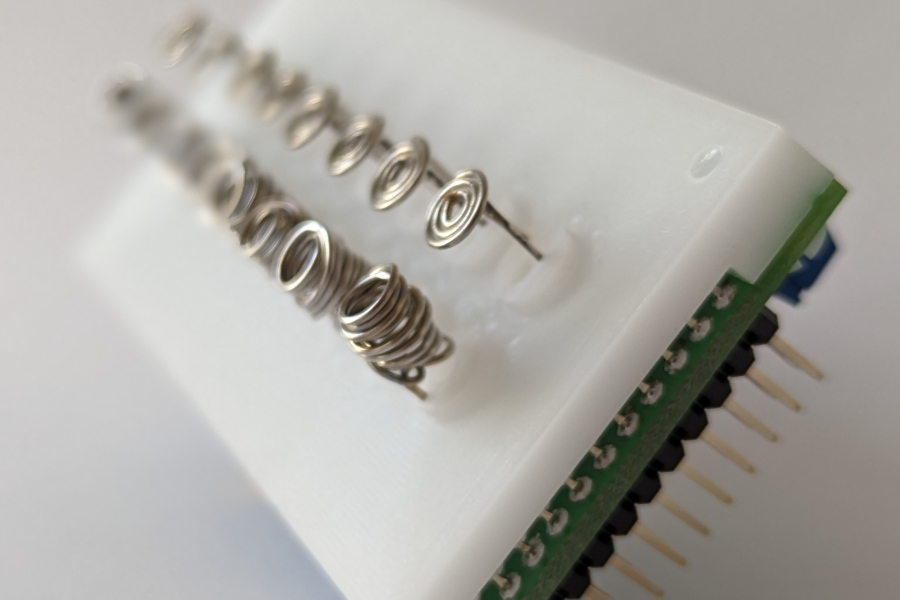
Over the past ten years, we have managed to shift the perspective on neuromodulation, i.e., ways to specifically influence nerve activity. We have developed our own photovoltaic stimulation technology, which uses light to generate electrical impulses that act on nerve cells. This method is protected by patents, has been successfully tested on animal models, and the results have been presented in a number of important studies. In the field of electrochemistry, we have challenged the long-accepted dogma that balanced current is completely safe. We have shown that even when the electric current is balanced and the number of positive and negative charges cancel each other out, chemical reactions still occur in the vicinity of the electrodes. These can produce reactive oxygen species, such as hydrogen peroxide, which has the potential to damage nerve tissue. This discovery has attracted a lot of attention, and today our workplace is known precisely because it has demonstrated the complexity of these processes. At the same time, we have been able to use this phenomenon to the benefit of patients. We have optimized the electrodes to generate more hydrogen peroxide, making it possible to perform electrosurgical procedures with much greater precision. This led to the creation of the so-called Faraday scalpel, which allows targeted destruction of nerve cells without damaging blood vessels. This procedure is promising, for example, in epilepsy. Instead of "burning" an entire part of the brain, it is possible to perform a gentler and safer intervention. Further results show that reactive oxygen species can also be used in oncology. Tumor cells are much more sensitive to these substances than healthy cells, so they can be selectively destroyed using electrodes. We have achieved good results in glioblastoma, and thanks to cooperation with the commercial sector, we are trying to bring this technology closer to clinical practice.
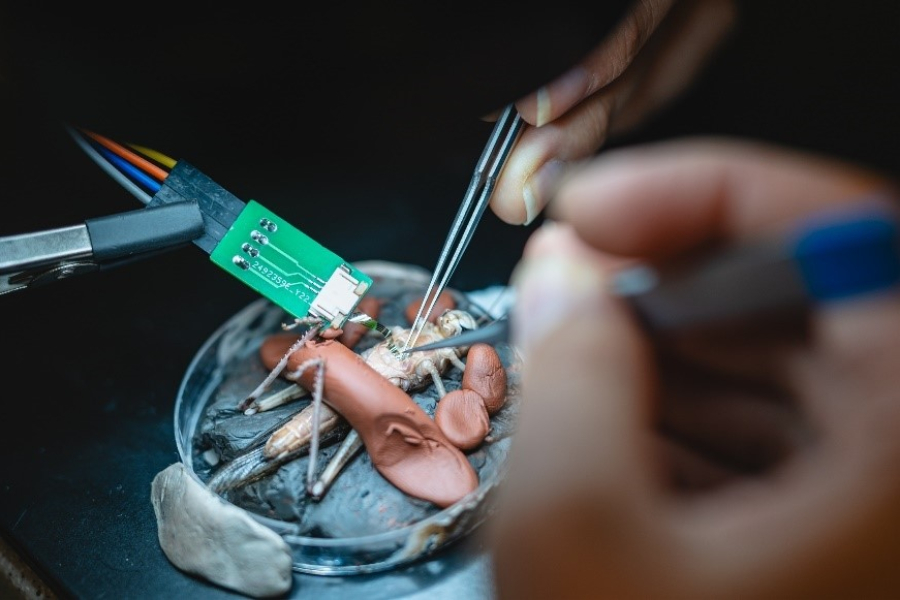
Today, we are focusing on three key areas. The first is photovoltaic neurostimulation, where we are looking for suitable clinical applications and negotiating the commercialization of patents. The second area is non-invasive electrostimulation. In collaboration with St. Anne's Hospital in Brno, we are testing our procedures on patients with Parkinson's disease who have temporarily implanted electrodes in their brains. This gives us immediate feedback from the human brain and allows us to directly evaluate the effectiveness of our methods. The third area is electrochemistry, which has led us from researching the safety of electrodes to discovering new possibilities in cancer treatment. In addition, we also work with less traditional models, such as insects—locusts, cockroaches, and leeches. These experiments allow us to quickly and ethically test new ideas before moving on to expensive and demanding experiments on rodents or patients. Our group has a broad scope and is not afraid to pursue even the most daring ideas if we find them meaningful.

