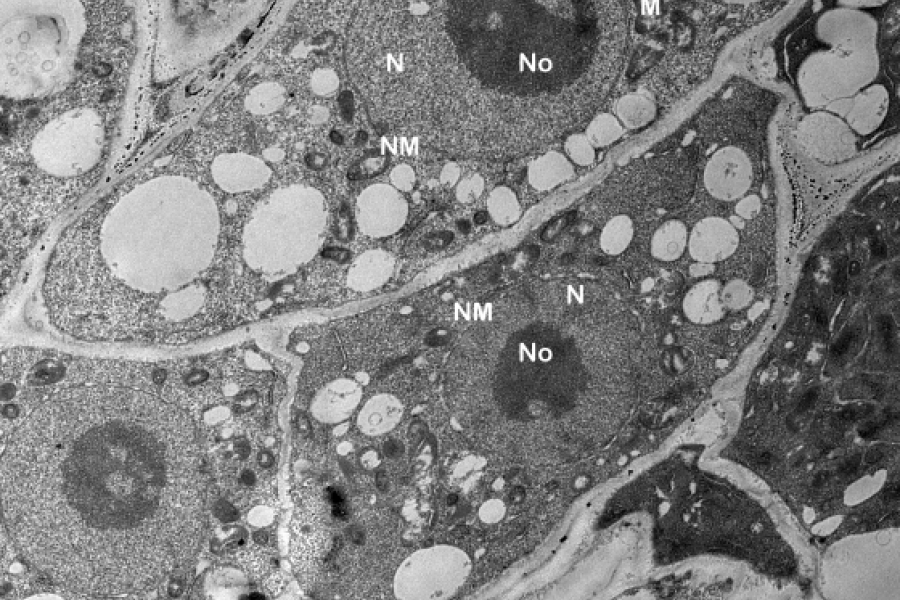
We are a team of scientists combining molecular biology, genomics, biochemistry and bioinformatics. We investigate the structure and function of chromatin and the molecular complexes associated with telomeres and telomerase. We seek to understand the mechanisms by which organisms protect the ends of their chromosomes, maintain the stability of genetic information and how these mechanisms have changed over the course of evolution. We also study the roles of proteins and their modifications in chromatin assembly, as well as other epigenetic mechanisms that affect gene activity without altering the DNA sequence itself. Another focus is RNA modifications that influence RNA stability, three-dimensional structure and function. These changes, known as epitranscriptomic mechanisms, affect both coding RNA molecules, which carry information for protein production, and non-coding RNA molecules, which perform other functions in the cell. We primarily use plant models, which also allow us to investigate general principles of genome function.
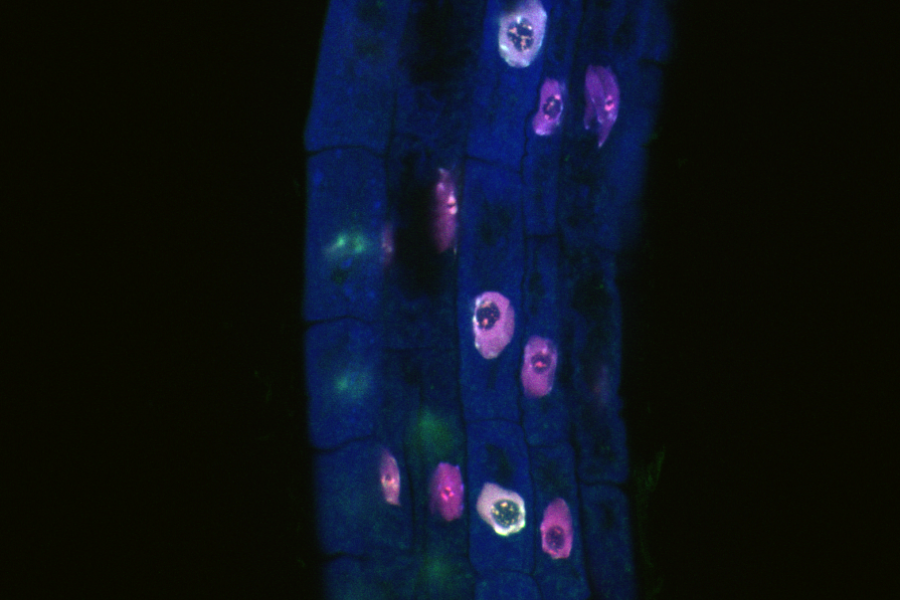
The stability of genetic information is essential for the normal growth, development and reproduction of all organisms. Conversely, changes arising during DNA replication and repair are a source of evolutionary variation. Genome stability and plasticity must therefore be carefully balanced for long-term survival. Our research helps explain how this balance is achieved at the molecular level: how organisms protect their chromosomes, respond to DNA damage and cope with changes in their genomes. Plants are particularly suitable models for this research because of their high genome plasticity – their ability to tolerate and adapt to changes in genetic information. Complex epigenetic and epitranscriptomic mechanisms also play an important role, helping plants respond both to changing environmental conditions and to changes within their own genomes. In the future, our findings may find applications in plant biotechnology and the breeding of more resilient crops.
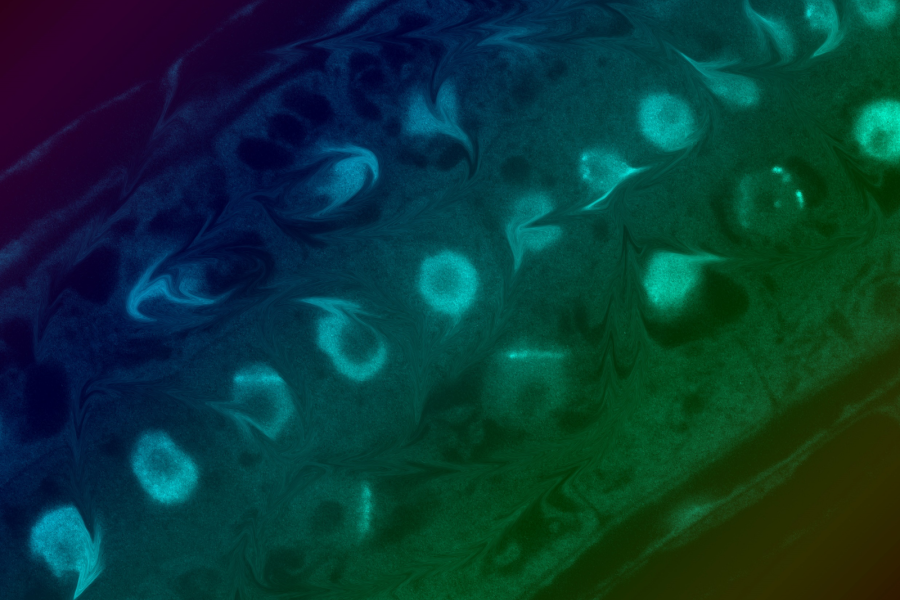
Since 1996, when we demonstrated the existence of telomerase in plant cells, we have contributed to major discoveries in telomere and telomerase biology. We described the distinctive, so-called columnar structure of telomeric chromatin and characterised plant telomeric proteins of the TRB family, including their telomeric and epigenetic functions. We found that telomeres and ribosomal RNA genes are particularly sensitive to disruption of chromatin assembly during DNA replication and repair. We also showed that plants can tolerate extensive chromosome rearrangements surprisingly well.
In collaboration with the Institute of Biophysics of the Czech Academy of Sciences, we combined bioinformatic and experimental methods to identify telomerase RNAs in higher plants and in the large group of organisms known as Diaphoretickes, which includes, for example, bryophytes, algae and “protozoa”. This allowed us to trace 1.5 billion years of telomerase evolution. We also characterised previously unknown telomerase RNAs in several insect orders and nematode lineages, and elucidated a principle underlying evolutionary changes in telomeres and telomerases based on the emergence of gene copies encoding telomerase RNAs that function alongside one another.
We also created TeloBase, a database that brings together information on telomeres across organisms.
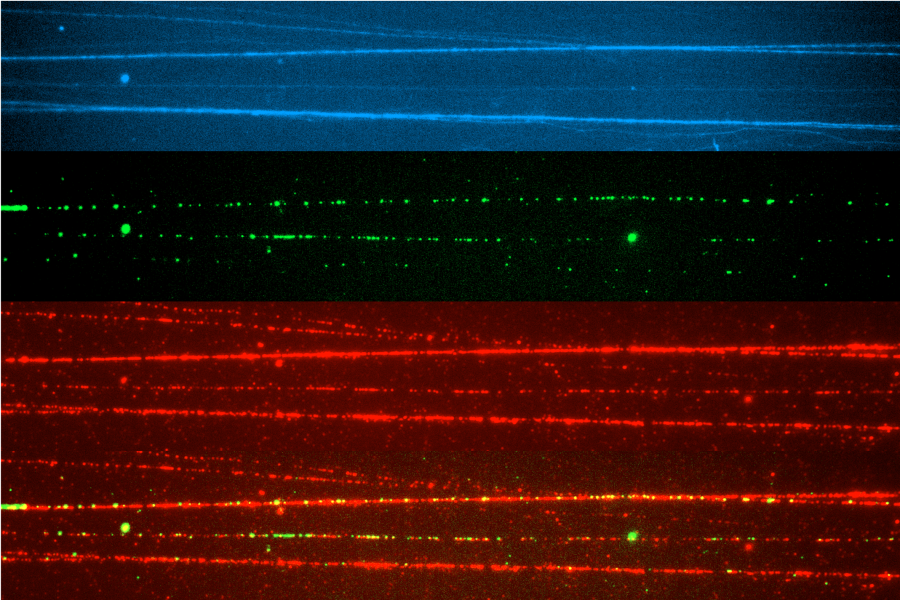
We investigate evolutionary transitions between two ways of maintaining telomeres: telomerase-dependent maintenance and alternative mechanisms that do not rely on telomerase. We have identified these transitions in various groups of eukaryotes and have also induced them in the laboratory by disabling one of the key telomerase subunits, such as telomerase RNA. Similar transitions also occur when telomerase activity is suppressed during cancer treatment, potentially giving rise to resistant clones of cancer cells. Studying these processes therefore has biomedical relevance.
We are also working to identify functionally important non-coding RNAs and their epitranscriptomic modifications, which affect the stability, structure, function and interactions of these molecules. We continue to investigate histone chaperones and other protein complexes involved in DNA replication and repair. In collaboration with colleagues in Germany, we use genome editing to study how the length of individual telomeres is regulated following extensive chromosome rearrangements.