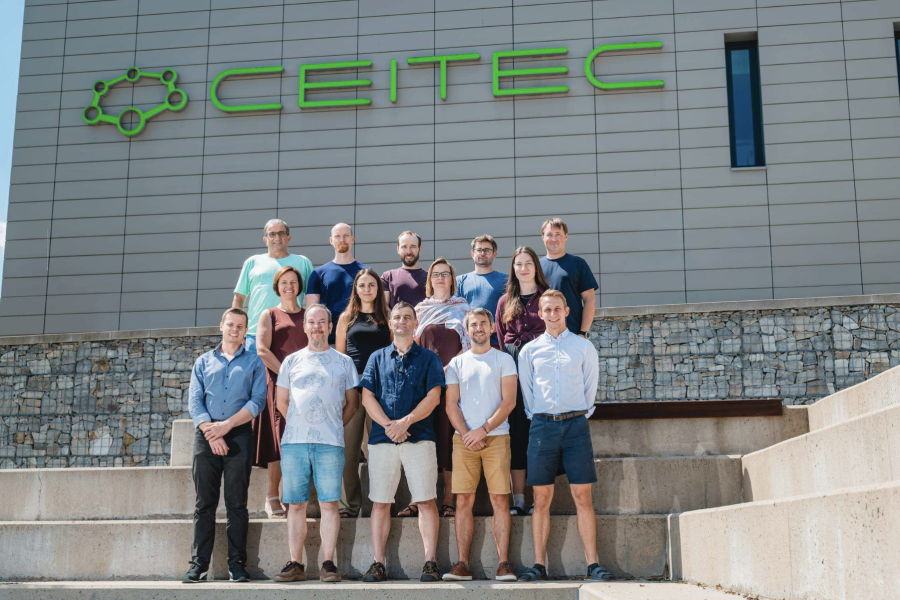
The key to our research is understanding the relationship between a material’s chemical composition, processing, microstructure, and resulting properties. In advanced ceramics, even subtle differences in raw material purity, particle size, or processing conditions can significantly affect the final performance. Our research covers piezoelectric, transparent, and luminescent materials, structural ceramics and ceramic–metal composites, high-entropy materials, and bioceramics. One of our key strengths is the team’s broad interdisciplinary expertise. By combining materials engineering, physics, and chemistry, we approach research challenges from multiple perspectives and develop solutions that transcend traditional disciplinary boundaries. In addition to designing the materials themselves, we develop processing technologies ranging from conventional ceramic powder processing and advanced sintering methods to 3D printing and ceramic–metal joining. With access to CEITEC BUT’s research infrastructure, we can characterize materials in detail and study the entire development process, from the initial raw material to the final functional component.
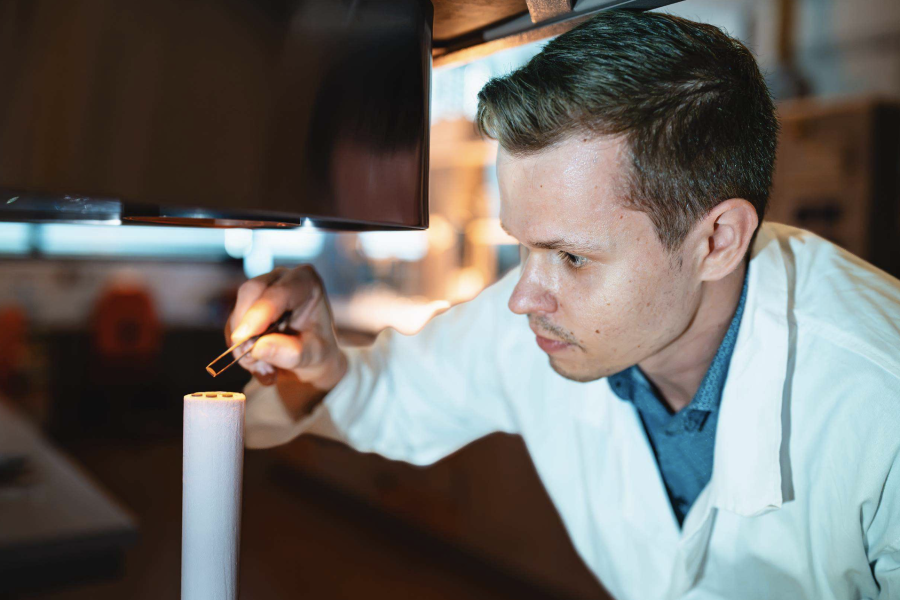
Our research delivers applications across a wide range of fields, from electronics, sensing, and optics to engineering, security technologies, and healthcare. Piezoelectric ceramics convert mechanical deformation into an electrical charge and vice versa, enabling applications in ultrasound technologies, sensors, actuators, and acoustic systems; transparent and luminescent materials are used in optics, photonics, lasers, and radiation detectors, while bioceramics support bone tissue regeneration and replacement. For extreme mechanical and thermal loads, we combine ceramics with metals to create composites for protective systems, security structures, safes, and industrial components. In safe systems, for example, we tested resistance to various forms of mechanical and high-energy attacks, including fire resistance., with new composites offering the potential to combine high durability with lower weight—an important advantage particularly for large structures. To ensure that our research extends beyond the laboratory, we focus on areas with clear application potential and work with industry to address requirements such as increased wear resistance, reduced weight, or specific electrical and thermal functionalities. Solutions may involve developing new material compositions, modifying microstructures or manufacturing processes, or combining multiple materials. Our goal is to develop solutions that are not only functional in the laboratory, but also reproducible, economically viable, and applicable under real-world conditions.
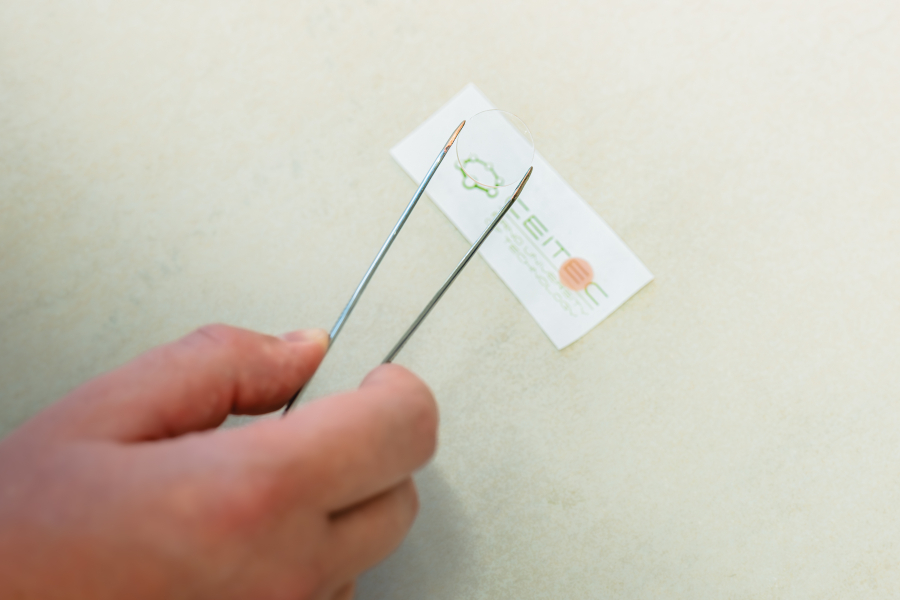
High-entropy ceramic materials are one of our rapidly developing research areas, where we have made significant advances in recent years. Building on this direction, Tereza Havlíková focuses on transparent high-entropy ceramics with a garnet structure and the control of their photoluminescence. Daniel Drdlík and Katarina Drdlíková also contribute to research on transparent and luminescent ceramics, with potential applications in lasers, optical and photonic technologies, and scintillation detectors. We also continue to investigate piezoelectric and ferroelectric ceramics, including lead-free alternatives with functional properties approaching those of currently used lead-containing materials. Another major focus is additive manufacturing and bioceramics: using 3D printing, we work with hydroxyapatite- and tricalcium phosphate-based materials with potential applications in bone tissue regeneration and replacement, while additive manufacturing enables us to create complex porous structures and tailor their mechanical properties to specific applications. We also explore 3D printing from a technological perspective, developing, for example, ceramic–metal nozzles designed for the extrusion of highly abrasive materials.
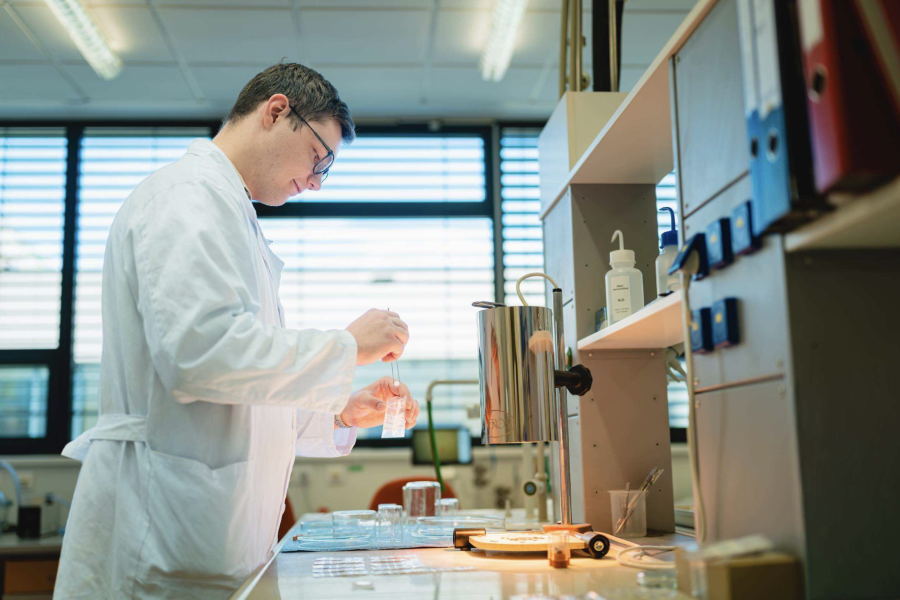
Sustainability and more efficient processing of ceramic materials are becoming increasingly important aspects of our research. One of our emerging research directions is the upcycling of grinding sludge and other industrial waste materials, which we aim to use as secondary raw materials for producing new advanced ceramics. At the same time, we are developing rapid sintering technologies that can significantly reduce the time required to densify ceramic materials. In this way, we seek not only to further advance the properties of high-performance ceramics, but also to produce new materials more efficiently and with lower resource requirements.

