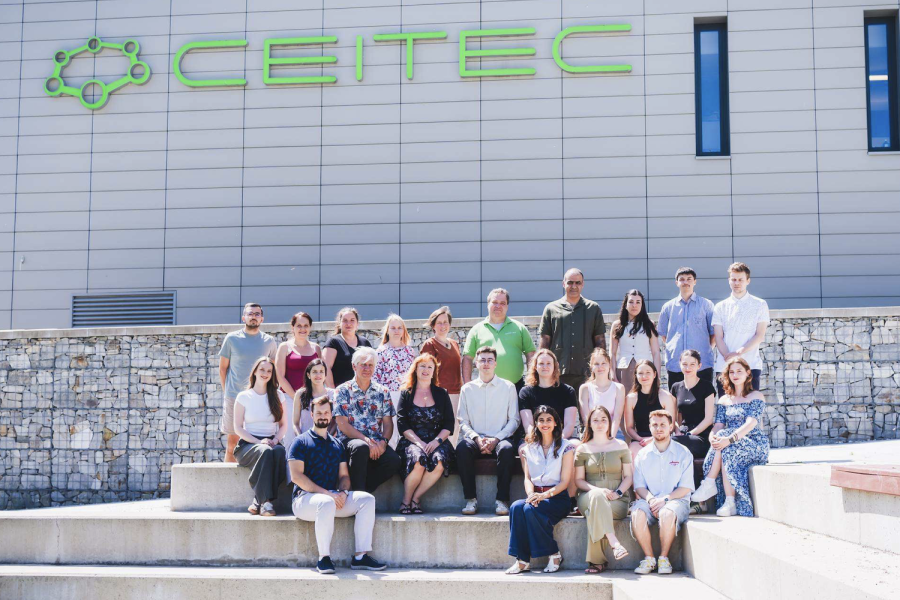
Our research focuses on the development of biomaterials for the replacement of both soft and hard tissues, including skin, bone, and cartilage. We develop new approaches for the treatment of complex injuries, including injectable hydrogels and bone cements that can support the healing of soft tissues and comminuted bone fractures, where the body's natural regenerative capacity is limited. A key foundation of our work is understanding the regenerative processes of individual tissues at the molecular level and translating this knowledge into the development of bioactive synthetic substitutes. We strive to create solutions that are not only effective and safe but also accessible for broader clinical application
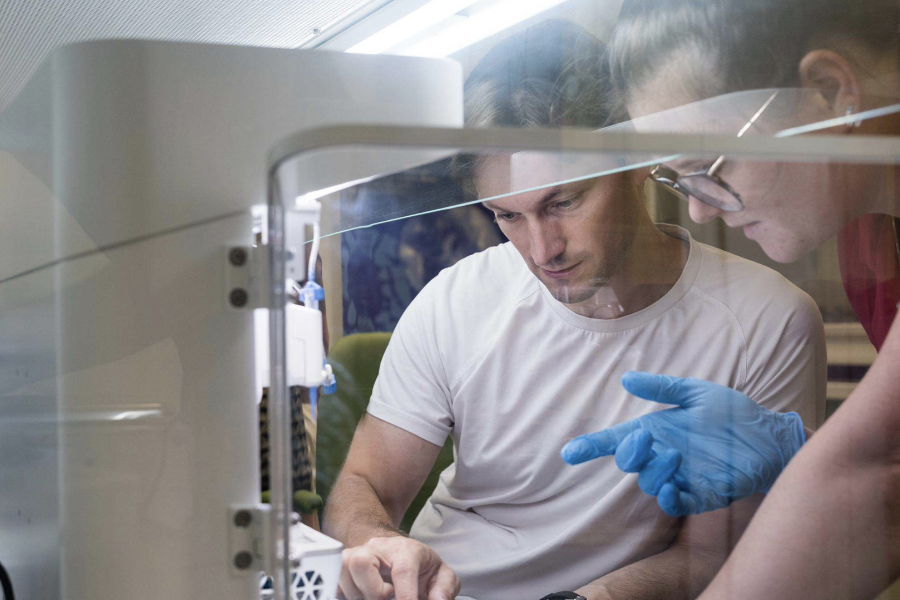
The materials we develop represent a new generation of biomaterials with the potential to transform the treatment of damaged tissues. Unlike traditional implants, they actively promote regeneration and contribute to tissue repair. Through the controlled release of bioactive substances, they can accelerate healing and reduce the risk of infectious complications. In bone replacement applications, for example, they support the formation of new bone tissue. These materials not only replace damaged structures but also stimulate the body’s natural regenerative processes while helping to prevent inflammatory responses. An important part of our research is also the development of in vitro biomimetic tissue models for drug testing. These models enable the study of both healthy and diseased tissues under laboratory conditions, including skin infections, osteoarthritis, and cancer. They provide an ethical alternative to animal testing while also reducing costs, making testing more flexible and scalable. At the same time, they address the growing demand from biomedical research and clinical practice for more accurate models for the development and validation of new therapies
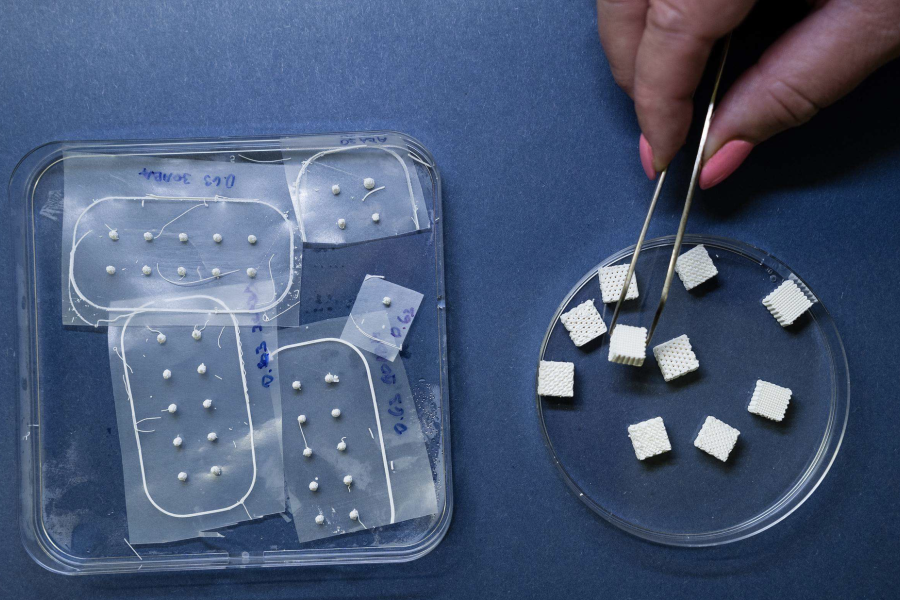
We have achieved significant results through the Czech–Icelandic PROFiBONE project, which focused on the development of a biomaterial for 3D printing personalized bone implants for cranioplasty. These implants were designed to meet the specific needs of individual patients while supporting the regeneration of cranial bone tissue. The developed material combines an optimized structure with the controlled release of bioactive substances. The patient-specific 3D-printed implant gradually degrades, promotes the growth of new tissue, reduces the risk of infection, and is eventually replaced by newly formed bone. As a result, it overcomes many of the limitations associated with permanent metal or plastic implants. Our research group has also made substantial progress in the field of skin tissue substitutes through the 4Dermis project. The developed skin substitutes were evaluated in preclinical animal studies and demonstrated clinically significant improvements in the healing of extensive deep skin injuries. Ongoing follow-up projects are now focused on further validation and the subsequent clinical evaluation of these technologies in burn patients

