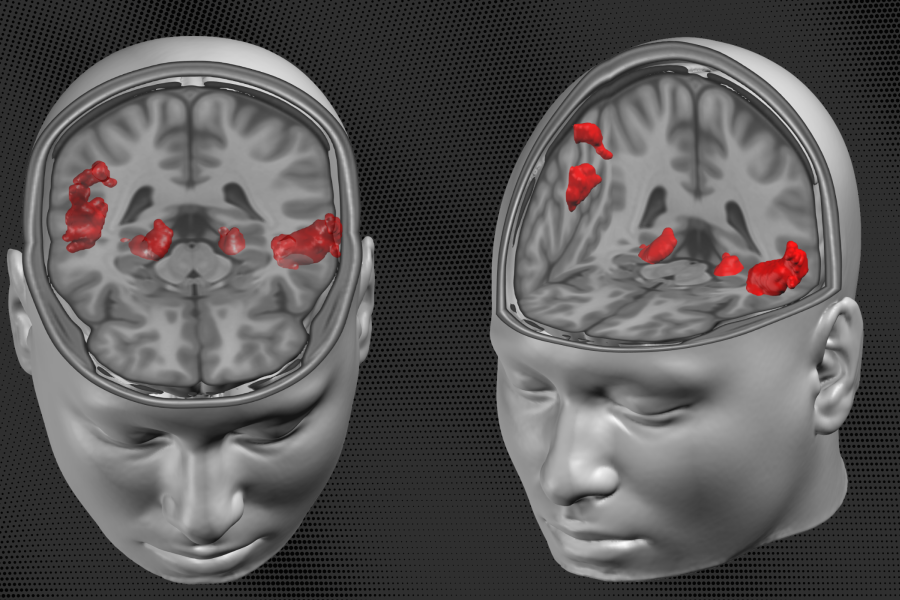
We are a team of scientists and physicians combining neurology, neuroscience, and imaging methods. We study how the brain functions and how its activity changes during disease, particularly in patients with Parkinson’s and Alzheimer’s disease. We work with advanced technologies such as magnetic resonance imaging and also use non-invasive brain stimulation methods. We analyse the data obtained to better understand the links between brain structure, brain function, and clinical symptoms.

Our goal is to improve the diagnosis and treatment of neurological disorders. By better understanding changes in the brain, we can detect disease earlier, monitor its progression more precisely, and contribute to the selection of more suitable treatments. Our research therefore helps improve patient care and quality of life.
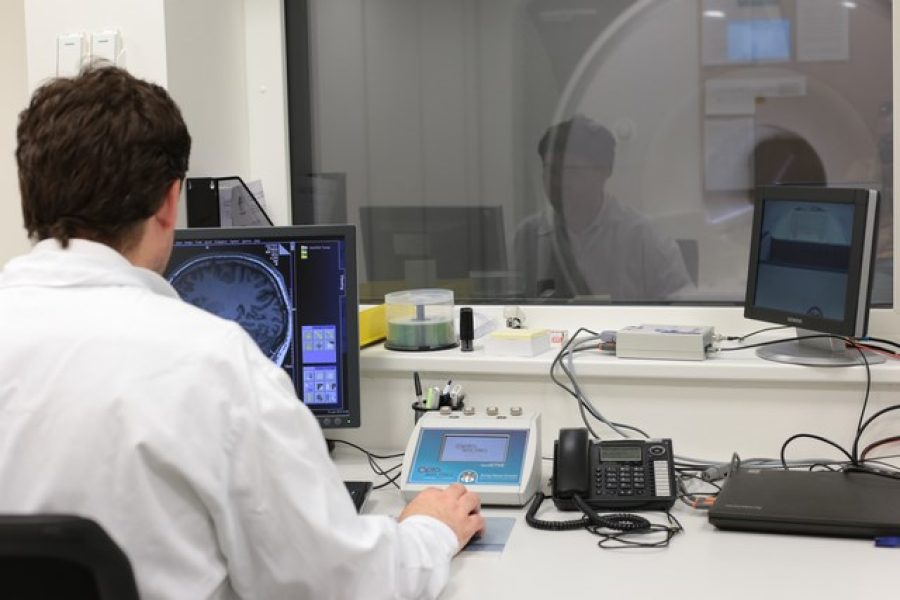
We have contributed to the identification of early brain changes in Parkinson’s and Alzheimer’s disease using advanced imaging methods. We demonstrated that these changes can be detected even before the full development of symptoms and used as biomarkers for early diagnosis. We have also shown that non-invasive brain stimulation can influence brain connectivity and improve certain cognitive and motor functions, such as speech in patients with Parkinson’s disease. Our work helps explain why diseases differ between individual patients and how different symptoms relate to specific changes in the brain.
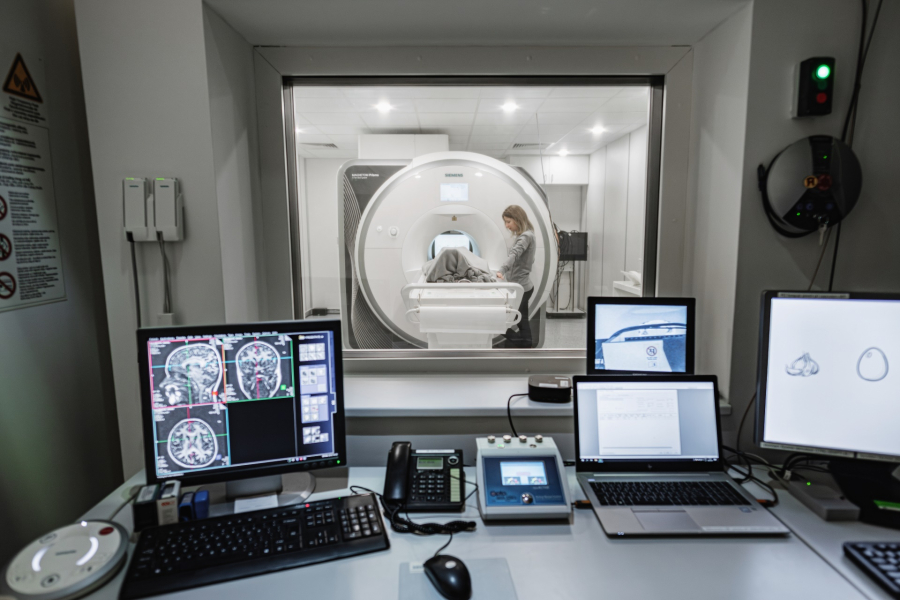
In addition to Alzheimer’s and Parkinson’s disease, we are also intensively studying dementia with Lewy bodies — the second most common neurodegenerative disorder associated with dementia. We focus on its earliest possible detection and on identifying markers that may help predict disease progression more accurately. Using analyses of brain connectivity, brain microstructure, and advanced modelling approaches, we are searching for new diagnostic strategies. At the same time, we investigate non-invasive brain stimulation methods that could support memory, attention, or language abilities in older adults and in patients with neurodegenerative disorders.