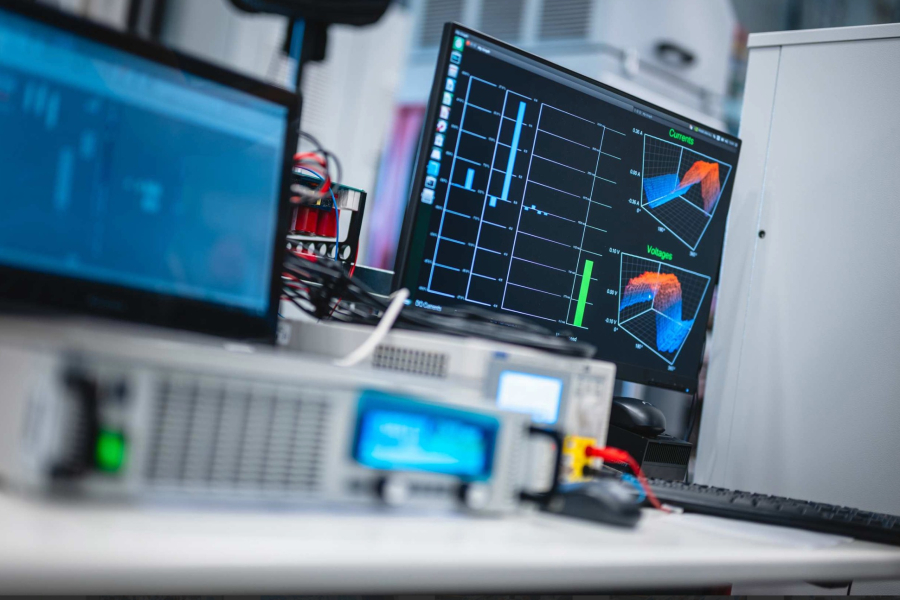
A significant part of our research focuses on the automotive industry, particularly on electromobility and autonomous mobility. We develop intelligent control systems for electric drives, fault diagnosis methods, machine perception algorithms, and technologies that ensure the safe operation of autonomous systems. Advanced control systems, sensors, and automation play a key role in enabling more efficient, safer, and more energy-efficient operation of modern technologies. Today, electromobility extends far beyond engineering challenges. It also involves issues such as the availability of strategic materials, the long-term reliability of systems, and public trust in emerging technologies. One of our key research priorities is ensuring that autonomous systems remain safe and operational even in the event of failures affecting individual components or sensors
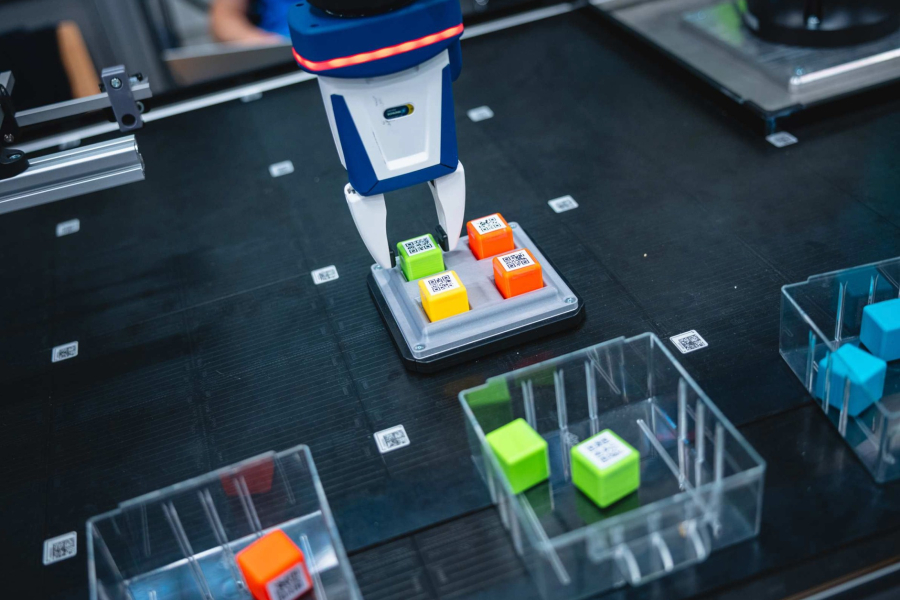
The technologies we develop are applied in industrial projects and collaborations with the automotive industry and other technology partners. Among our key achievements are algorithms and software for the control and diagnostics of electric motors, as well as solutions for specialised industrial drives. Our research improves the energy efficiency of systems, reduces operational losses, and enables the early detection of faults through mathematical modelling and artificial intelligence. These advances help extend equipment lifetime, increase reliability, and prevent costly failures. Artificial intelligence and large-scale data processing are playing an increasingly important role in our research, supporting applications such as fault diagnostics, predictive maintenance, and autonomous decision-making. Another essential part of our work is validating new technologies under conditions that closely resemble real industrial operation. A key role is played by the RICAIP Testbed Brno—an experimental environment dedicated to automated manufacturing technologies, robotics, and industrial digitalisation. Here, we integrate robotics, autonomous systems, intelligent drives, and machine perception, testing their interaction within a smart factory environment. The infrastructure also includes a state-of-the-art multi-GPU computing system designed for advanced machine learning, artificial intelligence, and manufacturing digitalisation applications
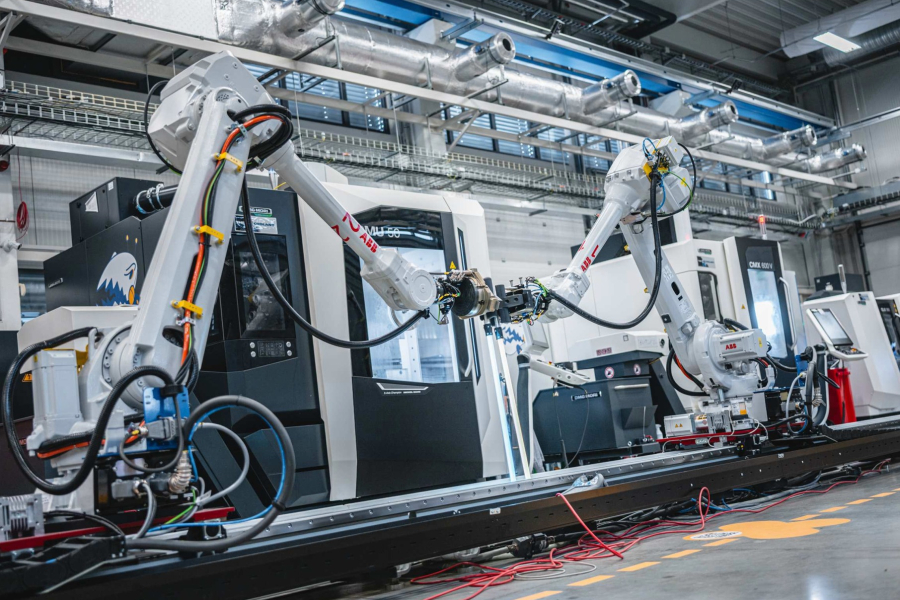
We develop technologies with practical applications across industry and the automotive sector. Among our key achievements are algorithms for the diagnostics of electric motor faults, using mathematical models and artificial intelligence to detect emerging failures at an early stage and prevent costly equipment damage. Our researchers also focus on advanced control of electric drives, improving energy efficiency, reducing power losses, and increasing the reliability of industrial systems. One of our most notable projects is Odin, an autonomous mobile robot designed for operation in manufacturing environments. Odin navigates independently, creates maps of its surroundings, detects obstacles, and plans optimal routes in real time. It can be used for material transport, industrial inspection, or remote telepresence through virtual reality technology. The robot is being tested as part of the next generation of smart factories, where automation, robotics, and artificial intelligence will form the foundation of modern manufacturing

