We are a team of scientists combining genetics, molecular biology, and bioinformatics. Our research focuses on the genetics of blood cancers, inherited diseases including rare genetic disorders, and the study of genetic diversity within the Czech population.
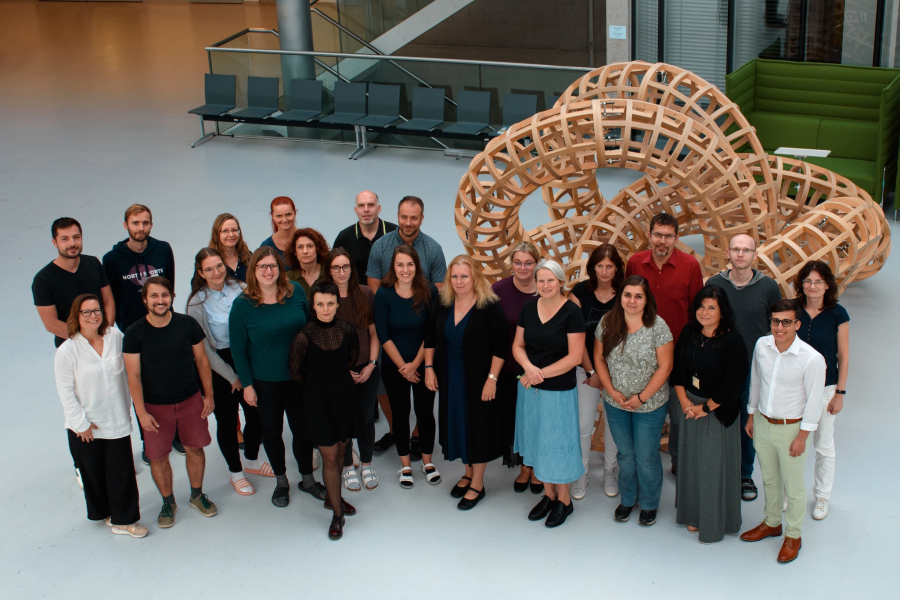
Our findings help distinguish harmless genetic variation from changes that may be associated with disease. At the same time, we seek to understand the biological mechanisms underlying disease and determine how specific DNA changes affect cell function and contribute to disease development. In cancer research, we also investigate how diseases evolve over time and how treatment affects tumour cells. For example, we study whether certain genetic changes provide cancer cells with an advantage in surviving therapy. These insights may contribute to the development of more accurate diagnostic tools and more effective treatment strategies.
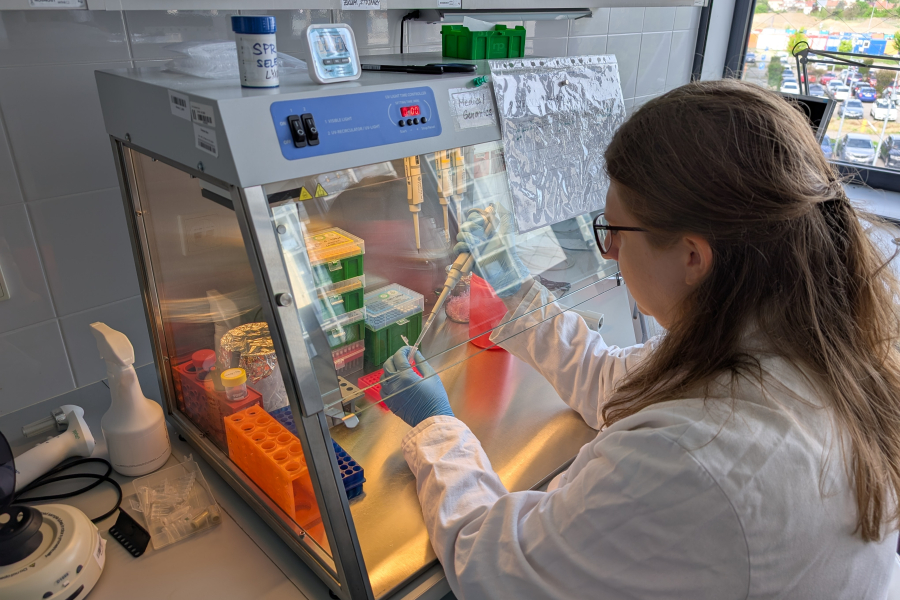
We are among the leading European centres studying genetic changes in leukaemias and lymphomas. Our research has demonstrated, for example, how mutations in certain genes are linked to patient prognosis, and our findings have contributed to international diagnostic guidelines. We are also developing new approaches based on the analysis of tumour DNA from blood samples, making it possible to detect disease or relapse without the need for invasive procedures. In addition to cancer research, we created the first national genomic database covering all regions of the Czech Republic. This resource helps distinguish common genetic variation from changes that may be associated with disease.
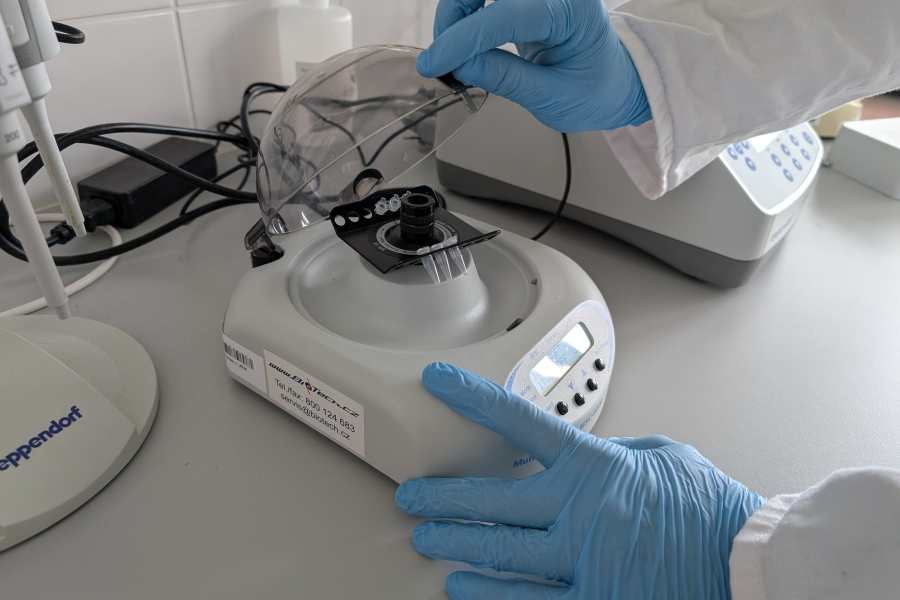
We study how diseases evolve over time and how their genetic profiles change. For example, we investigate why some cancers return after treatment and how different populations of cells compete with one another. We also participate in projects that connect genomic data across Europe. This allows us to compare genetic variation between populations and explore what is characteristic of the Czech population. Alongside our laboratory work, we analyse large-scale genetic datasets from thousands of individuals participating in research projects. We aim to translate these findings into tools that can support physicians in diagnostics and patient care.

