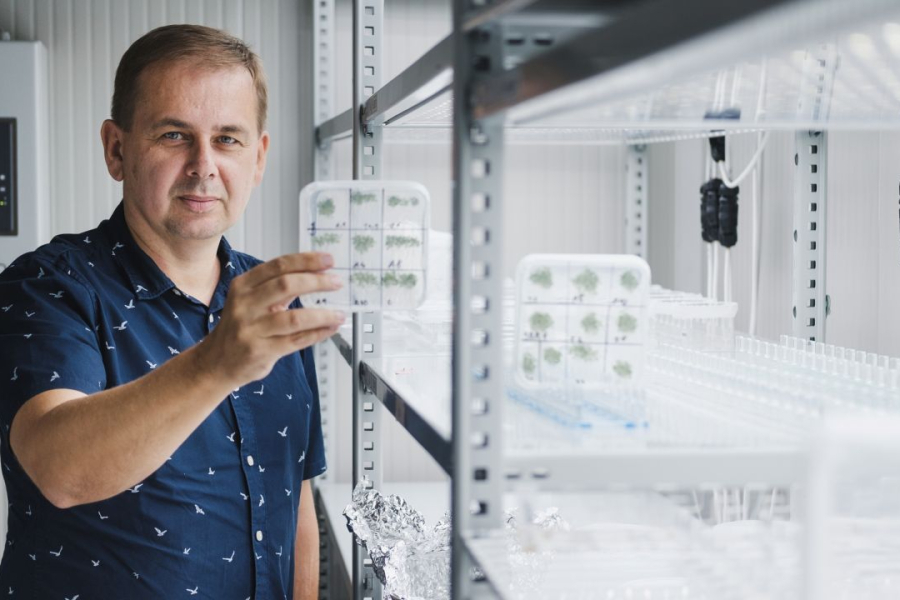
We are a team of scientists combining molecular biology, genetics, genomics, and advanced microscopy to understand how plants protect and organize their genome. In particular, we investigate how plants safeguard the ends of their chromosomes, which is crucial for the long-term functionality of cells, how heterochromatin (regions of DNA that regulate gene activity) is organized, and how plants control cell division. Our goal is to uncover the basic principles that enable plants to grow, develop, and remain resilient to environmental challenges.
A better understanding of plant DNA also means a better understanding of how plants cope with stress, such as drought, heat, or pathogens. Our findings can support the development of crops that are more resilient and have more stable yields. The fundamental research we conduct provides essential knowledge for future plant breeding, agriculture, and biotechnology, and helps scientists predict how plants may respond to climate change.
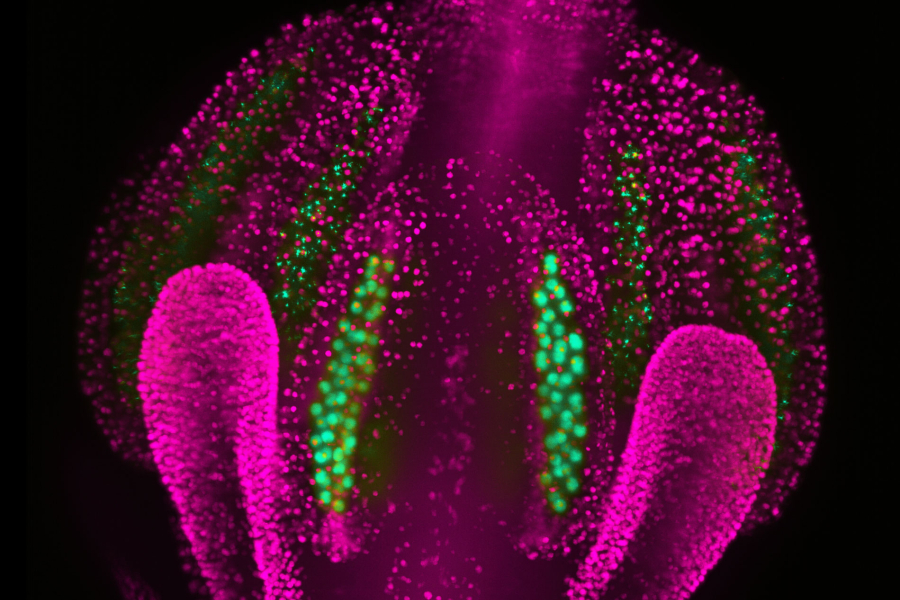
Our group has described a new mechanism by which the model plant Arabidopsis protects the ends of its chromosomes – its telomeres. This discovery has changed the way scientists think about how plants maintain the long-term functionality of their cells. We have also contributed new insights into how DNA is organized within plant cells and how plants regulate growth and cell division. Our work is published in leading scientific journals and is used by research teams worldwide working in plant molecular biology and genetics.
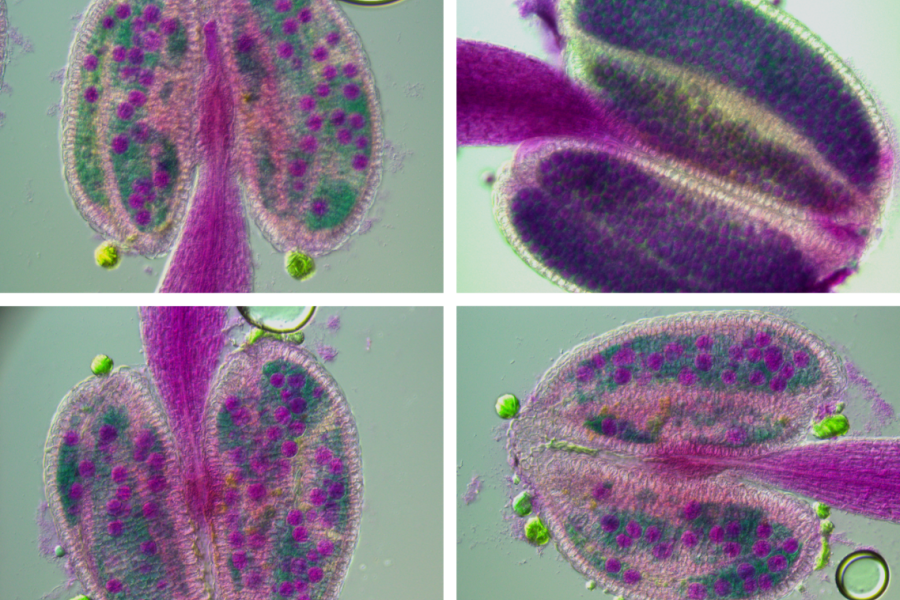
We are currently investigating how plants maintain a stable genome from early development through to adulthood. We study telomeres and how they change during growth, ageing, and exposure to stress. We also examine heterochromatin – regions of DNA that help determine which genes are active or inactive. Another major focus of our research is the regulation of the cell cycle and the accurate copying of DNA, both of which are essential for healthy plant development. Using genetic, molecular, and advanced imaging approaches, we aim to understand how plants cope with demanding conditions and how they achieve long-term longevity.