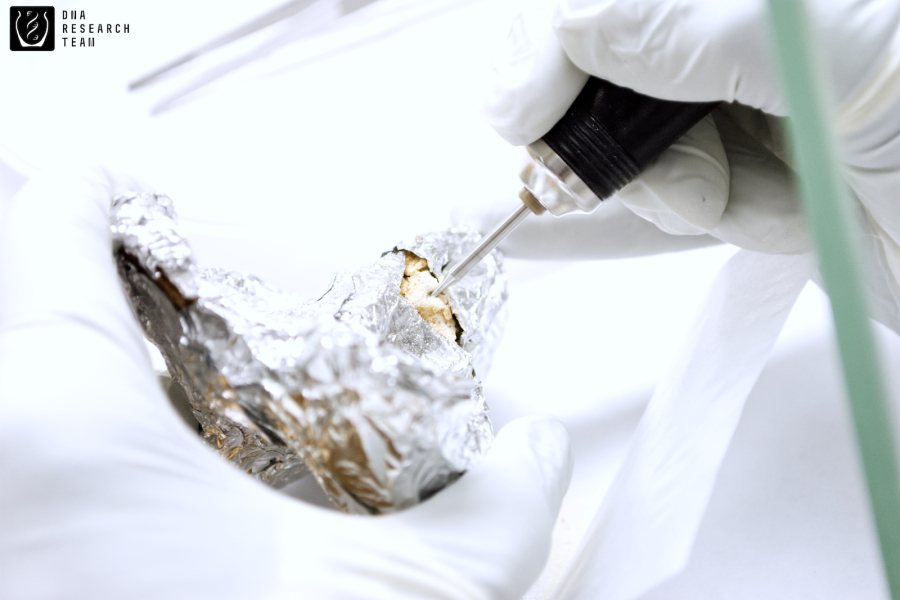
We are an interdisciplinary team investigating the genetic history and diversity of populations, primarily using archaeogenetic and palaeoproteomic methods. We uncover demographic changes and relationships between individuals and populations in prehistory and the more recent past. By combining genetic data with archaeological and historical evidence, we aim to build a more comprehensive picture of life in past societies.
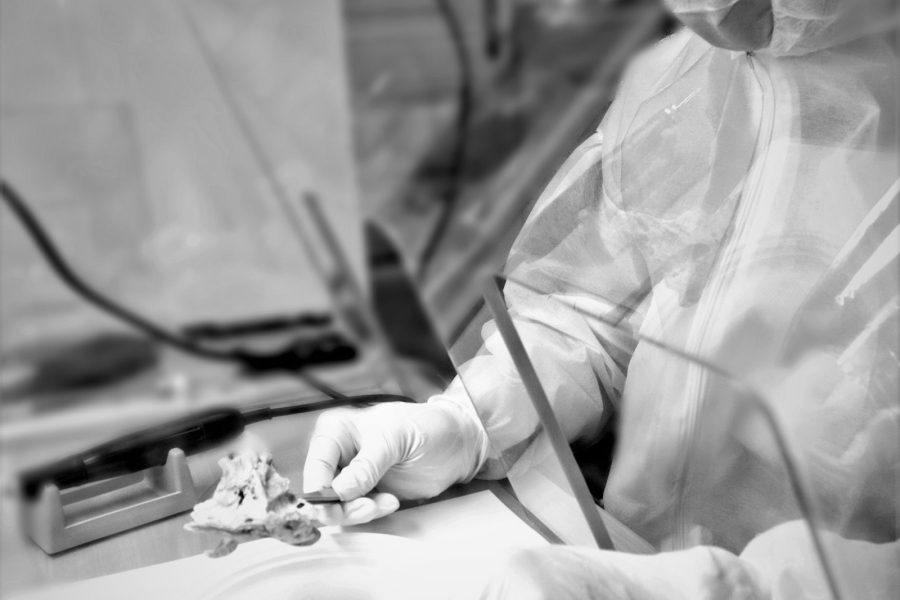
We provide new insights into how people migrated, mixed and changed genetically in the past. Our research helps us better understand human evolution, the emergence and persistence of genetic differences, and how populations adapted to different environmental conditions. By combining genetics, archaeology and history, we uncover the biological and social processes that shaped human populations and influenced their present-day diversity.
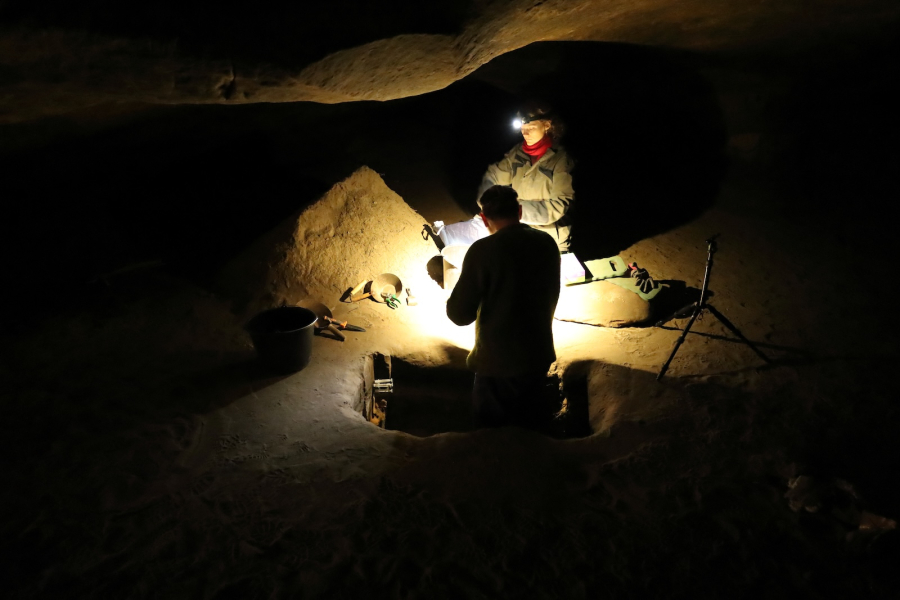
Our research shows that population movements and relationships between people in the past were often far more complex than traditional interpretations suggested. We have contributed to a better understanding of the origins and movements of the Huns, Avars and Slavs. By analysing biological relatedness among individuals from entire burial grounds, we have also gained new insights into the social organisation of past societies and reconstructed some of the largest pedigrees ever genetically established from skeletal remains.
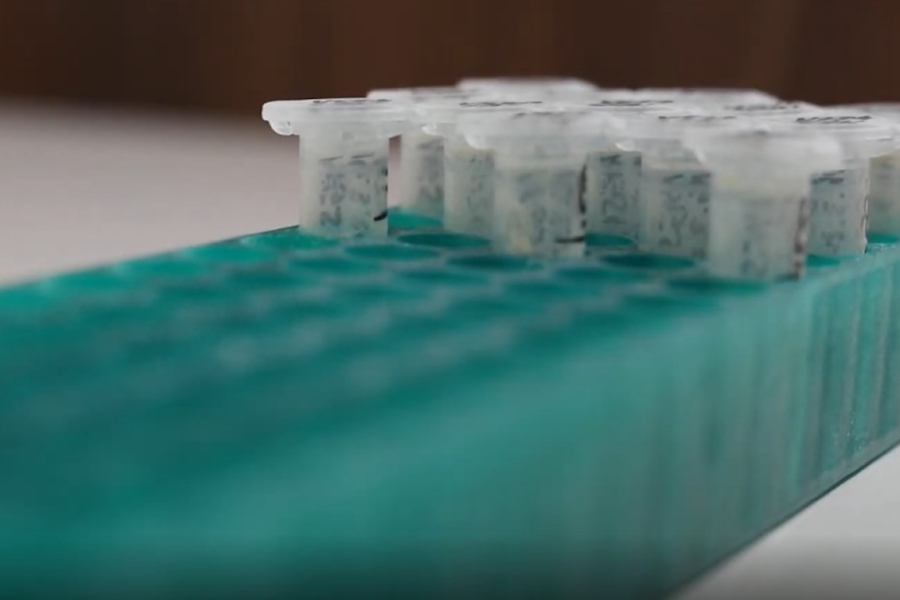
We study past human populations in the broader context of the societies and environments in which they lived. We are interested in biological relatedness and how it relates to the social organisation of past societies, as well as in relationships between humans and other species. We also investigate how populations responded to change and crises, including the impact of pathogens, infectious diseases and epidemics.