For a long time, it was a dogma in medicine that electric current is safe as long as the positive and negative charges are balanced. However, Glowacki's team discovered that even when this balance is achieved, chemical reactions occur that produce reactive forms of oxygen, particularly hydrogen peroxide. This can damage cells. Instead of being alarmed by this phenomenon, the scientists decided to exploit it. They optimized the electrodes so that they could generate hydrogen peroxide in a targeted manner. The result is the Faraday scalpel—a method that destroys specific nerve cells without damaging blood vessels or surrounding structures. This approach is particularly important for patients with epilepsy, where it is necessary to remove the cluster of neurons that cause seizures. Current procedures often involve "burning" part of the brain, which carries the risk of permanent consequences. The Faraday scalpel allows for a more gentle, selective intervention and thus a significantly higher quality of life for patients. However, its potential extends beyond the field of neurology. Cancer cells are much more sensitive to reactive oxygen species than healthy cells. Glowacki's team is therefore testing how to target tumor tissue—for example, in glioblastoma, one of the most malignant brain tumors. Thanks to collaboration with clinical and industrial partners, this technology is moving ever closer to practical application.
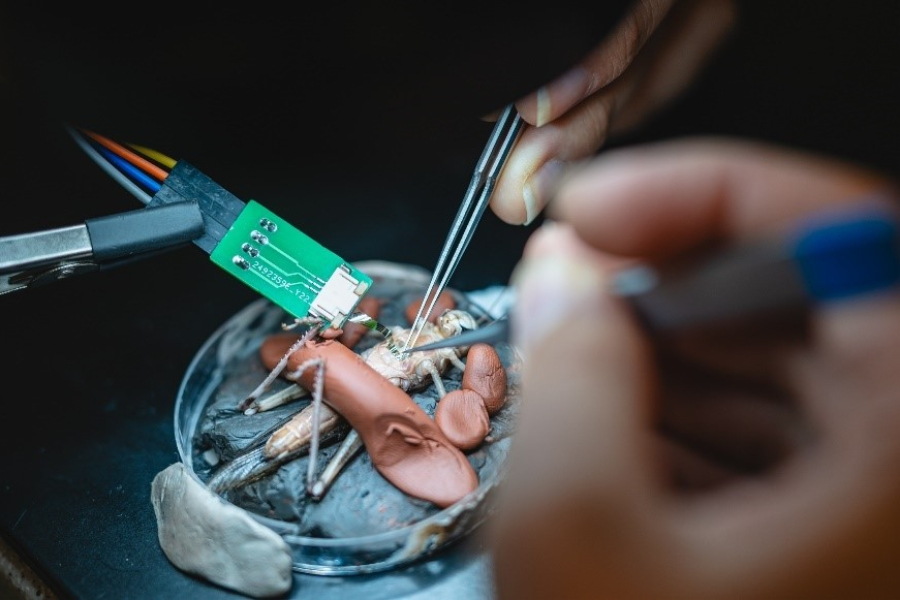
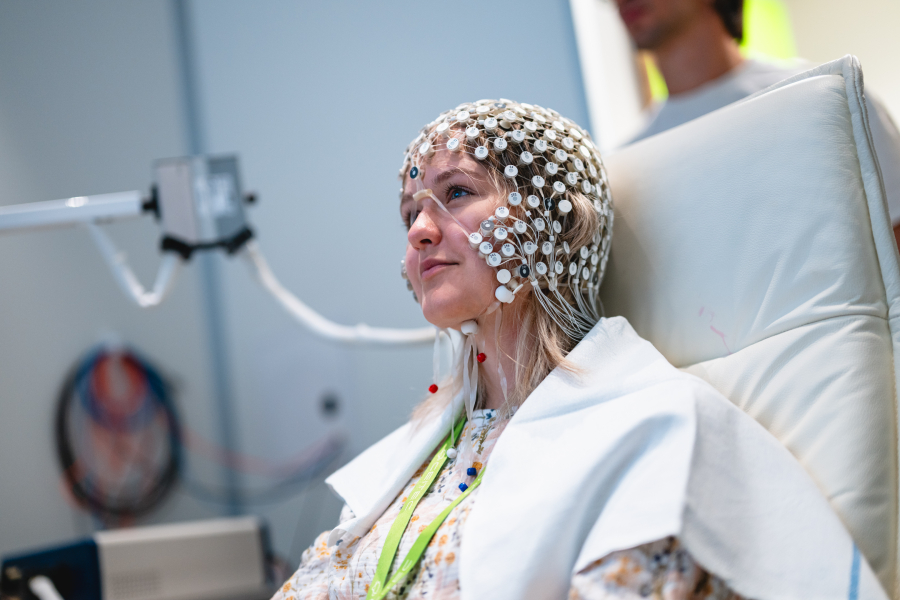
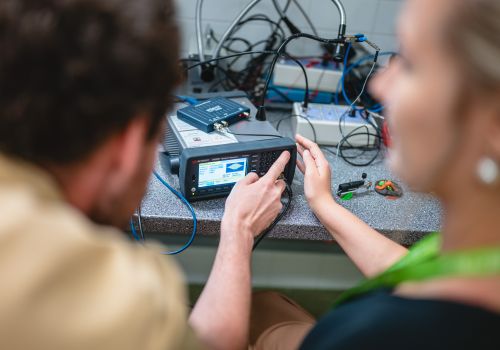
The Neural Engineering Summer School (NESS) is an international summer program focused on practical education in the fields of bioelectronics and neurotechnologies. The program is primarily intended for bachelor’s and master’s students in technical and natural science disciplines who are interested in the intersection of engineering and neuroscience. Participants work in laboratories and cleanroom environments on real experiments — ranging from the measurement of bioelectrical signals and neurostimulation to microfabrication and imaging methods. The courses are taught in English and create an international environment that encourages collaboration and the sharing of experience. NESS therefore connects research with hands-on training for a new generation of students in the field of neurotechnologies.
Electroporation utilizes short, intense pulsed electric fields (PEF) to transiently permeabilize cellular membranes,…
Supervisor


 Prof. Eric Daniel Glowacki, Ph.D.
![[brnoregion.com] At CEITEC BUT, Eric Glowacki is developing implantable devices powered by mobile phones](https://ceitec-web-prod.fra1.digitaloceanspaces.com/thumbs/71820-2024-ceitec-letniskola-neural-full-27-500x350-c8.jpeg)