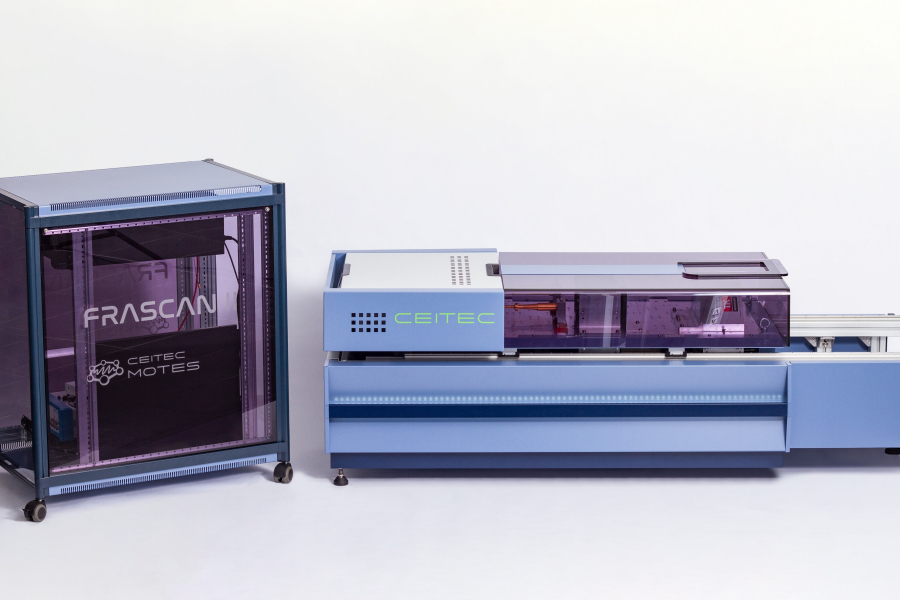
We work with electron spin resonance (ESR) and nuclear magnetic resonance (NMR), which we combine in our own experimental equipment. The development of hardware such as the FRASCAN system is based on specific research questions, such as the study of relaxation processes, for which commercially available systems are not suitable in terms of parameters or cost. Nevertheless, their knowledge is crucial not only for hospital scanners – without their knowledge, brain imaging would not exist at all
The first key step in this direction was the development of the FRASCAN I spectrometer, which is unique in the world, mainly due to its ability to measure an exceptionally wide frequency range within a single device. While most electron spin resonance (ESR) spectrometers operate at only one fixed frequency, FRASCAN I allows for continuous frequency changes without the need for major modifications to the experimental setup. This approach makes it possible to study a specific sample under different experimental conditions within a single device, which is crucial in many cases because it allows direct comparison of the sample's behavior between individual measurements. Some physical phenomena only manifest themselves at a very specific operating frequency, and the ability to set this frequency precisely is essential. The FRASCAN I device covers a wide frequency range from approximately 100 to 500 gigahertz, which would otherwise require several separate instruments with their own superconducting magnets. This would mean significantly higher demands on space, time, and financial resources for their acquisition and operation. In addition, this configuration allows measurements to be taken, including work at cryogenic temperatures approaching absolute zero (0 Kelvin), in a single day
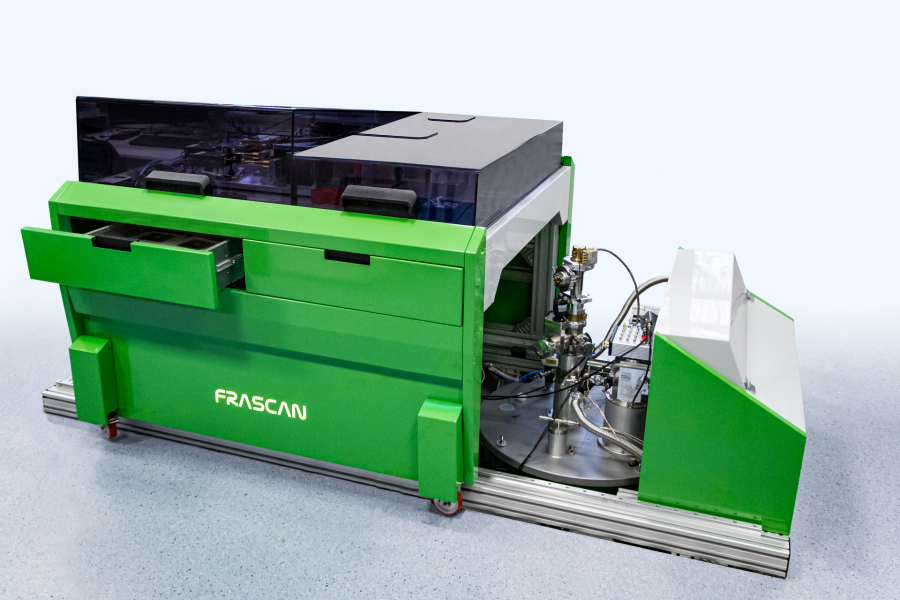
The latest development is the FRASCAN II spectrometer. Although it is optimized for only one specific operating frequency compared to FRASCAN I, its main contribution lies in combining electron spin resonance (ESR) and nuclear magnetic resonance (NMR) in a single device, which allows experiments based on dynamic nuclear polarization (DNP) to be performed at laboratory temperature. There are only a very limited number of such devices in the world, each of which is unique and specializes in solving a specific problem. Compared to other DNP spectrometers, FRASCAN II offers the possibility of measuring relatively large sample volumes and, thanks to the precise control of the microwave source, high efficiency of use.