

 Share
Share
22. Sept. 2026
Surgery in which doctors use metal plates or screws to stabilize larger bone fragments, while smaller ones are often removed immediately. This is how comminuted fractures are currently treated. Thanks to researchers at CEITEC Brno University of Technology (BUT), however, treatment could soon become much more effective. They are testing a fully absorbable adhesive that allows individual bone fragments to be glued back into place. This should speed up treatment and help preserve the bone’s full functionality.
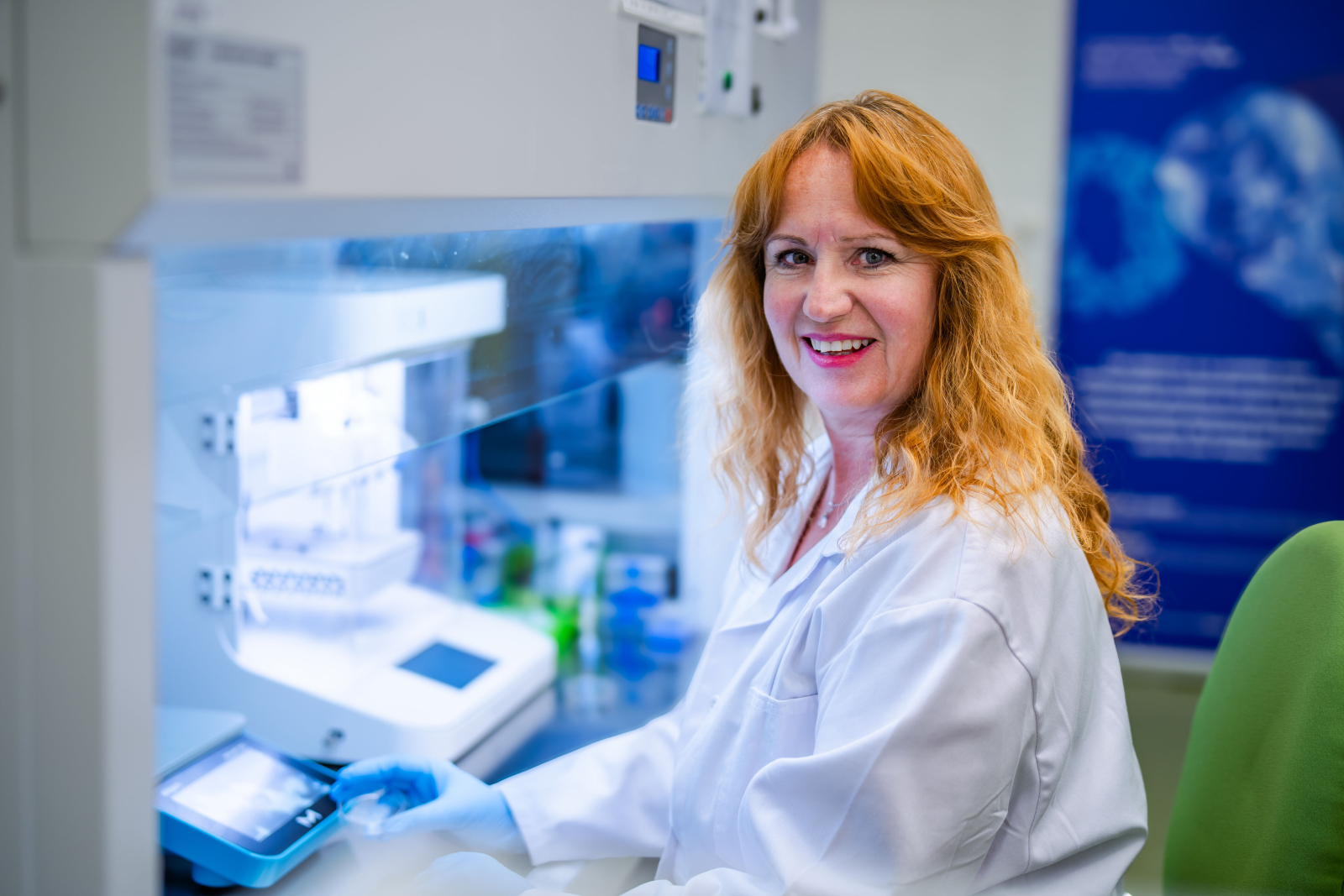
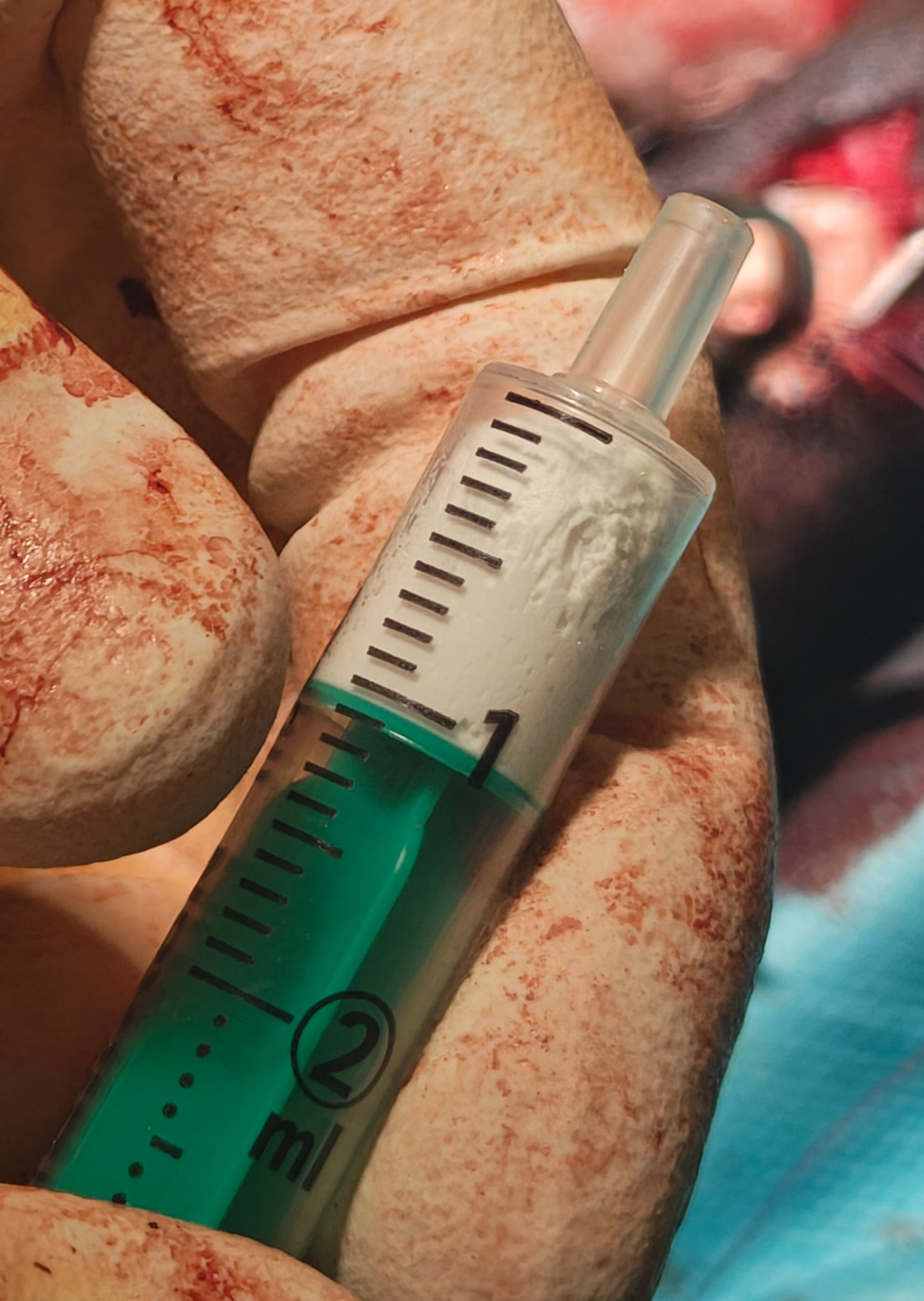
The adhesive has two components. The first is a sticky gel; the second is a bioceramic powder. When mixed, they form a substance that not only bonds the bones together but is also porous. “This makes it very similar to real bone. Nutrients and blood—and thus also stem cells that are normally found in the patient’s body, such as in the bone marrow—can pass through it. These stem cells will gradually grow over our adhesive and transform it into bone,” explains Lucy Vojtová, head of the Advanced Biomaterials research group at CEITEC BUT, describing the principle behind the new product.
The adhesive is thus absorbed within a few weeks and breaks down into substances that occur naturally in the body. In addition, it gradually releases calcium and phosphorus, which support the transformation into bone.
Doctors can also add antibacterial and healing agents to the adhesive to speed up the treatment of fractures.
Unique Adhesive Inspired by Seashells
The material’s absorbability, safety for human health, and ability to bond individual bone fragments together make this invention by scientists at CEITEC BUT a truly revolutionary discovery. “I am not aware of any product that has properties similar to those of our adhesive. That’s why we’re currently in the process of patenting it,” notes Lucy Vojtová, who has been researching absorbable bone adhesive for twenty years.
In their search for the optimal composition, the scientists drew inspiration from mussels. “They can attach themselves to rocks even in a damp environment. And we needed the adhesive to not dissolve or wash away upon contact with blood, for example,” explains Lenka Michlovská of CEITEC BUT, who is leading the project.
The researchers therefore studied the chemical composition of the proteins that mussels secrete when they want to attach themselves to the seabed. Their adhesive is now based on a similar mechanism.
Testing Costing Hundreds of Millions of Czech Crowns
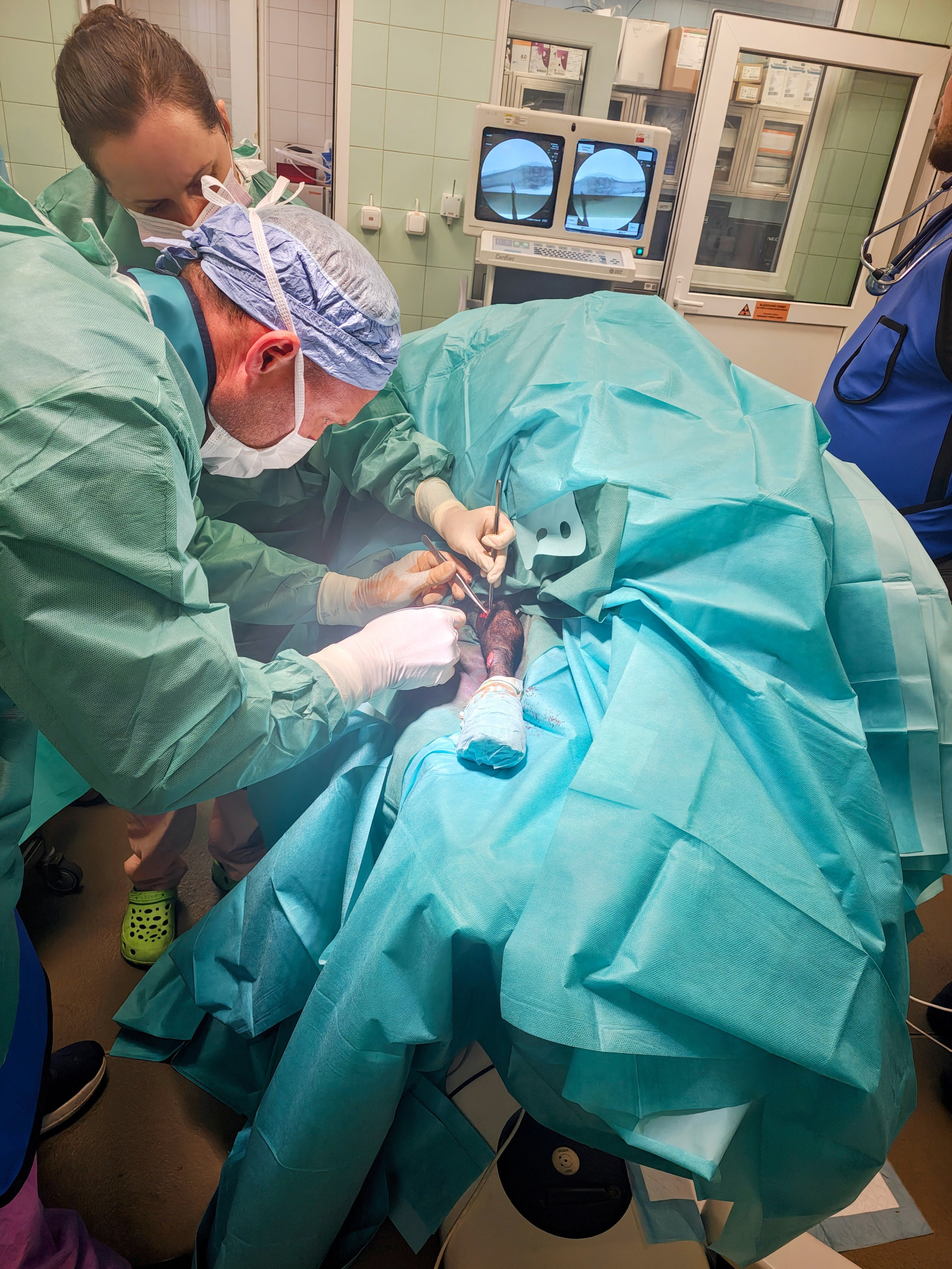
Another major advantage of the adhesive is that it can be applied via injection. This allows doctors to apply it evenly. Furthermore, it offers the possibility of bonding small fragments under X-ray guidance, without the need for extensive surgical intervention.
Using the adhesive, doctors can also secure tiny fragments that are often removed during conventional surgeries. These fragments are usually too small to be screwed together, and it is necessary to prevent them from moving within the body and restricting, for example, joint mobility.
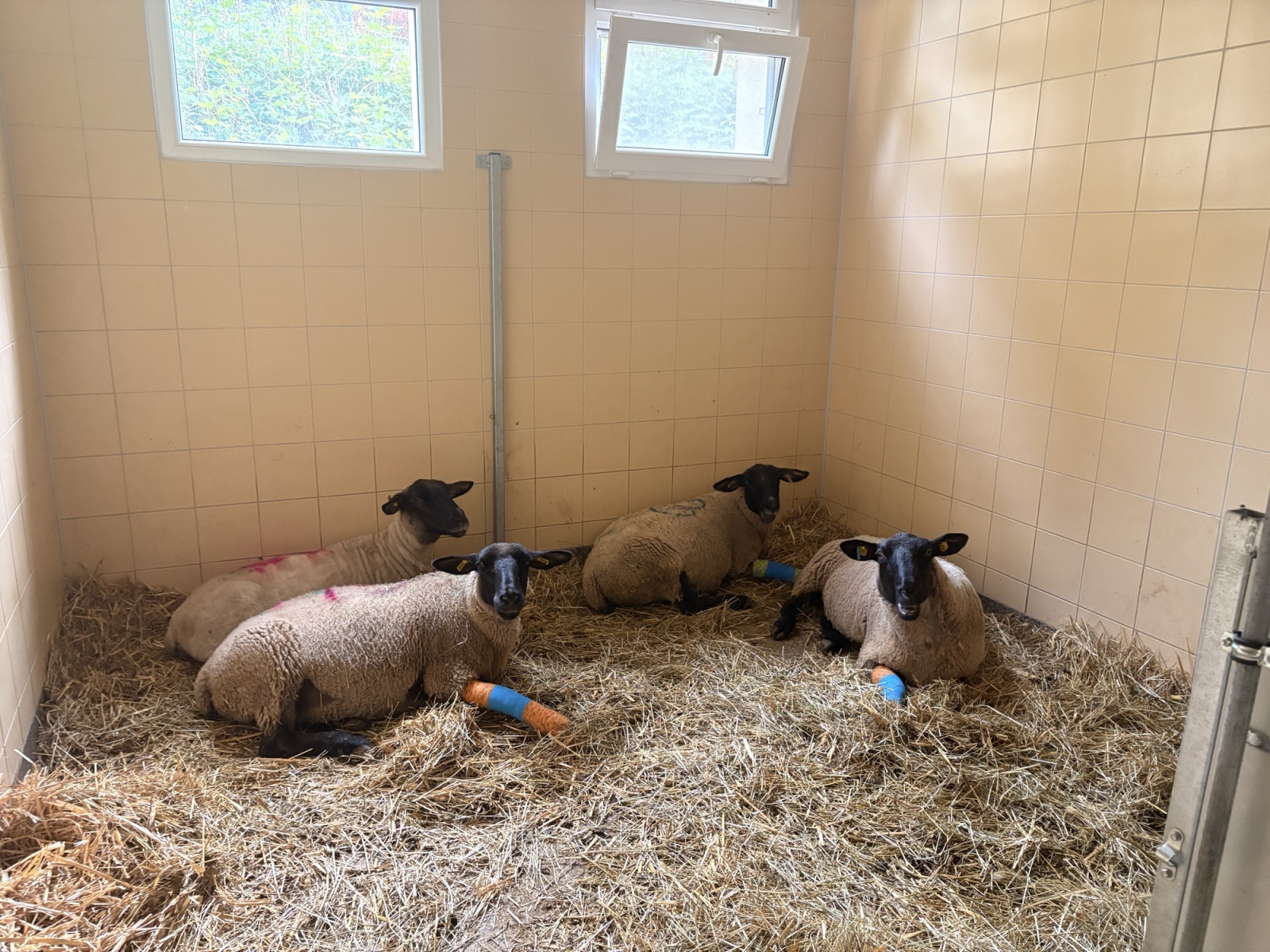
The adhesive has already undergone a series of tests, and preclinical testing on sheep models is currently underway. Doctors from Brno University Hospital, who are in charge of surgeries under the leadership of Milan Krtička, are also involved, as are researchers from the Veterinary Research Institute in Brno, where the testing is taking place, and experts from the Czech Technical University in Prague, who are measuring the biomechanical properties of the fused bones.
Once this phase is complete, clinical trials can begin. “The problem is that the tests cost tens or even hundreds of millions of crowns. We are therefore looking for a manufacturer who would be interested in our adhesive and help fund the testing. Thanks to its unique composition and wide range of applications, it offers enormous potential,” adds Lucy Vojtová.
Author: Jan Němec
Photogallery
Expert
