 Share
About Event
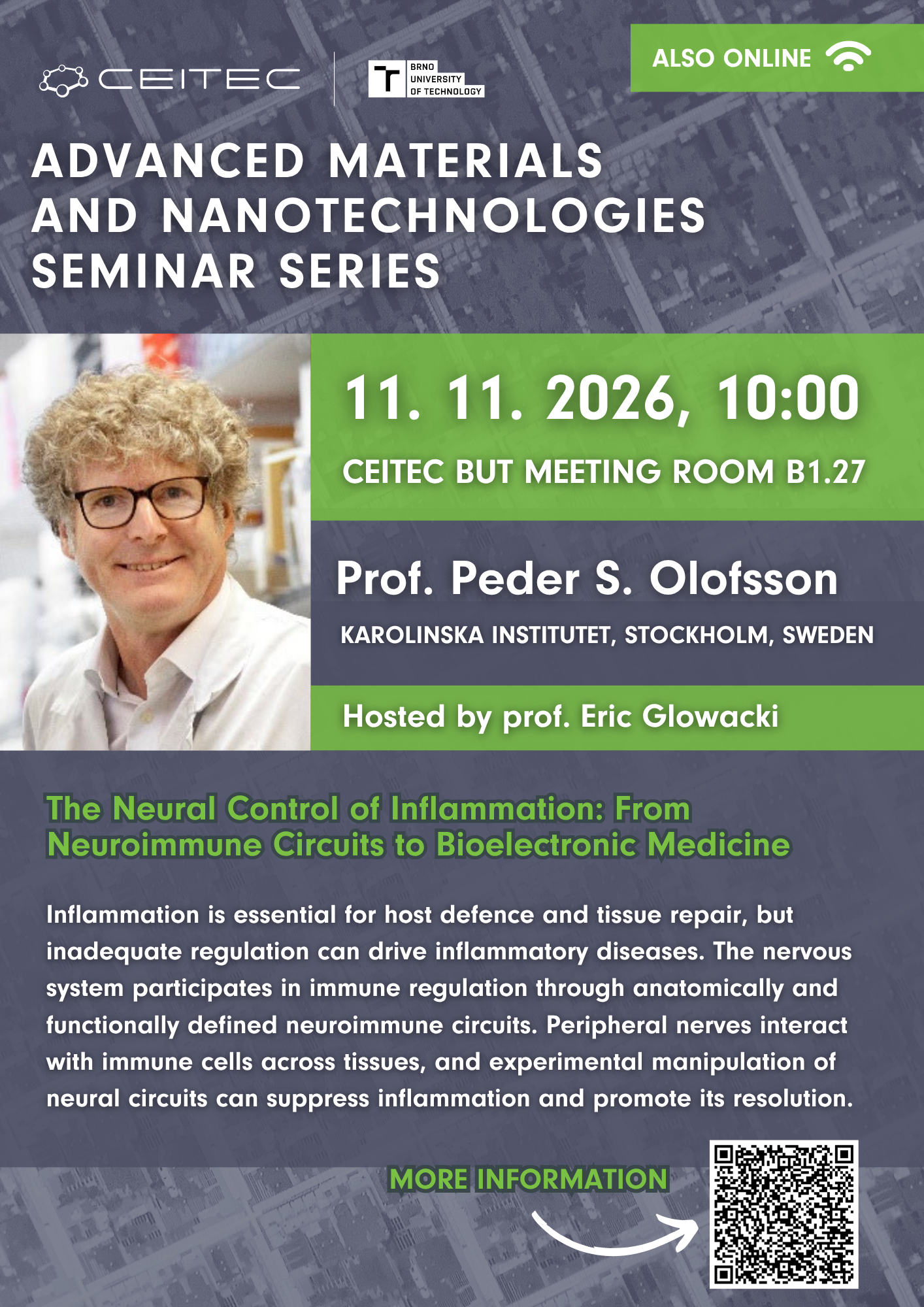
Inflammation is essential for host defence and tissue repair, but inadequate regulation can drive inflammatory diseases. The nervous system participates in immune regulation through anatomically and functionally defined neuroimmune circuits. Peripheral nerves interact with immune cells across tissues, and experimental manipulation of neural circuits can suppress inflammation and promote its resolution. Studies of the inflammatory reflex and the vagus nerve illustrate how defined neural pathways can regulate inflammatory responses, and clinical studies support the therapeutic potential of neuromodulation in inflammatory disease. Emerging observations further reveal sensory and autonomic neural interfaces within peripheral tissues, highlighting the diversity of mechanisms through which neural signals may influence local inflammation. Together, these findings support the concept of a distributed neural network for sensing and controlling inflammation and provide a foundation for bioelectronic approaches designed to engage endogenous regulatory mechanisms therapeutically.