

 Share
Share
18. Sept. 2026
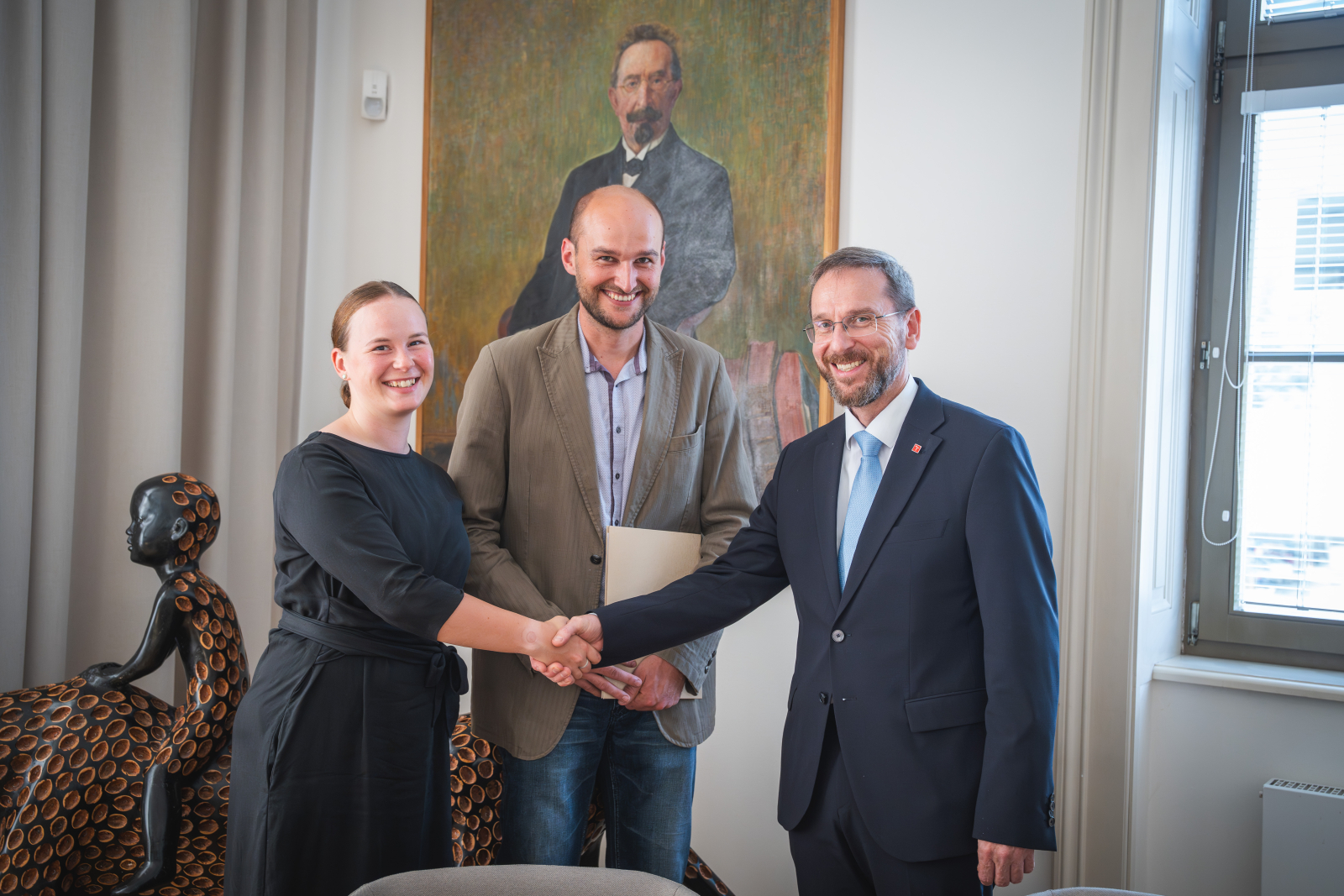
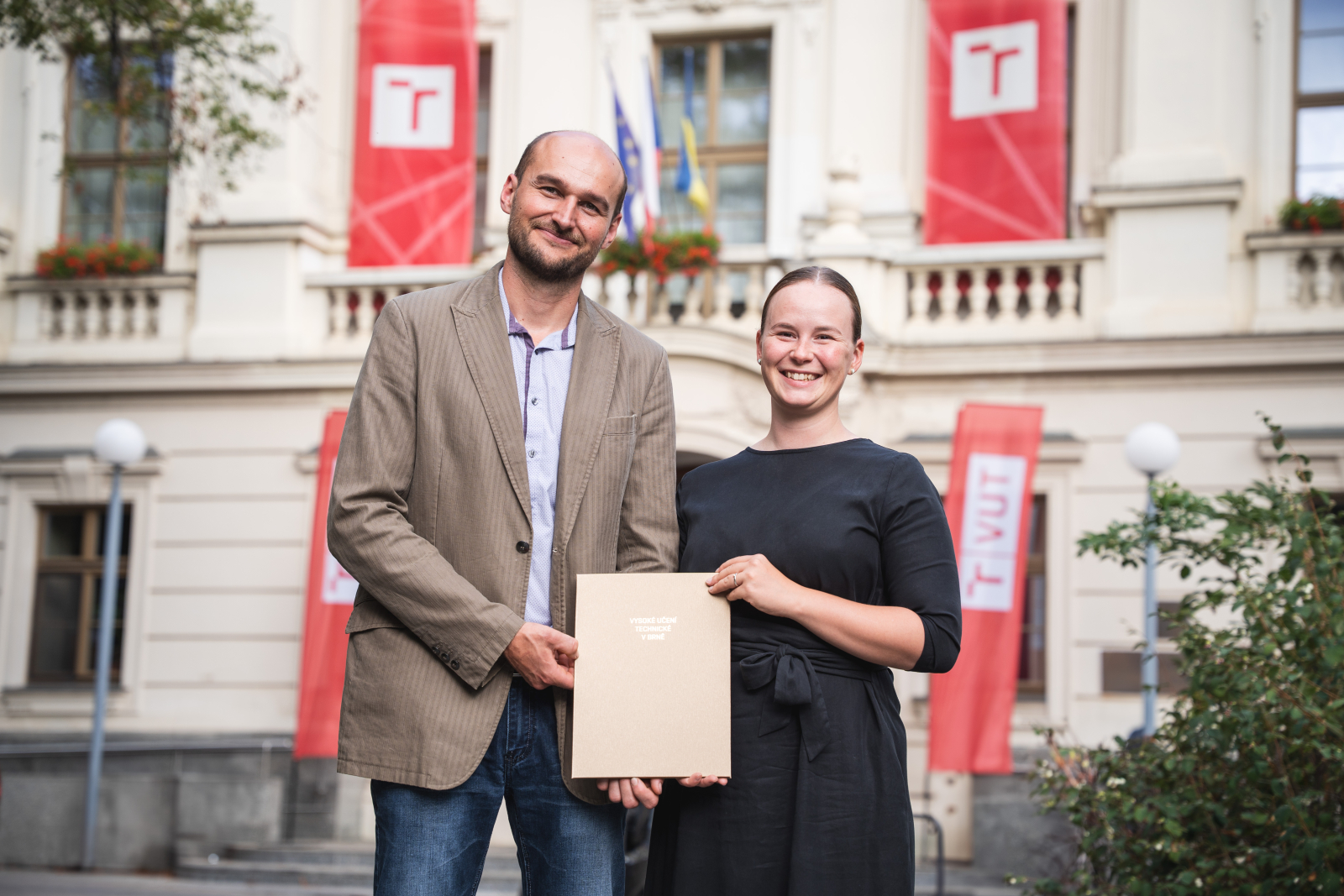
Another technology developed through research at CEITEC BUT is heading into practice. On 17 September, BUT Rector Ladislav Janíček and Ceraprint s.r.o. signed the BUT Spin-off Agreement, confirming the successful technology transfer. The company grew out of the 4Slurries research project and now supplies both special suspensions for ceramic 3D printing and custom-printed components.
The signing of the agreement will allow Ceraprint to use the status of a BUT Spin-off. The university grants this status to companies that transfer research results into practice. The status also includes a commitment from BUT to continue supporting the company’s development. Over the next two to two and a half years, the company therefore plans to expand its customer portfolio, focus on further brand development and ultimately become fully independent.
“The establishment of the Ceraprint spin-off is a significant milestone not only for CEITEC but for the whole of BUT. It is an excellent showcase for the university because it demonstrates that technology transfer works here. Technology spin-offs are still relatively uncommon in the Czech environment, and promising companies of this kind therefore help to increase the prestige and competitiveness of the Czech Republic,” says Blahomír Skoupý, European Projects Manager at CEITEC BUT.
The South Moravian Innovation Centre (JIC) and the European GlaCerHub project also played a significant role in the establishment of the spin-off. The project is funded by the Horizon Europe programme and focuses, among other things, on supporting the transfer of know-how and overcoming barriers between research and its practical application.
Ceraprint builds on the 4Slurries project, which underwent a two-year internal incubation after winning the CEITEC Technology Transfer Competition. The team originally developed photosensitive suspensions made from less commonly used ceramic materials for DLP (digital light processing) 3D printing. Over time, it developed the know-how required to prepare functional suspensions tailored to the requirements of specific applications.
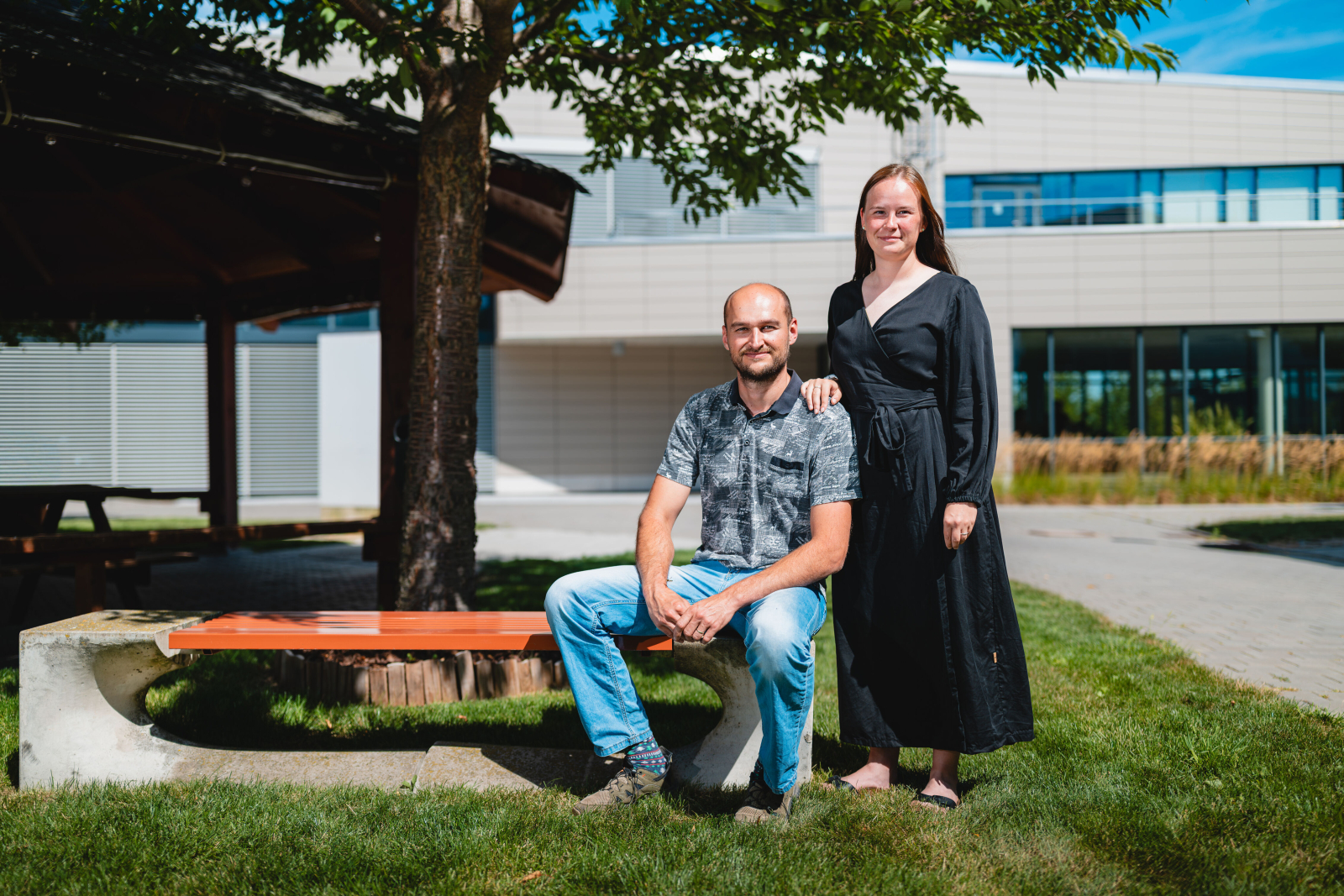
“We changed the name to Ceraprint when we expanded our offering to include custom printing services, including heat treatment. Many institutions and companies do not have their own ceramic 3D-printing technology, so suspensions alone do not meet their needs,” explain co-founders Přemysl Šťastný and Eliška Šiška Virágová. The company now supports the entire ceramic additive manufacturing process, and according to them, the new name better reflects the company’s broader scope.
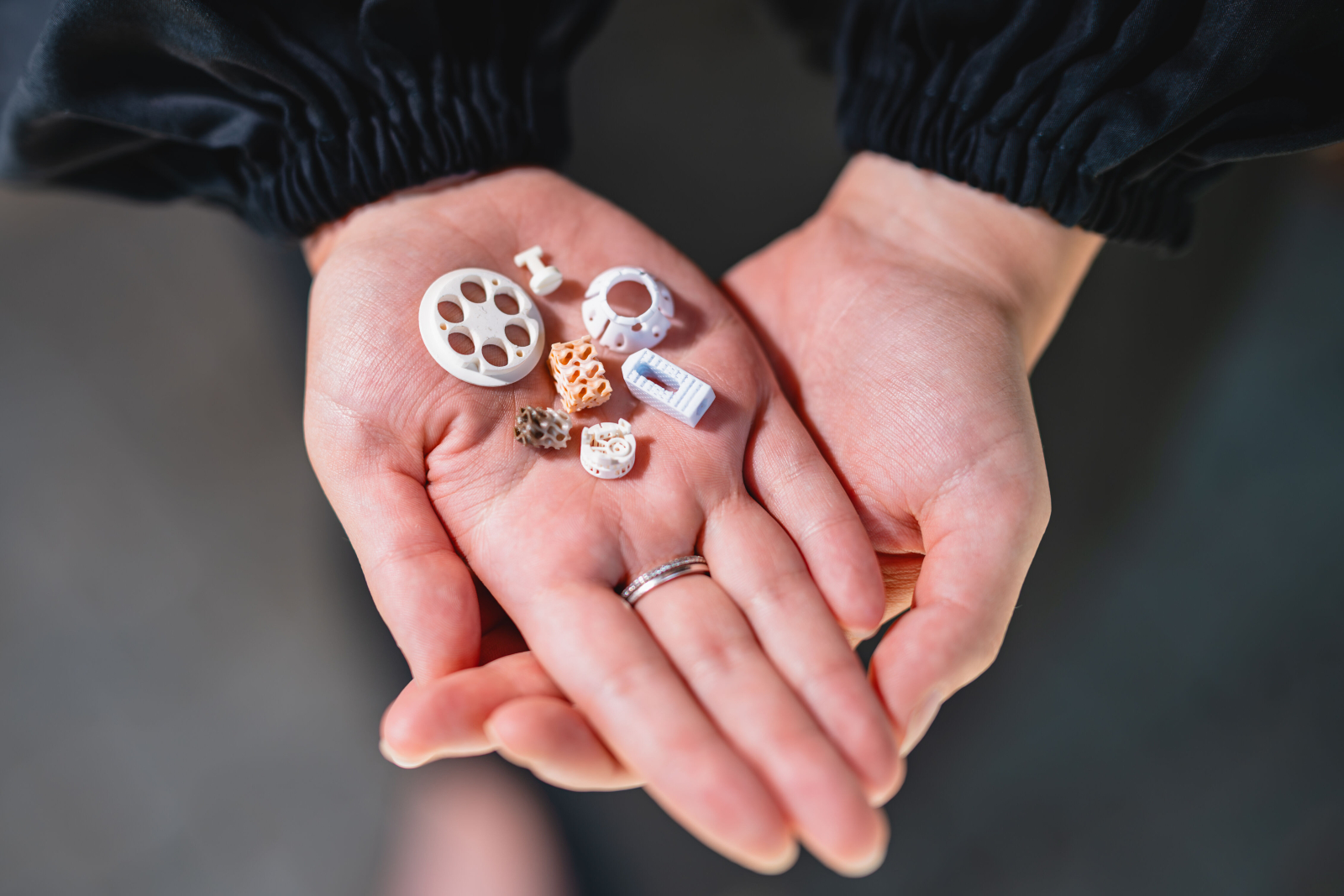
Ceraprint currently offers its services to both academic and industrial customers. It supplies the scientific sector with ready-made suspensions, including detailed printing manuals, as well as polymer mixtures themselves or printed ceramic components for laboratory research.
In industry, it focuses primarily on high-value-added technology companies, for which it prints prototypes or small batches comprising just a few units. These include, for example, insulators and vacuum components for electron microscopes or printed parts for companies in the aerospace sector.
Author: Kristina Blűmelová
Photogallery
Expert
