

 Share
Share
9. Oct. 2026
Light and urea. These are two "basic ingredients" that can be enough for effective and gentle water purification. This has been proven by new research conducted by scientists from CEITEC Brno University of Technology (BUT). Although this is only basic research and scientists will continue to build on it, its results can already be used in practice.
Urea is an organic substance that is commonly found in nature. Thanks to this, it is widely available.
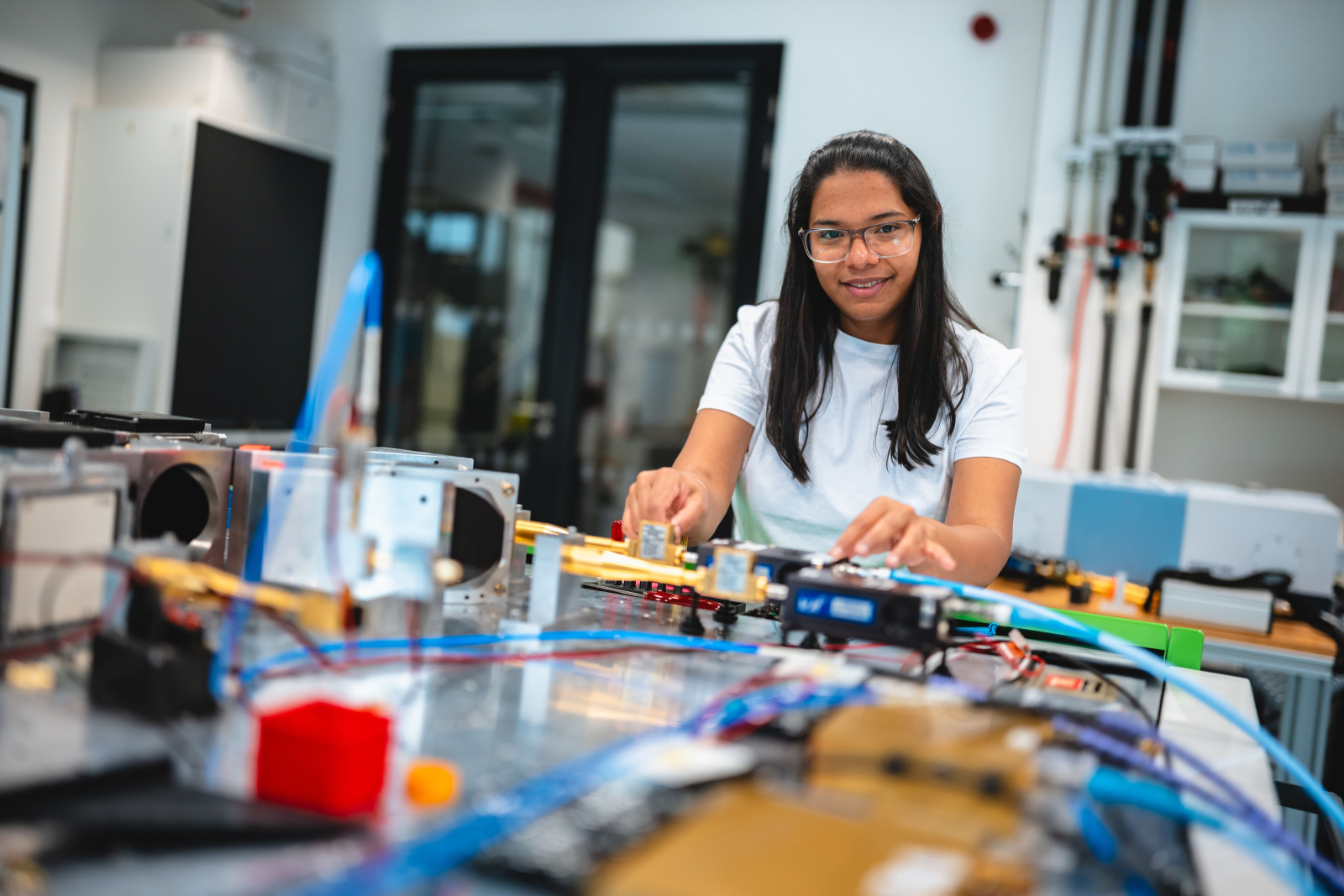
The key is its modification, in which scientists obtain a special compound of carbon and nitrogen from it. This can then be used for photocatalysis. "Our compound therefore serves as a catalyst that is activated by incident light. Thanks to this, substances that eliminate impurities present in water begin to be released," says Daina Arenas Buelvas from the Quantum Molecular Magnetism team at CEITEC BUT, who led the research.
This represents a significant shift compared to current methods. Filters that capture impurities are now used to purify water. These filters then need to be removed and the captured substances disposed of. The carbon and nitrogen compound formed from urea, when hit by the light, both captures and decomposes pollutants. In laboratory tests this is done with an efficiency of up to 97%.
A unique method that freezes particles
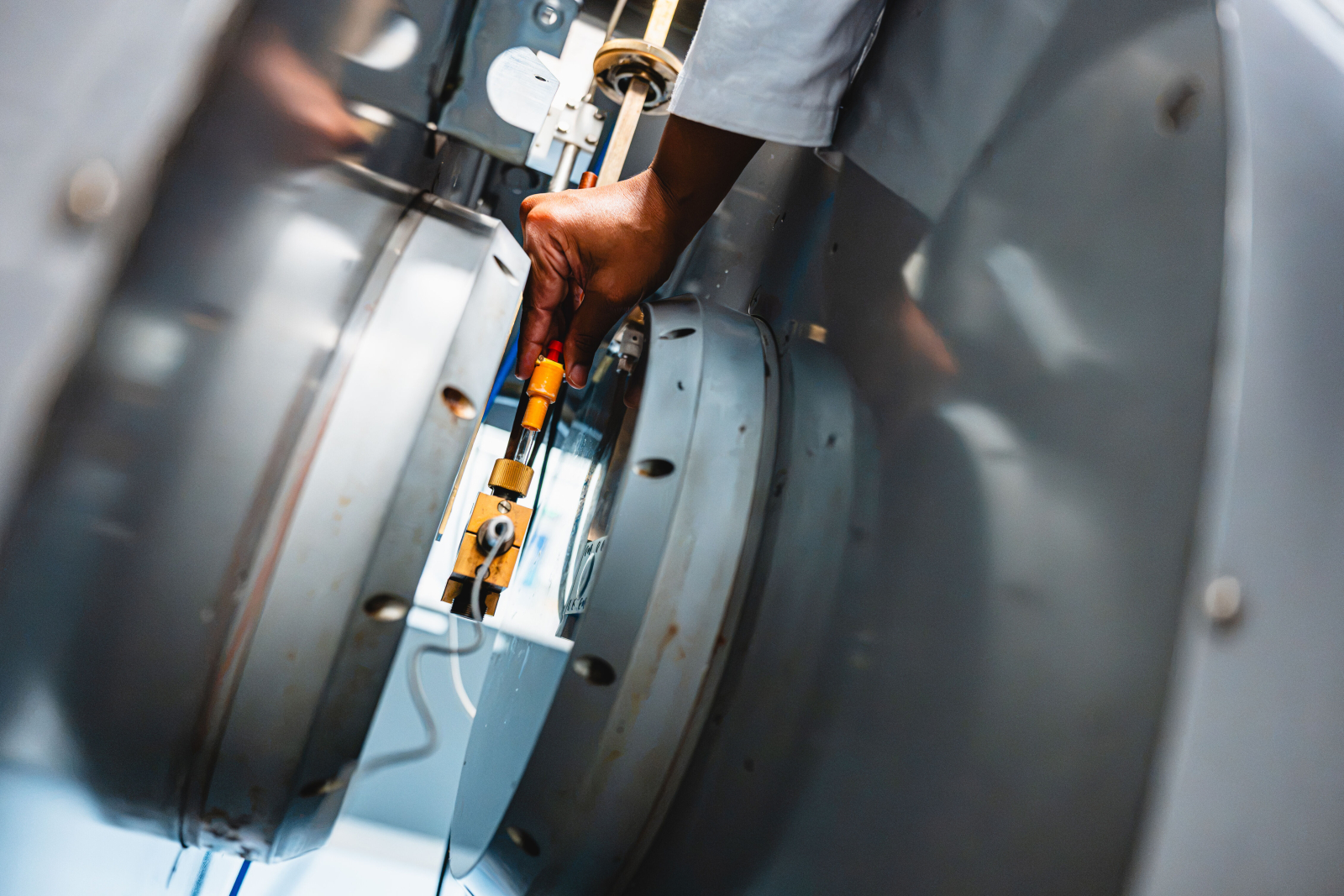
The research is also unique thanks to the technology used. The scientists used EPR spectroscopy, which can capture free radicals whose lifetime is only a few nanoseconds and “freezes” them, giving scientists the space to examine them.
“This allowed us to describe the entire reaction that took place in the material. We thus obtained information that we and other scientists can use in follow-up research,” points out Daina Arenas Buelvas.
| Researchers use a technique called spin trapping to confirm that the material produces reactive oxygen species that break down impurities. Since these molecules are too short-lived to be detected directly, a special 'trap' molecule is added to convert them into a stable, measurable compound, definitively proving that the material generates the active cleaning agents. |
The results of the research were published in the prestigious scientific magazine Sustainable Materials and Technologies. In addition to the Quantum Molecular Magnetism team of Vinicius Tadeu Santana from CEITEC BUT, the Brazilian scientific teams of Felipe La Porta from the University of Paraná and Débora Quadreli from the University of Londrina, and the team of Christian M. M. Rocha from the University of Barranquilla, Colombia, also participated in it.
They will test the use against microplastics
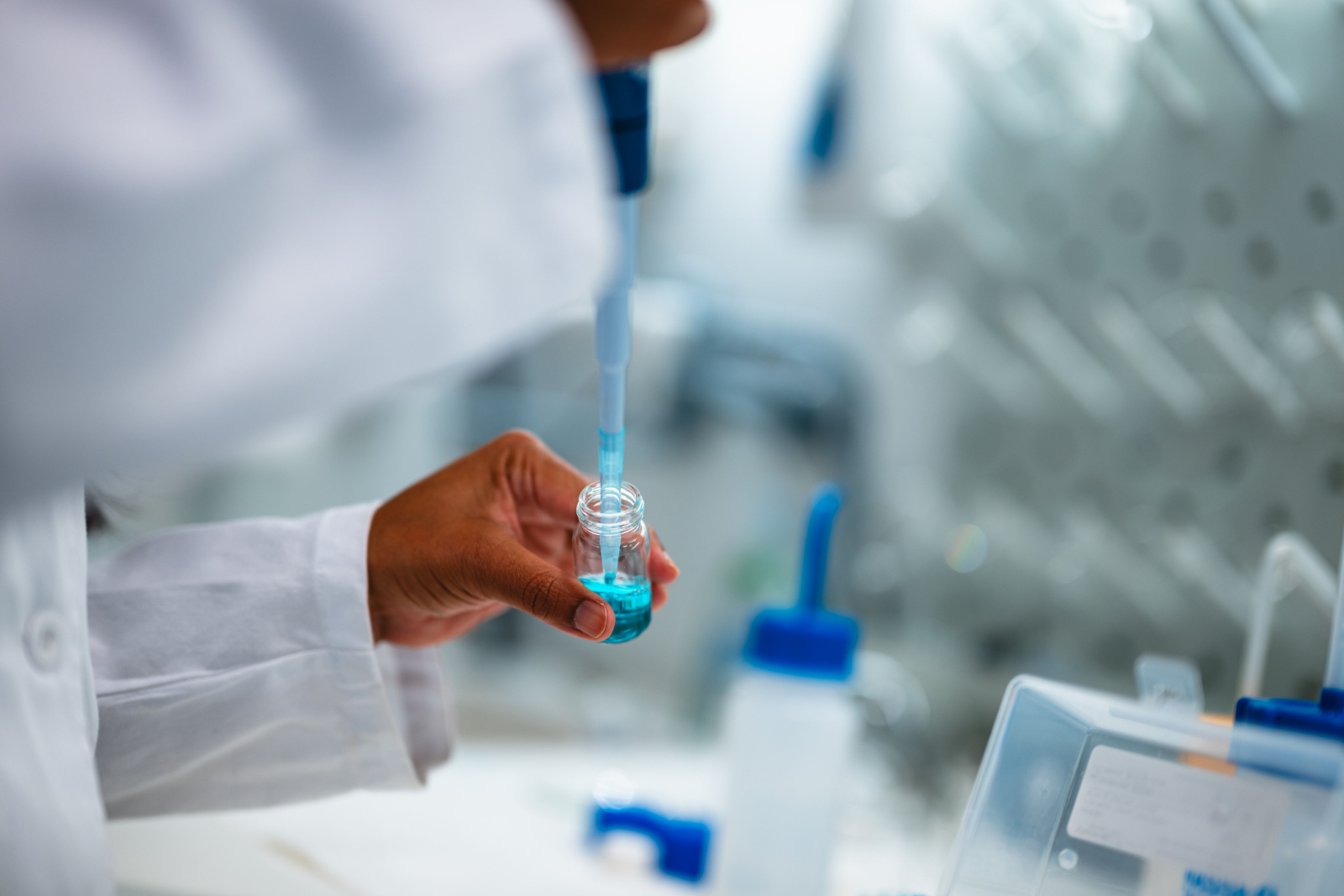
The scientists verified the effectiveness of graphitic carbon nitride, which is the name of the used carbon and nitrogen compound, in water contaminated with methylene blue. Thanks to the photocatalytic reaction, the compound removed 97.2% of the impurities.
The wide availability of urea and the easy treatment required to obtain the key compound allow for rapid implementation in practice. At the same time, other scientific works can follow up on this research.
Daina Arenas Buelvas also plans to do the same. "I want to find out whether it is possible to use photocatalysis in graphitic carbon nitride to remove microplastics. But we are only at the beginning," adds the scientist, who came to the Czech Republic from Colombia.
Author: Jan Němec
Photogallery
Expert
