

 Share
Share
16. June 2026
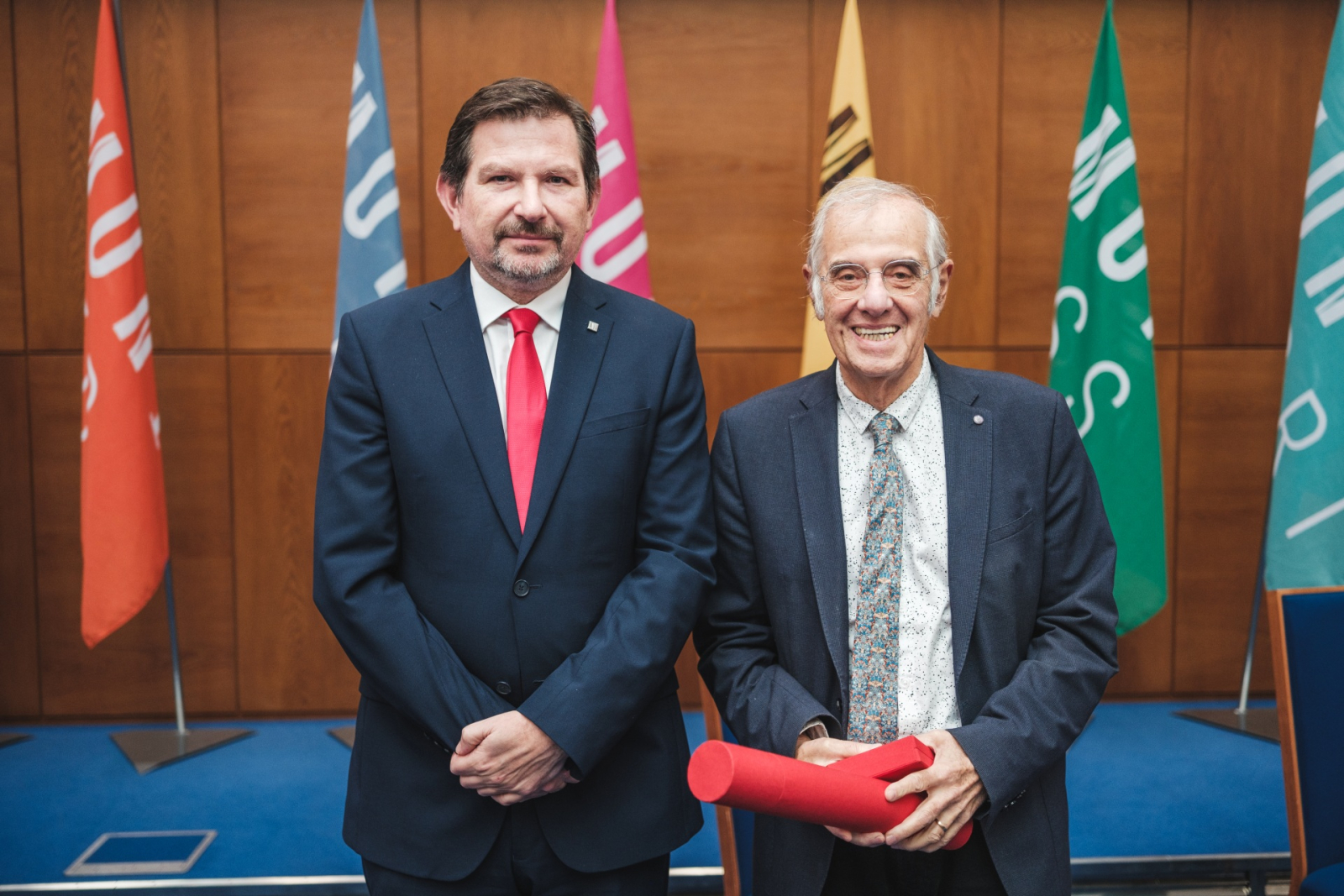
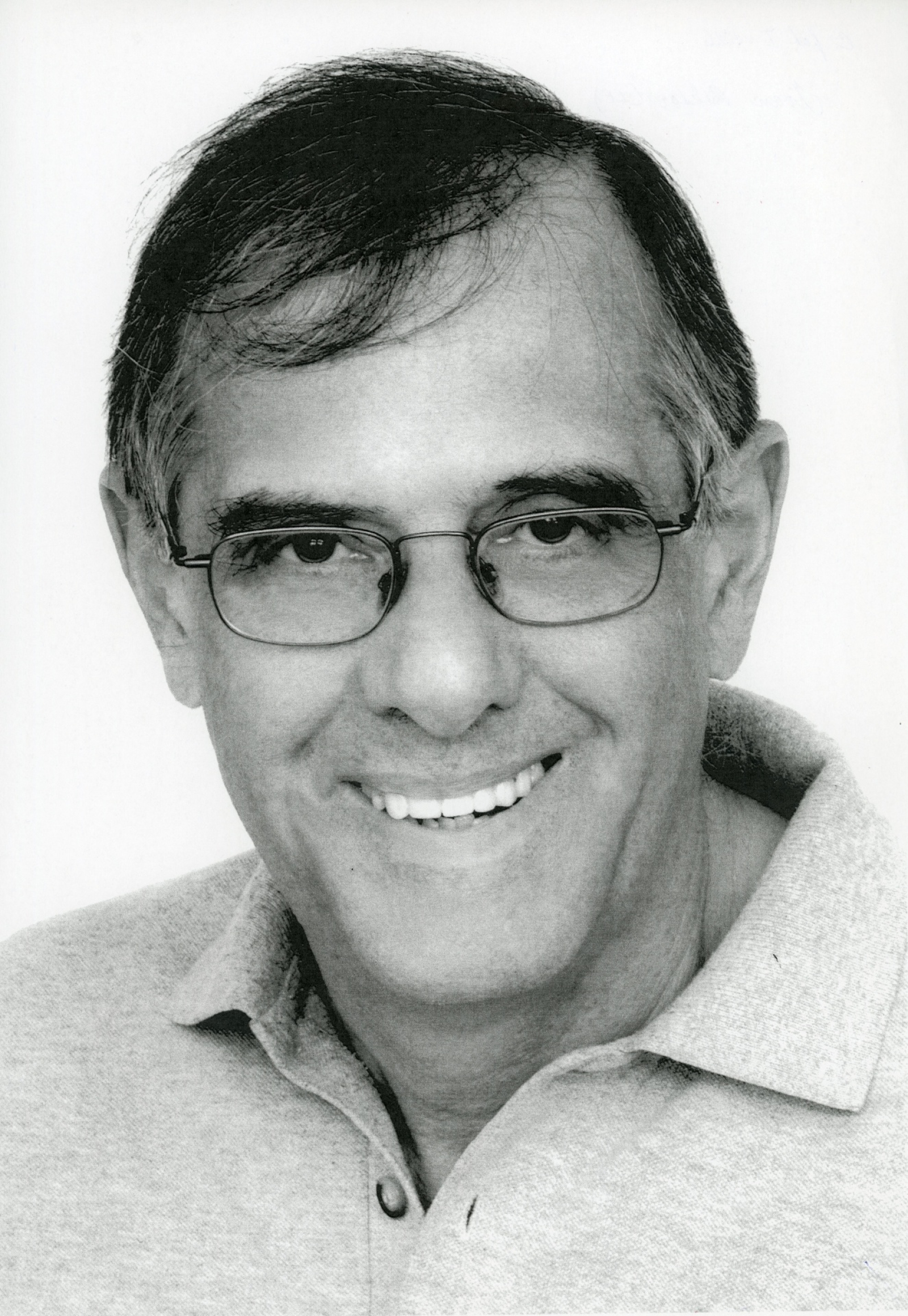
It is with deep sadness that we received the news of the passing of Professor Ivan Rektor, one of the most distinguished neurologists and neuroscientists of his generation, a long-standing member of the Masaryk University academic community, and a prominent figure at CEITEC. Alongside his scientific work, he also helped shape the institutions to which he dedicated much of his career. He served as Vice-Rector of Masaryk University and led the Neurosciences Programme at CEITEC Masaryk University.
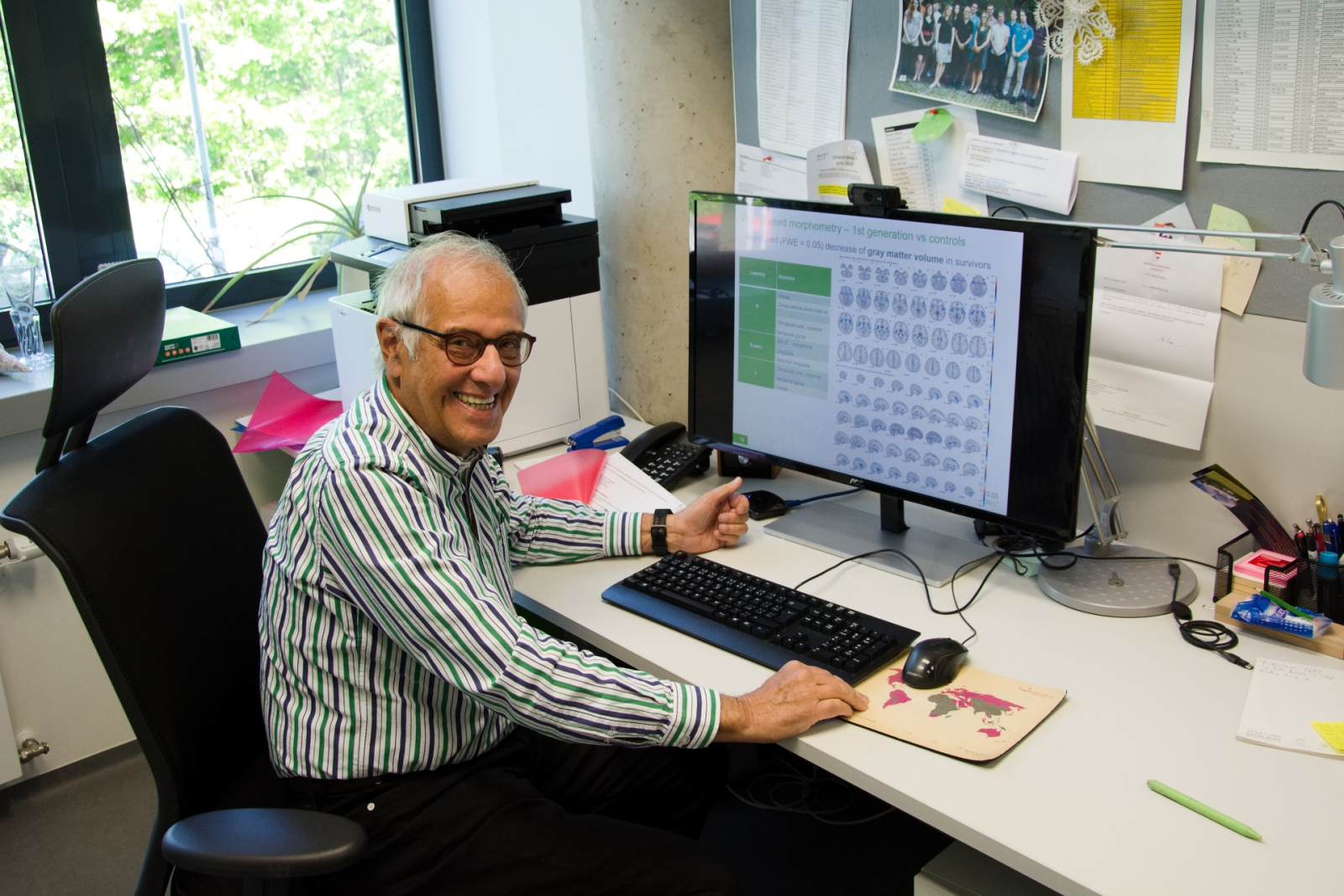
Ivan Rektor’s professional life was devoted to the study of the human brain. He was one of the pioneers of modern neurology in the Czech Republic, making significant contributions to our understanding of epilepsy, Parkinson’s disease, and other neurological disorders. At CEITEC Masaryk University, he built an internationally respected neuroscience research centre. Generations of students, physicians, and scientists knew him as an outstanding expert, mentor, and a man of unrelenting curiosity.
Behind his scientific achievements, however, stood a powerful personal story.
He was born into a family deeply affected by the Second World War. His parents were partisans during the Slovak National Uprising, and part of his father’s family perished in the Holocaust. These experiences later found their way into his scientific interests, leading him to conduct unique research on Holocaust survivors and their descendants. He sought to understand how profound trauma affects the human brain and whether its effects can persist across generations. For him, this was more than a scientific question. He was deeply interested in how people overcome extraordinarily difficult life experiences and how such events become embedded in the human mind. Through his research, he repeatedly reminded us that behind scientific data lie real human lives and stories. At the same time, he was keenly aware that the generation of direct witnesses to the war is gradually disappearing. “If we want to investigate the transgenerational transmission of trauma in people who experienced the Holocaust, we currently have our last opportunity to do so,” he warned.
“Professor Ivan Rektor dedicated his life to understanding the human brain. At the same time, he never lost sight of the person behind every neurological finding and every scientific observation. His work demonstrated that the past does not remain confined to history books but can leave its imprint on people’s lives for decades. His ability to combine world-class science with a profound interest in human beings remains one of the most remarkable legacies he leaves behind,” says Pavel Plevka, Director of CEITEC Masaryk University, whose establishment Ivan Rektor helped bring about and where he worked for many years.
He was never afraid to explore unconventional research questions. His study of the so-called Mozart effect in patients with epilepsy attracted international attention. Together with his team, he demonstrated that listening to Mozart’s Sonata for Two Pianos in D Major, K448 could significantly reduce epileptic activity in the brain. The findings surprised even the researchers themselves. “To our surprise, there were significant differences between the effects of the Mozart and Haydn compositions,” he commented at the time. For Professor Rektor, this research was yet another example of how complex and often unexpected the human brain’s responses to the world around us can be. Music was not only a subject of scientific interest to him; it was also one of his personal passions, even though he jokingly claimed that he could not sing a single song.
His colleagues will remember him for far more than his scientific accomplishments. Even at an age when most people would have long slowed down, he regularly cycled to work. He loved travelling, history, art, and music, and spoke about his interests with exceptional erudition and humour. For many of his colleagues, attending a conference with him felt like travelling with the best possible guide – he possessed an almost encyclopaedic knowledge and a remarkable gift for conversation. The same energy and eagerness to discover new things that accompanied him throughout his life also shaped his scientific career. He was a demanding mentor who expected a high level of expertise and commitment from those around him. At the same time, those who worked with him appreciated his friendly humour and genuine interest in other people.
As a research group leader, neuroscientist, and neurologist, he made a major contribution to the advancement of neuroscience and helped create an environment that connected cutting-edge clinical medicine with fundamental research. His work earned international recognition and helped establish Brno as one of Europe’s respected centres of neuroscience
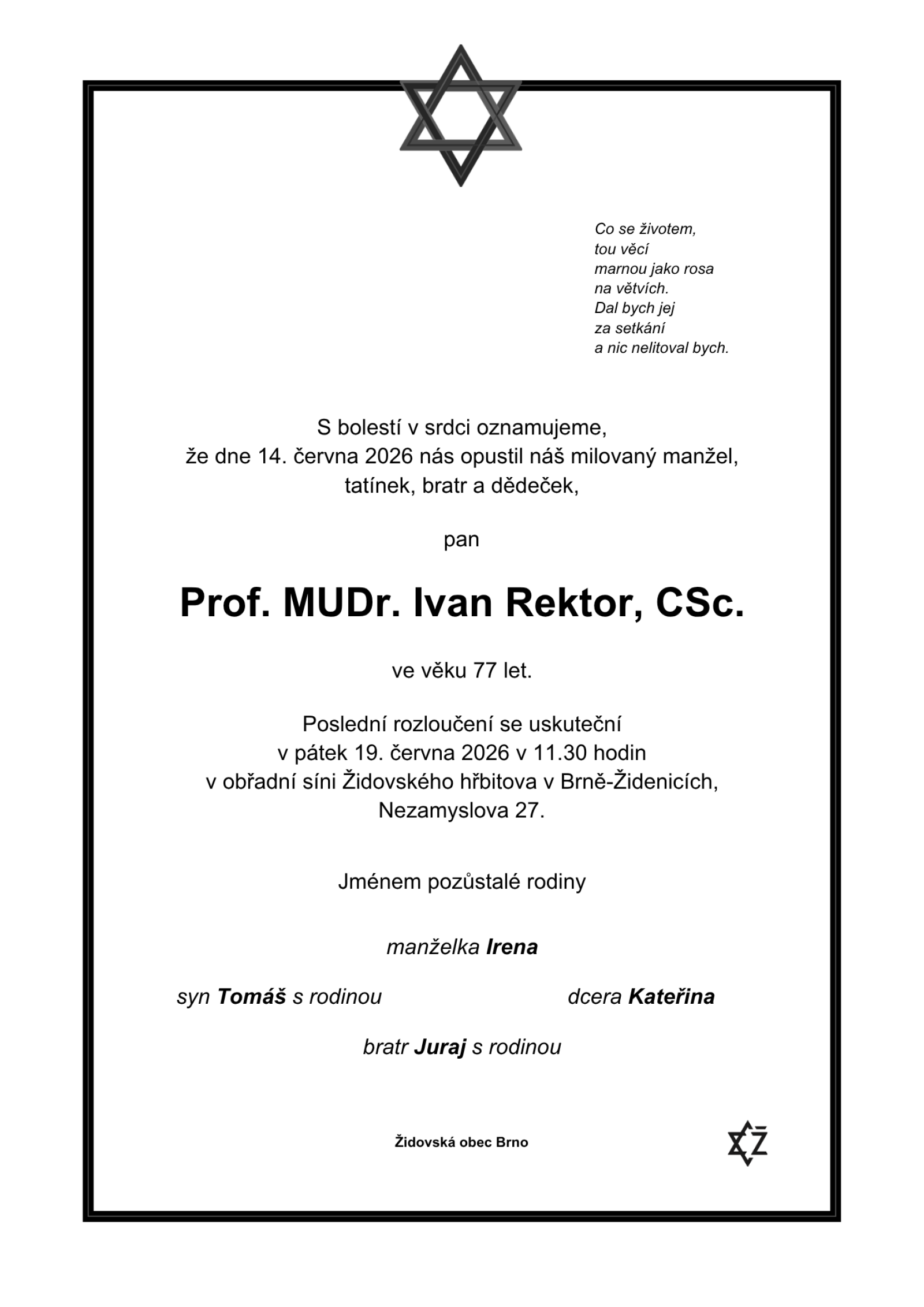
The funeral service will take place on 19 June at 11:30 a.m. in the ceremonial hall of the Jewish Cemetery in Brno-Židenice. The ceremony will be followed by an informal gathering dedicated to remembering his life and work. Family, friends, colleagues, and all those who wish to pay tribute to an exceptional scientist, mentor, and friend are warmly welcome to attend.
Those who are unable to attend in person are invited to leave a message or share a memory in the Online Book of Condolences available below.
Photogallery
Author
