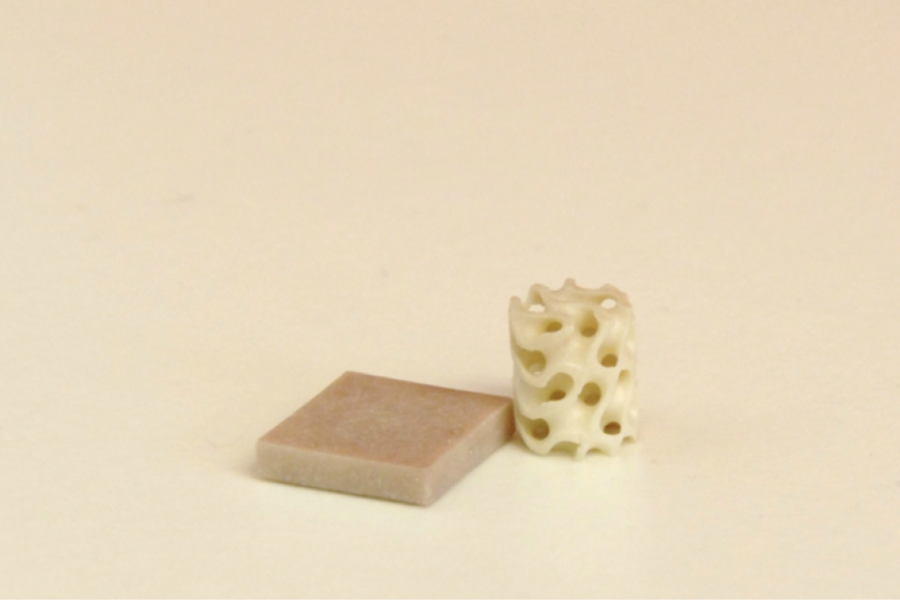
A novel method has been developed for the preparation of patient-specific calcium phosphate bone scaffolds with an interconnected porous structure. The method is based on 3D milling of machinable ceramic foams prepared by direct foaming of a suspension. This approach can be considered a relatively simple alternative to commonly used additive manufacturing techniques and can also be combined with additive manufacturing (3D printing) processes. Implants prepared using the gel casting method have been successfully tested in in vivo animal models (pig, rabbit, mouse). In the field of bioactive implant development, we actively collaborate with partners from the medical and biological sciences
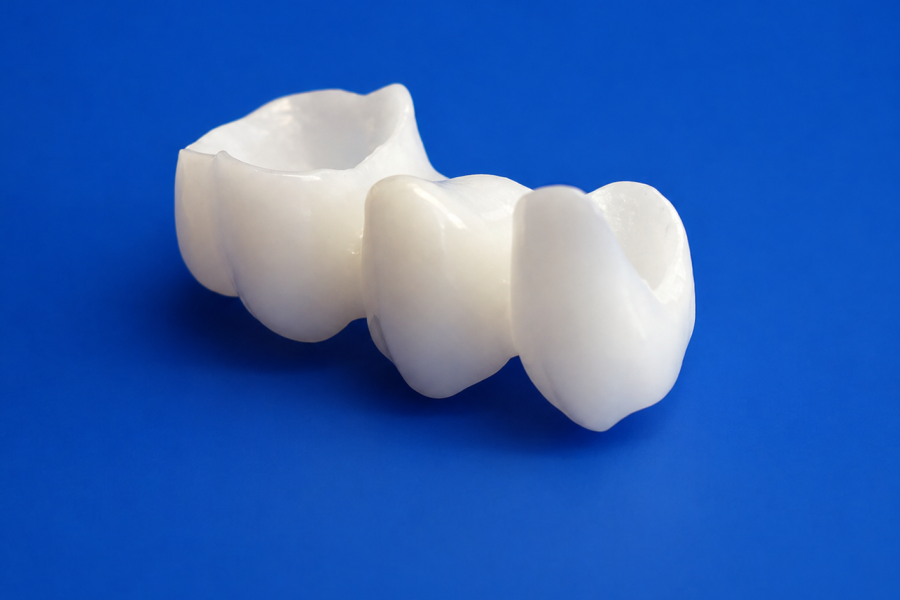
Within the research group, a 3Y-TZP dental ceramic has been developed that offers excellent strength combined with enhanced translucency. This material helps bridge the current gap between high-strength and highly translucent zirconia-based dental ceramics. Crowns fabricated from this material have demonstrated superior mechanical properties compared to commercially available products
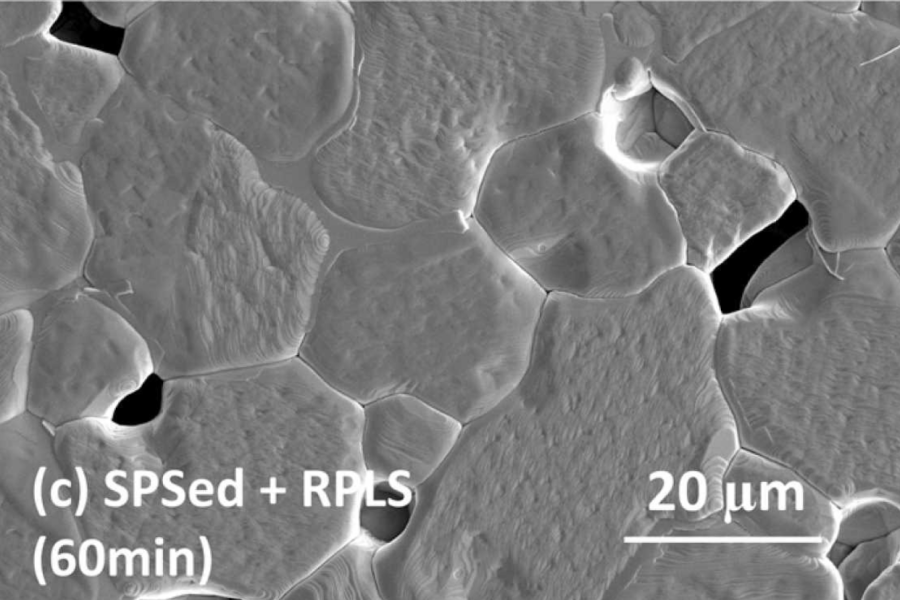
Members of the research group have developed unique processing methods for large and complex-shaped alumina components, achieving the highest reported transparency
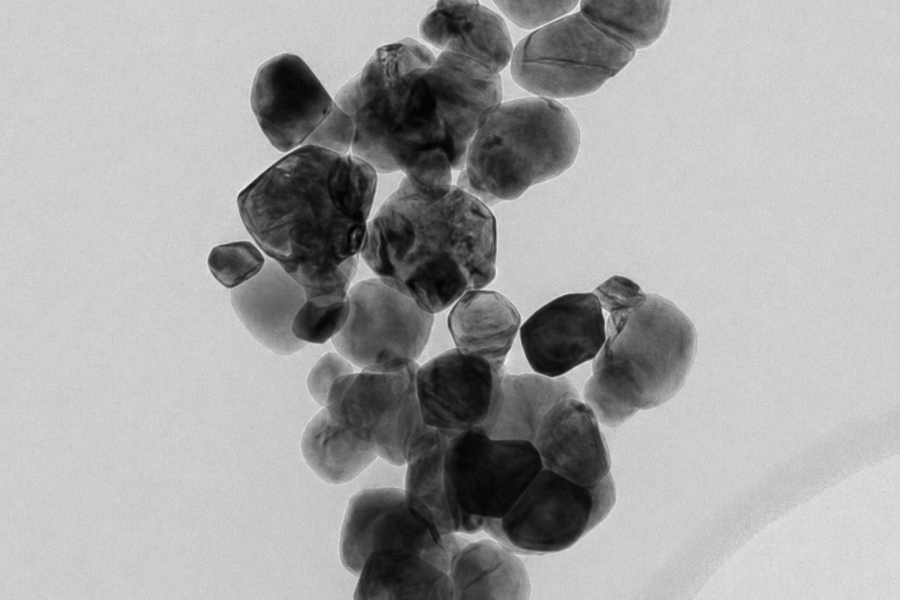
Leveraging our ability to work with nanocrystalline powders, we have developed nanocrystalline ceramics whose properties surpass those of conventional 3Y-TZP ceramics
We have developed a novel gel tape casting method for the preparation of thin ceramic tapes based on alumina and zirconia. Owing to their defect-free microstructure, the resulting thin substrates exhibit high strength and demonstrate an unusual property for ceramics—elastic behavior. These substrates are used as active dielectric materials in low-temperature plasma discharges
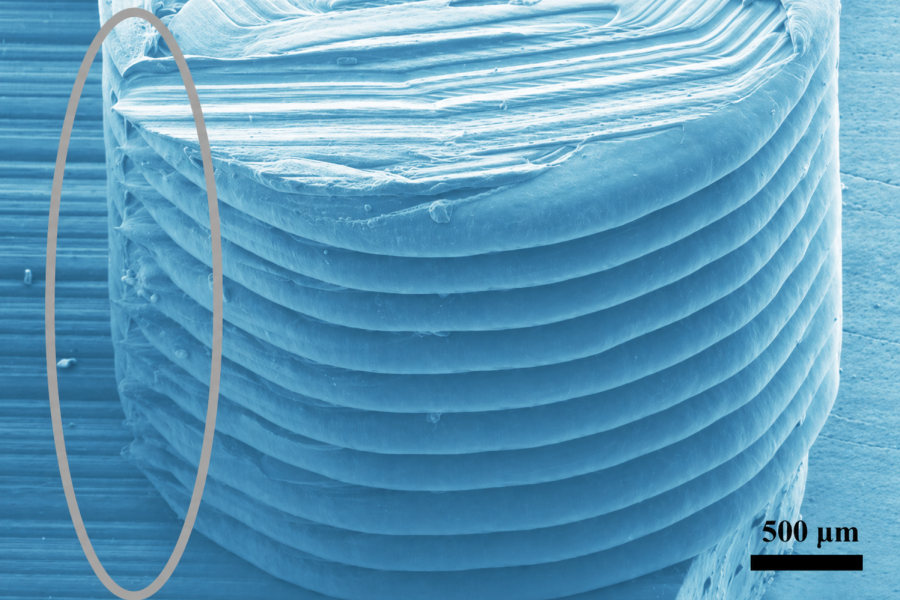
One of the major achievements in this area is the development and in-depth investigation of photosensitive suspensions filled with various types of ceramic particles. These suspensions are compatible with commercially available 3D printers using light-based printing technologies with wavelengths above 405 nm. In addition, an innovative debinding process for 3D-printed green bodies has been developed, reducing processing time by 50% while significantly decreasing defect rates

