

 Share
Share
26. June 2026
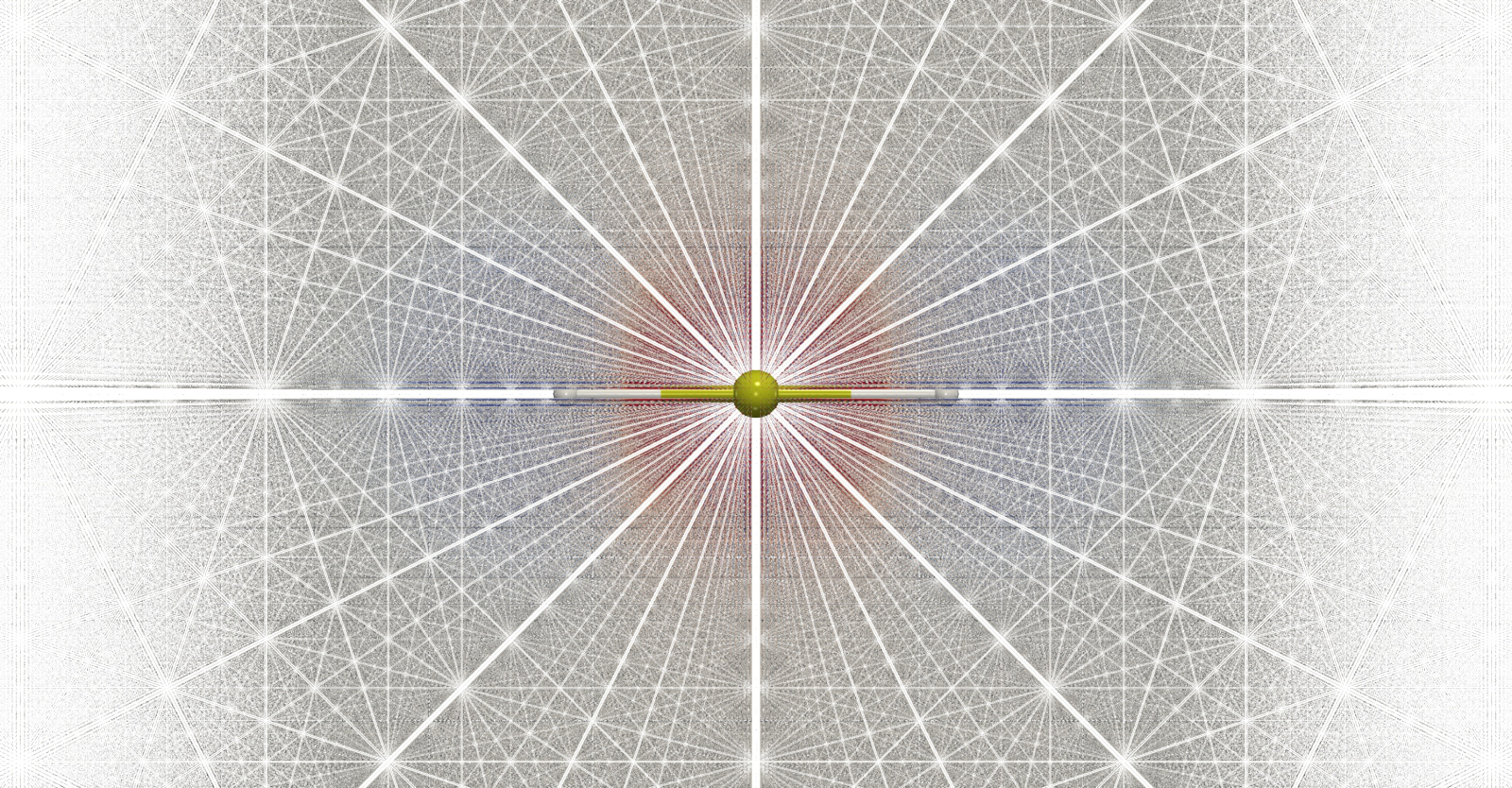
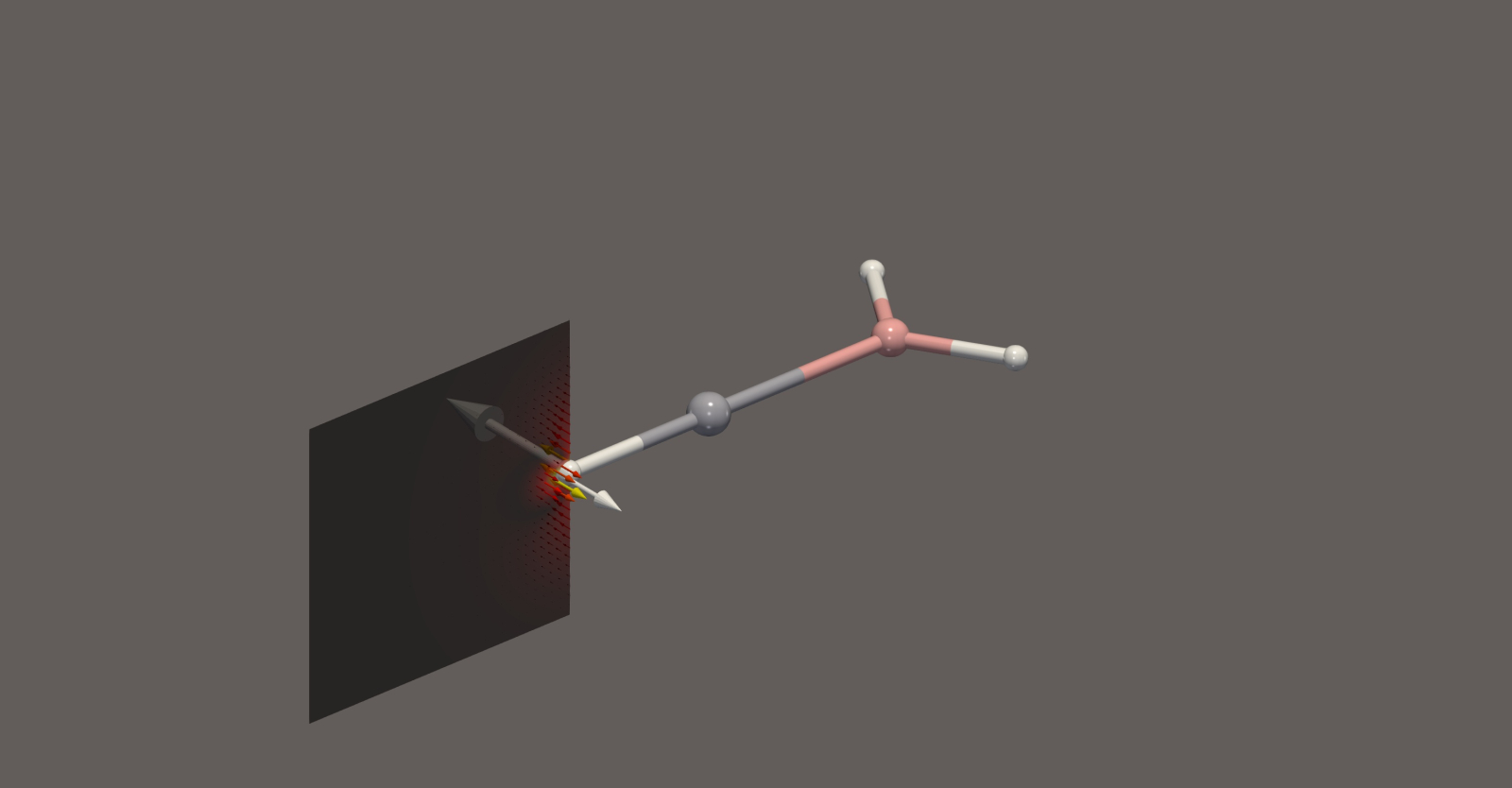
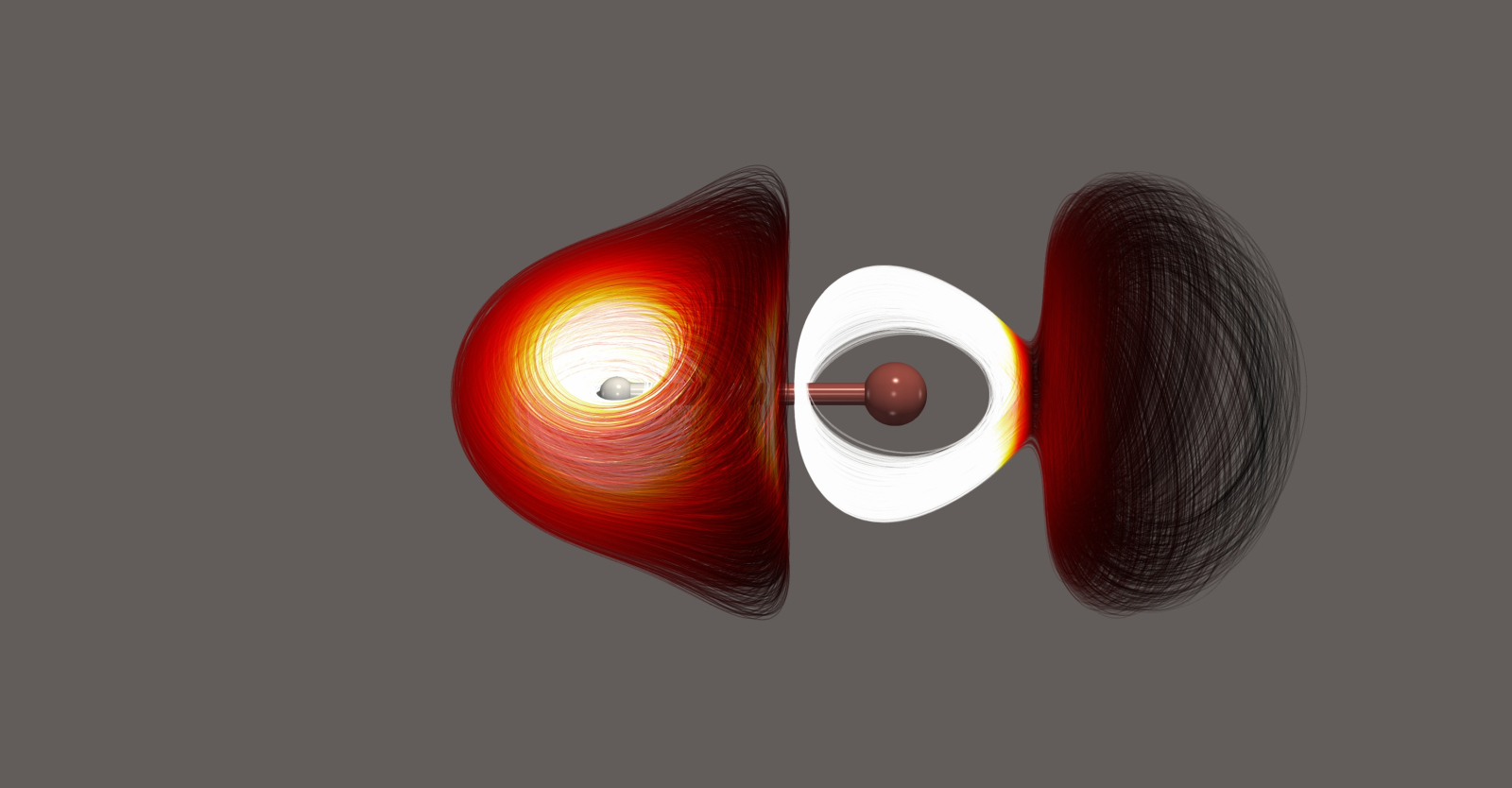
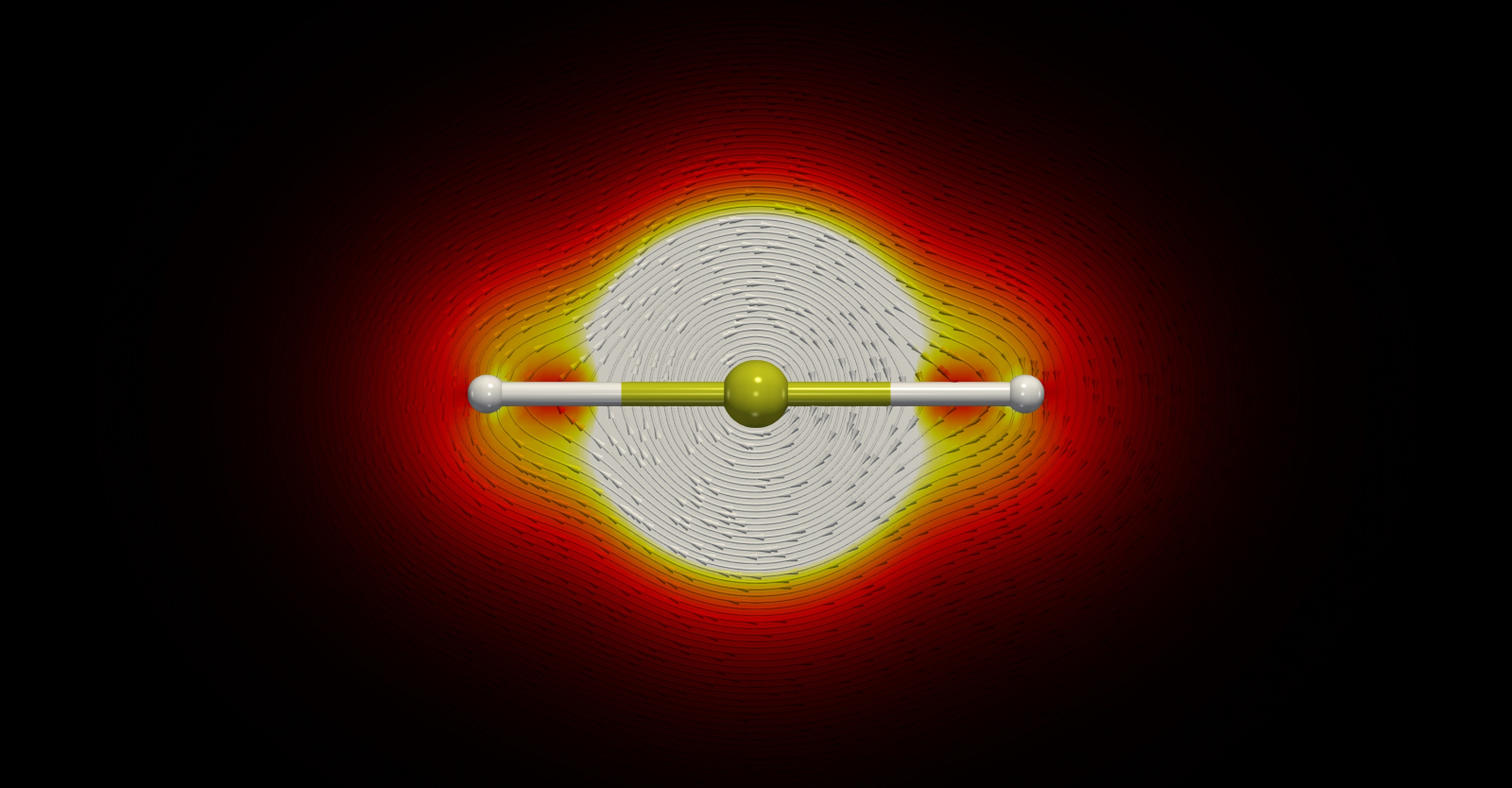
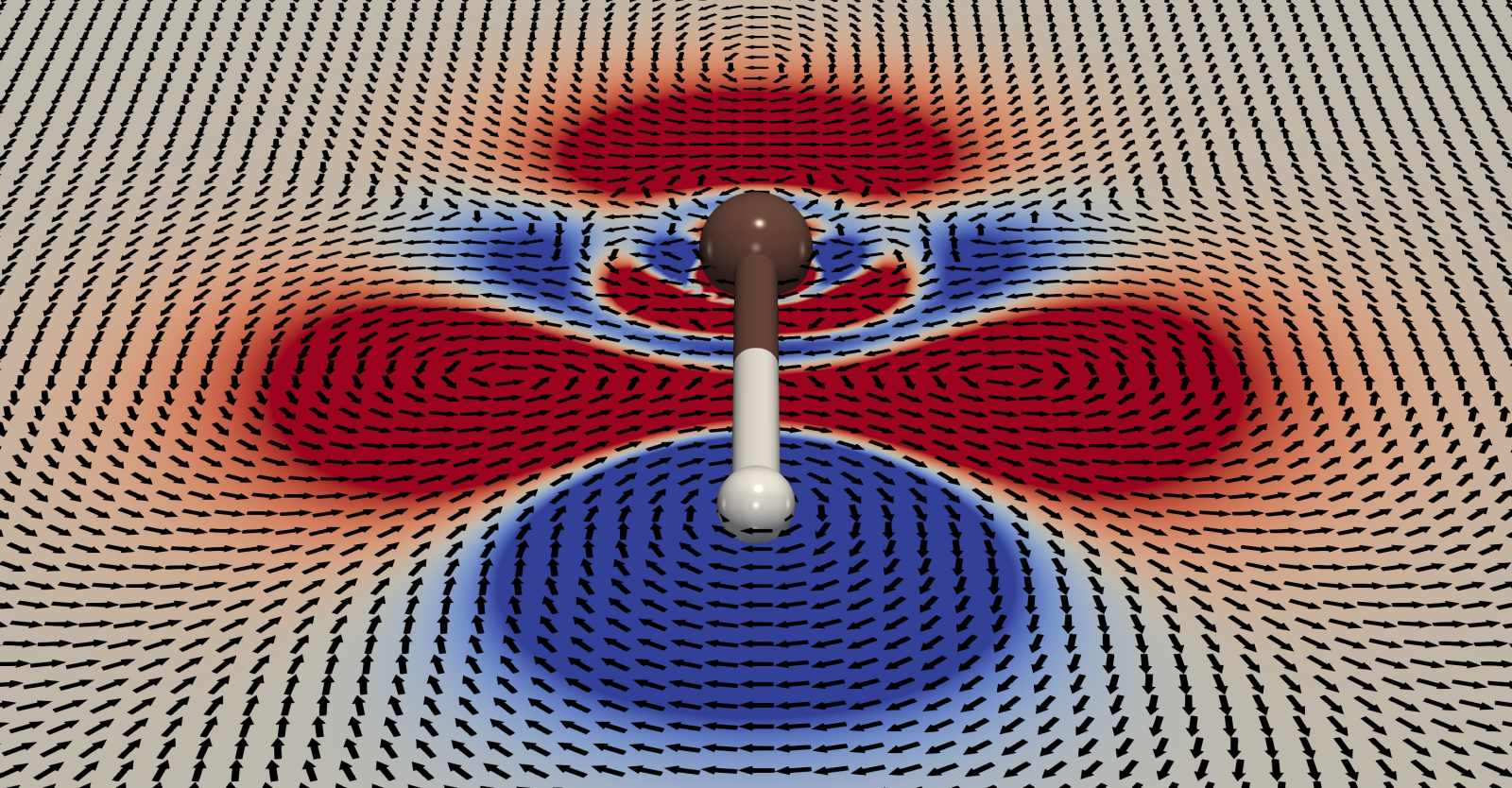
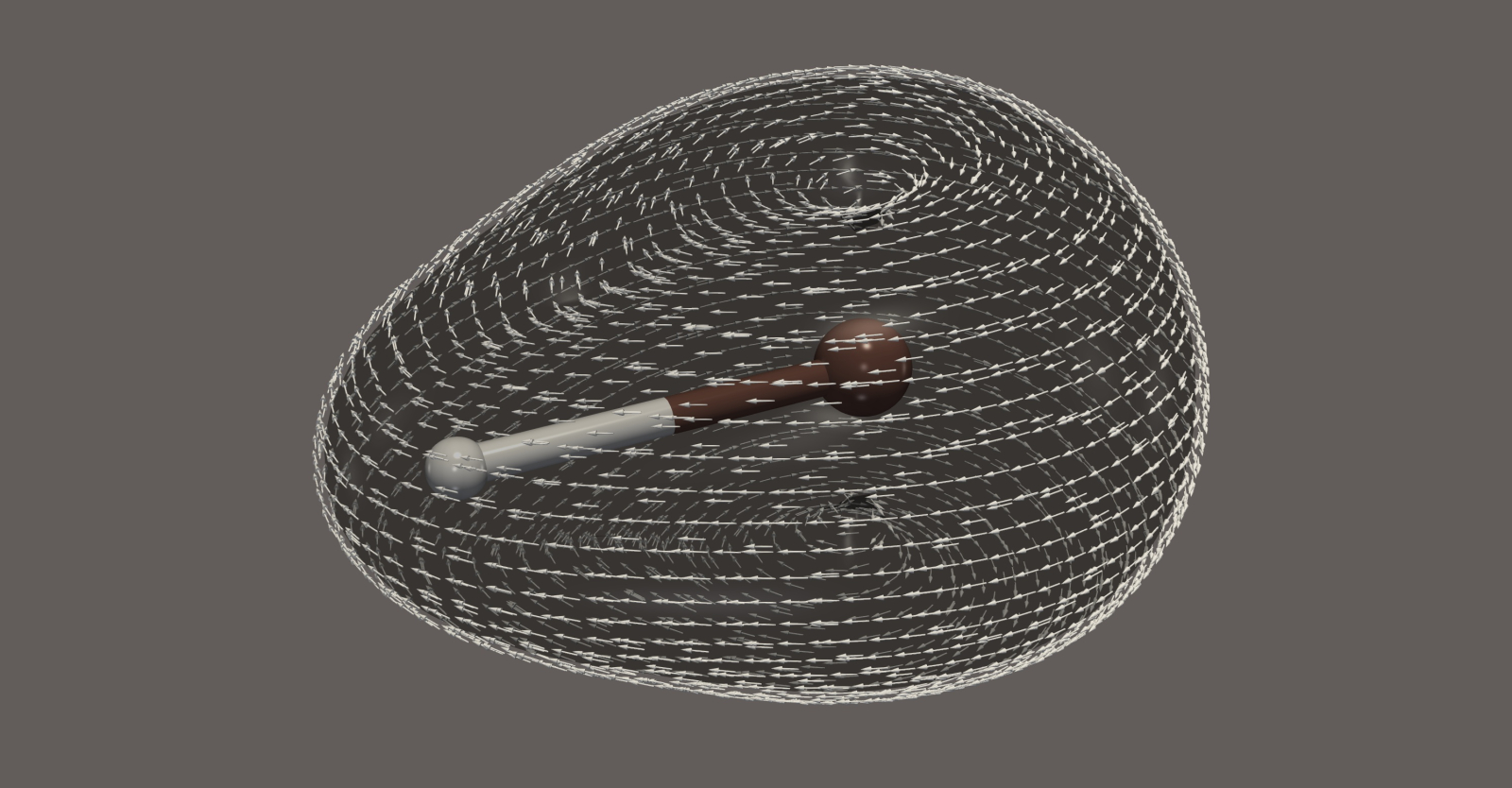
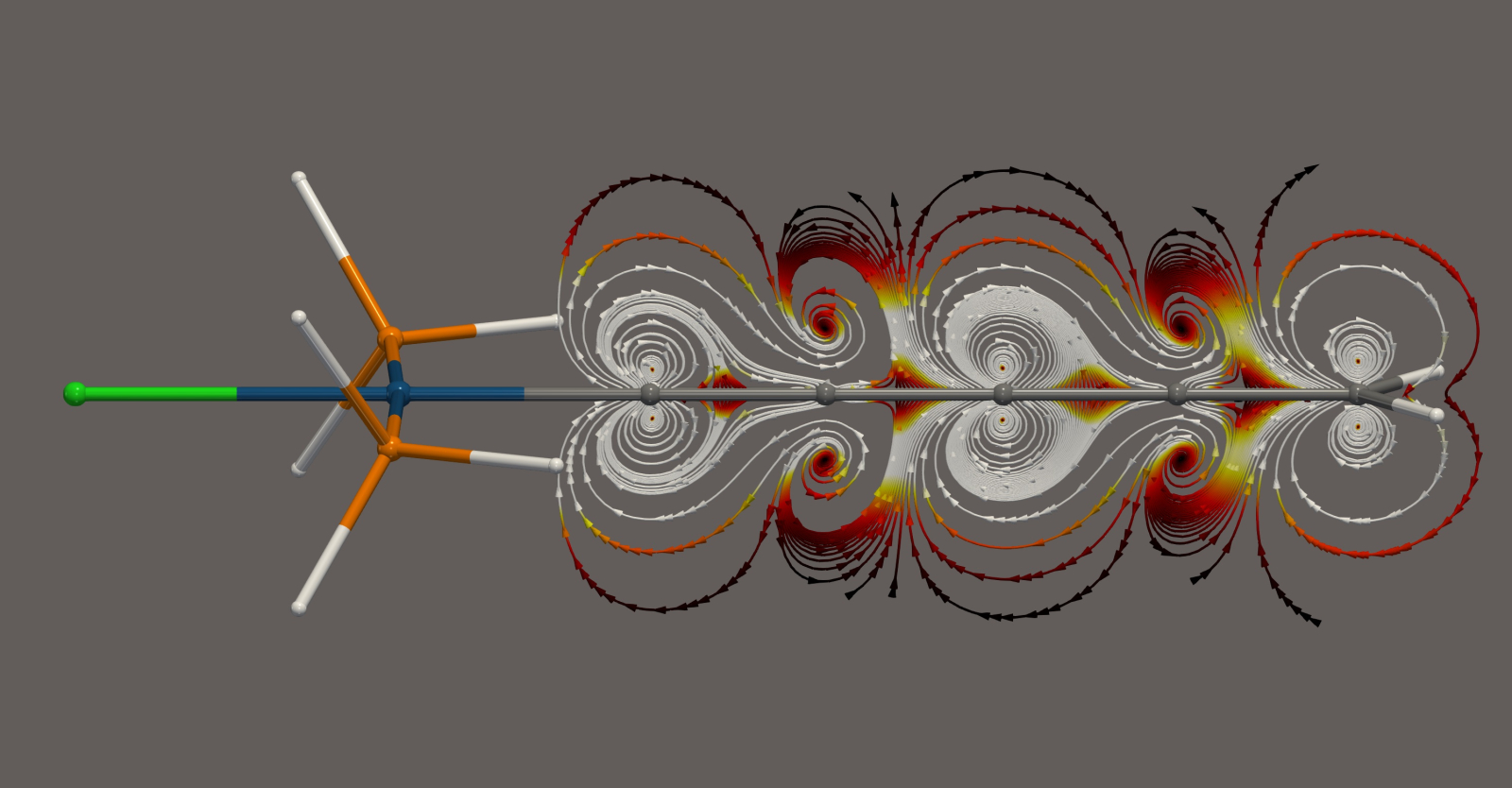
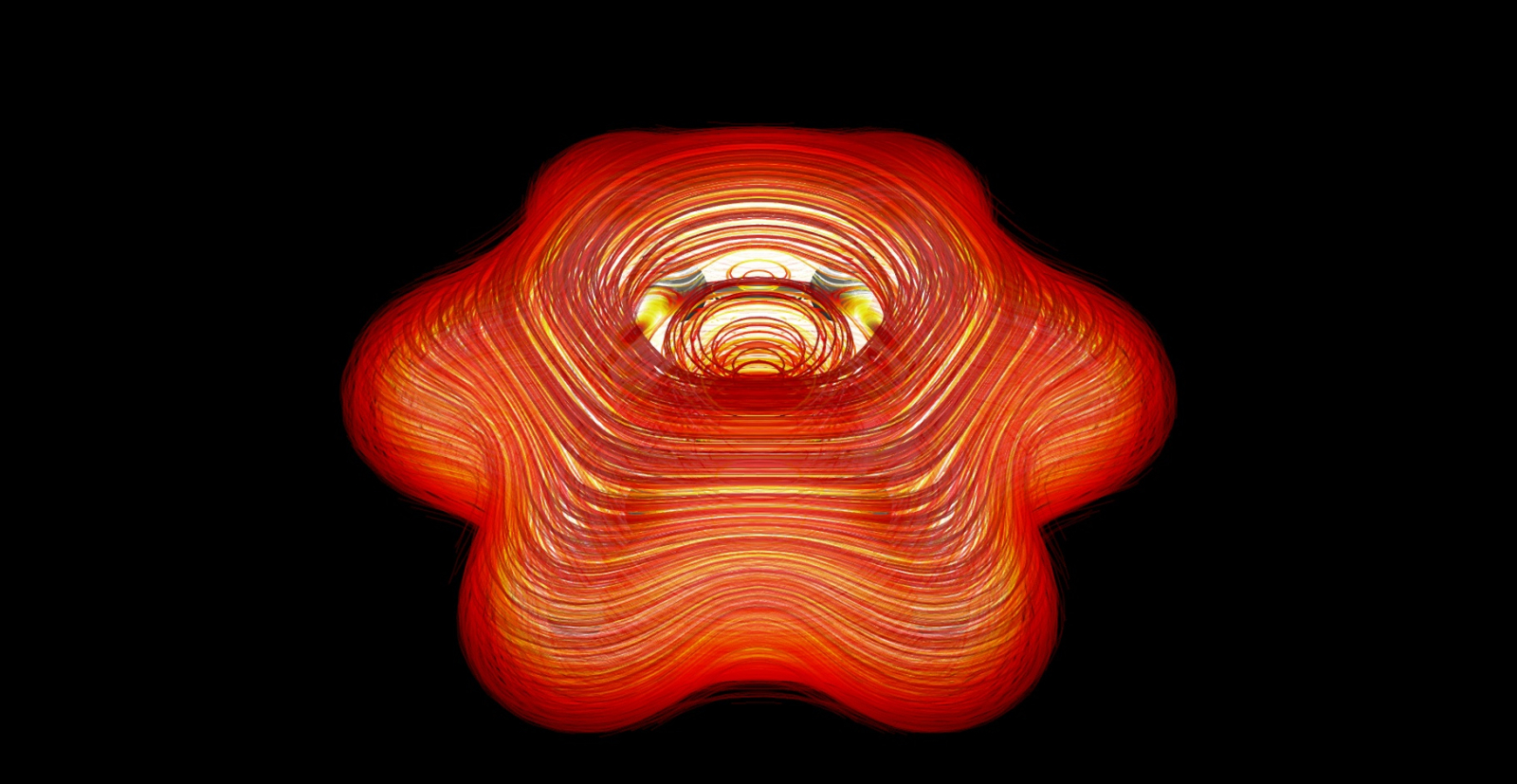
Colourful vortices, loops and currents resembling magnetic storms or abstract digital art. This is what maps of magnetically induced electron currents look like, created by an international team including chemists from CEITEC Masaryk University while studying molecules containing gold, mercury and the rare element astatine.
What may at first glance resemble visualisations of outer space or ocean currents is in fact taking place inside molecules themselves. Here, electrons form complex currents and vortices whose shapes vary depending on the type of atom and the nature of the chemical bond.
And this is where Einstein enters the picture. In heavy elements, electrons move so rapidly that their behaviour is influenced by the effects of special relativity. Without relativistic physics, some of these remarkable electron patterns would not exist at all.
While some atoms are surrounded by almost perfectly symmetrical current flows, others generate distorted vortices or local turbulences resembling miniature electron storms. Using advanced computational methods, the researchers were able to capture these differences in unprecedented detail.
The results provide not only new insights into the behaviour of heavy elements but also a visually fascinating glimpse into a world that normally remains hidden from human eyes.
Scientists study such phenomena because the behaviour of electrons determines how stable molecules are, how they react, and what properties they possess. In heavy elements, however, the rules of classical chemistry often reach their limits – and relativity comes into play.
A better understanding of these effects could eventually contribute to the design of new catalysts or materials based on heavy metals. For the researchers themselves, studying such electron structures is also a way of exploring one of the least intuitive realms of modern chemistry.
The study was published in JACS Au.
Photogallery
Author

Expert
