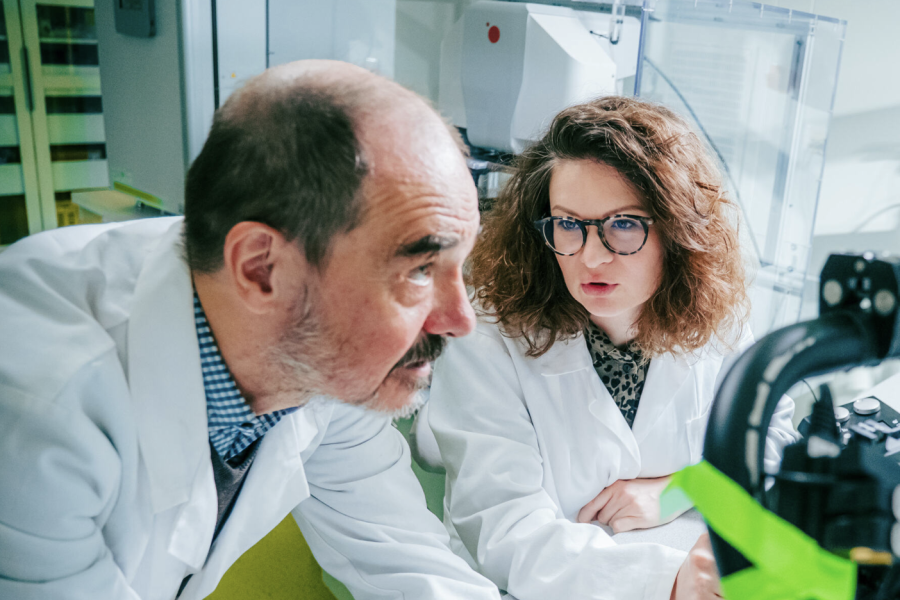
The research group of Professor Radim Chmelík has developed a unique technology of quantitative phase imaging that enables highly precise measurement of subtle optical changes in living cells without any staining. It is based on working with the phase of light and its numerical reconstruction from holographic data, providing detailed information about cell mass, internal organization, and dynamics. Our technology uses incoherent light, which significantly improves image quality and eliminates artifacts typical of laser-based systems. A recent extension with a fluorescence module enables multimodal imaging, combining non-invasive quantitative phase data with specific labeling of cellular structures. This approach provides a more comprehensive view of biological processes and expands the possibilities for analyzing living cells in their natural environment. This technology is closely linked to the Q-Phase microscope itself, developed at CEITEC BUT as a result of more than twenty years of research in holographic imaging and the use of the phase of light. In the late 1990s, Professor Chmelík began developing the first prototypes based on incoherent illumination, which made it possible to suppress artifacts common in laser systems and significantly improve the quality of phase measurements. In 2013, the final academic version of Q-Phase was completed and subsequently commercialized in collaboration with TELIGHT. Since then, the system has continued to evolve, with current research focused on further increasing precision, speed, and the capabilities of multimodal imaging
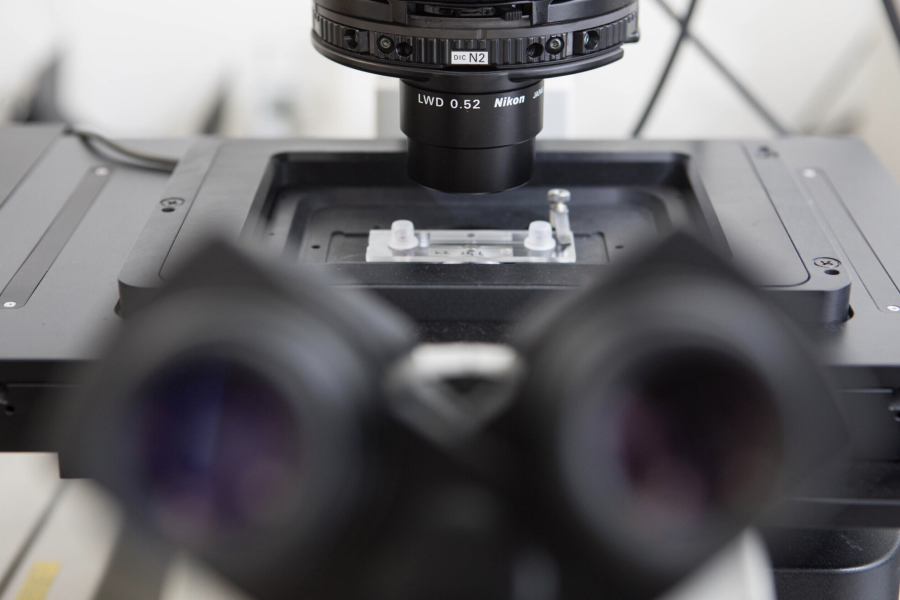
The developed technologies find applications across a wide range of research fields. In biomedicine, they enable real-time study of living cells, measurement of drug effects, and observation of processes related to cell growth, division, and migration. The method is particularly significant in oncology, where it allows the observation of fresh tumor cells from biopsies and the evaluation of their response to treatment. In the future, this may significantly contribute to the personalization of therapy and more accurate assessment of the effectiveness of cytostatic drugs. In materials research, this technology is used to characterize nanostructures and metasurfaces that can manipulate the properties of light at the level of individual wavelengths. These insights open up new possibilities for the design of advanced optical components and improve our understanding of light interactions with both artificial and biological structures
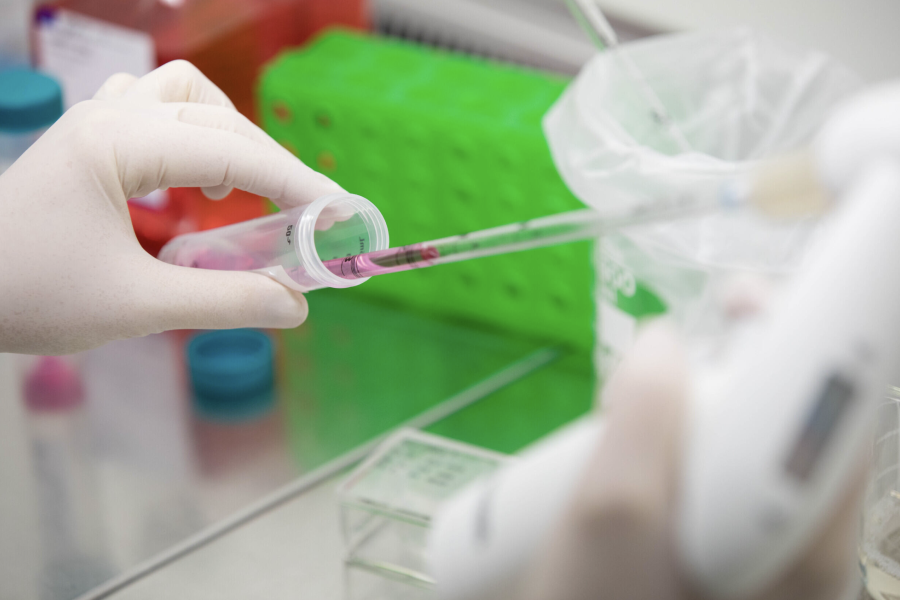
A key partner of our group is TELIGHT, which commercializes and further develops the Q-Phase microscopy platform built on our principles. This collaboration connects academic research with the technological and manufacturing background of an industrial partner and enables the rapid transfer of results into practical applications. TELIGHT provides manufacturing, distribution, and user support for the instrument, while our team focuses on the research of new methods, optical concepts, and features that can be integrated into future generations of the system. Together, we create a technological solution that originated in academic research and has a direct impact on modern biomedical and materials applications
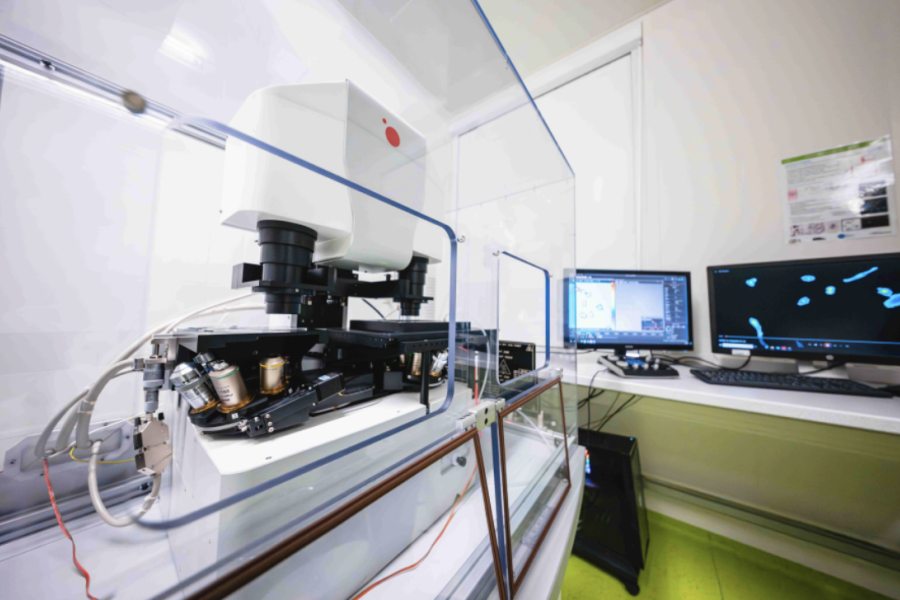
Our goal is to advance methods of non-invasive optical imaging and to deliver technologies that enable precise, quantitative, and long-term observation of living systems. We strive to make quantitative phase microscopy a widely accessible tool for biological and biomedical research, providing information that complements and extends the capabilities of existing imaging techniques. Looking ahead, we are moving toward fully 3D phase imaging, multimodal approaches combining different contrast methods, and technologies that enable detailed analysis of cell dynamics in environments close to their natural state. Our long-term vision is to develop tools and methodologies that support a deeper understanding of fundamental biological processes, as well as the advancement of new diagnostic and therapeutic strategies