

 Share
Share
31. Mar. 2026
War-related stress can leave a lasting impact on the structure of the human brain, even long after a conflict has ended. This is shown by a new study by researchers from CEITEC Masaryk University, which followed civilians affected by the war in the former Yugoslavia and their descendants. While structural and psychological changes persist in those directly exposed to the conflict, no such structural changes were observed in the next generation.
The research, led by Monika Fňašková, focused on two groups: individuals who experienced the war themselves (the first generation), and those born after the conflict, without direct relation to the first group (the second generation). The researchers compared them with control groups from the Czech Republic matched in age, sex and education. Participants underwent magnetic resonance imaging, psychological assessments and interviews.
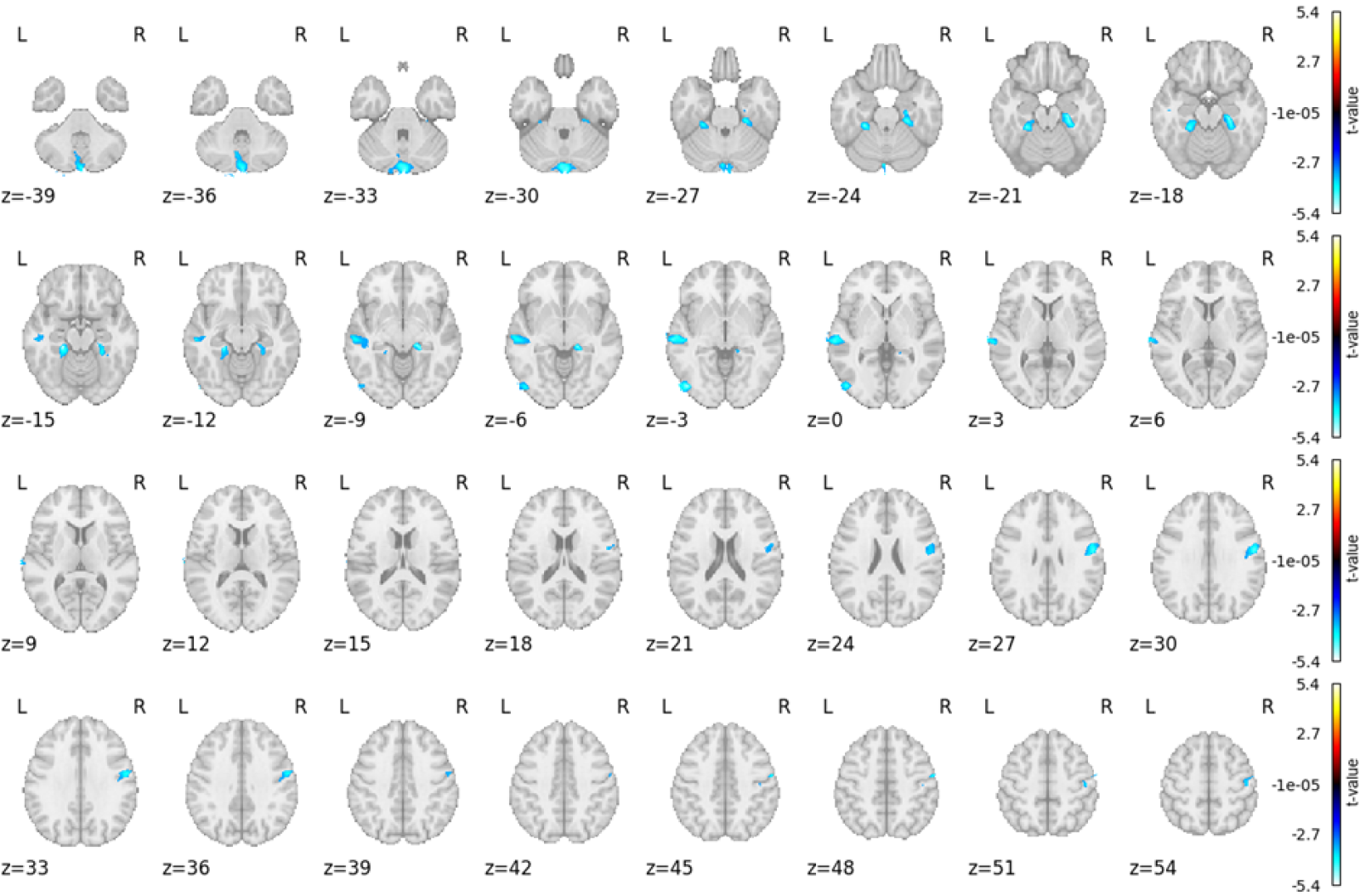
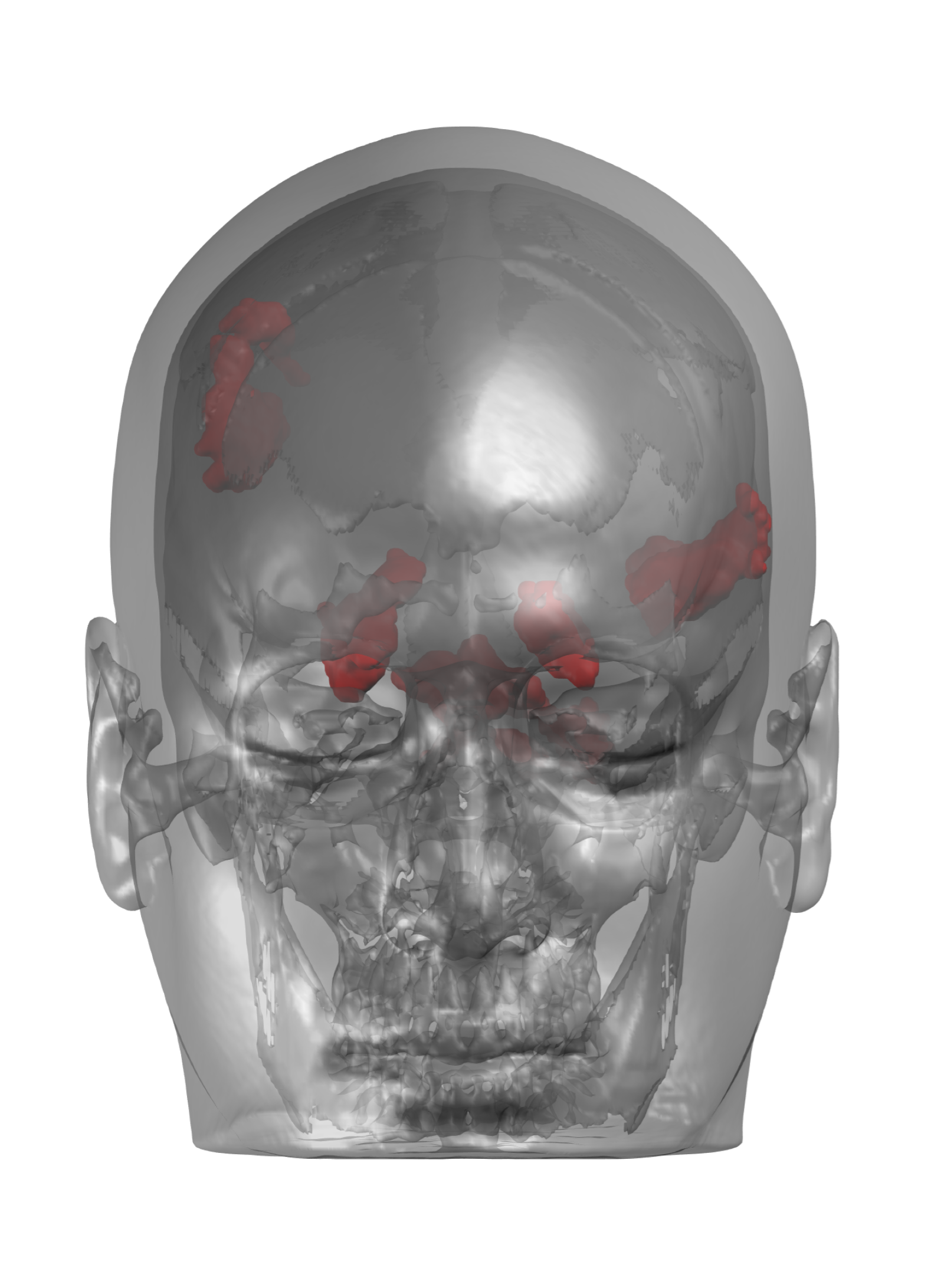
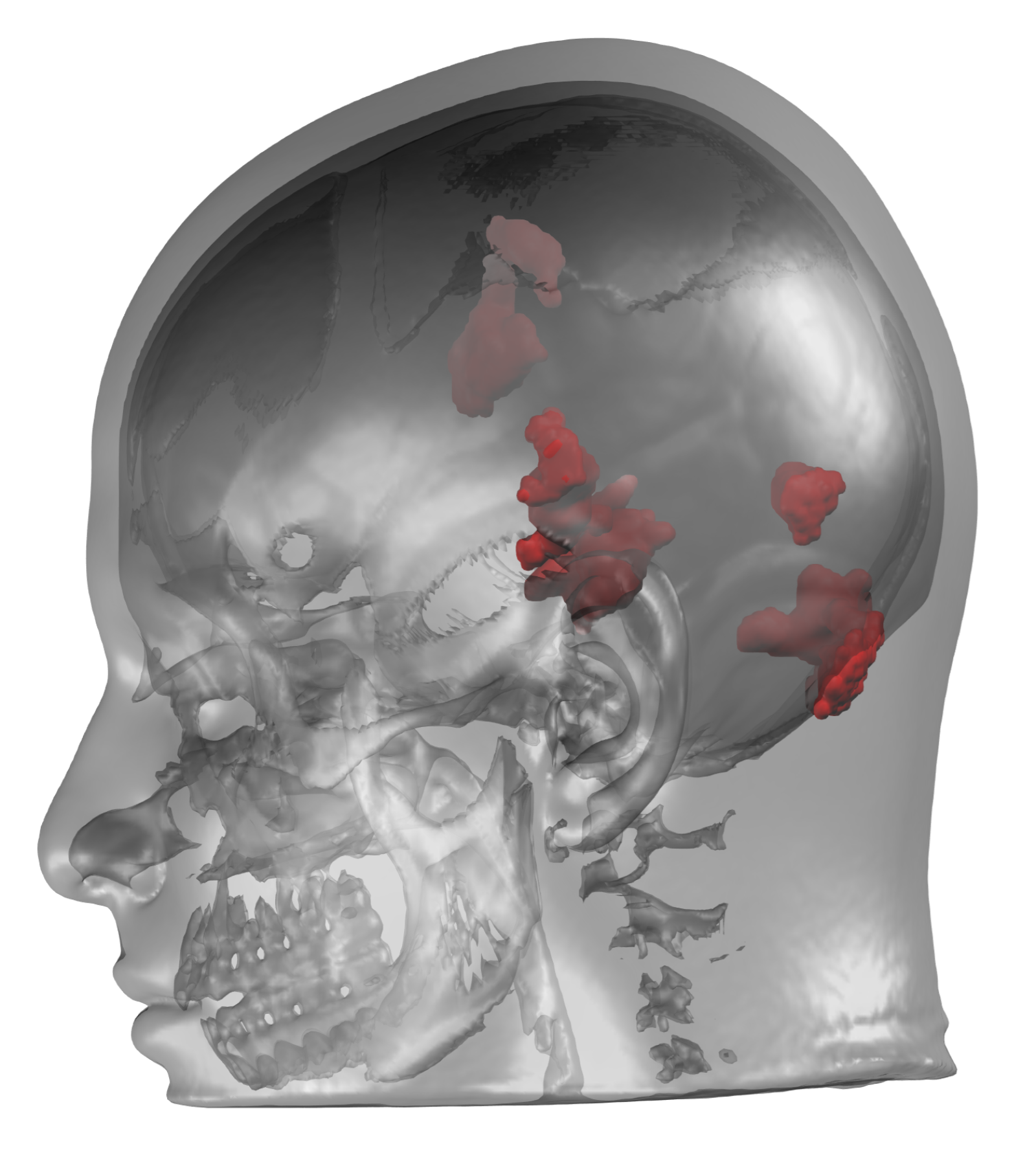
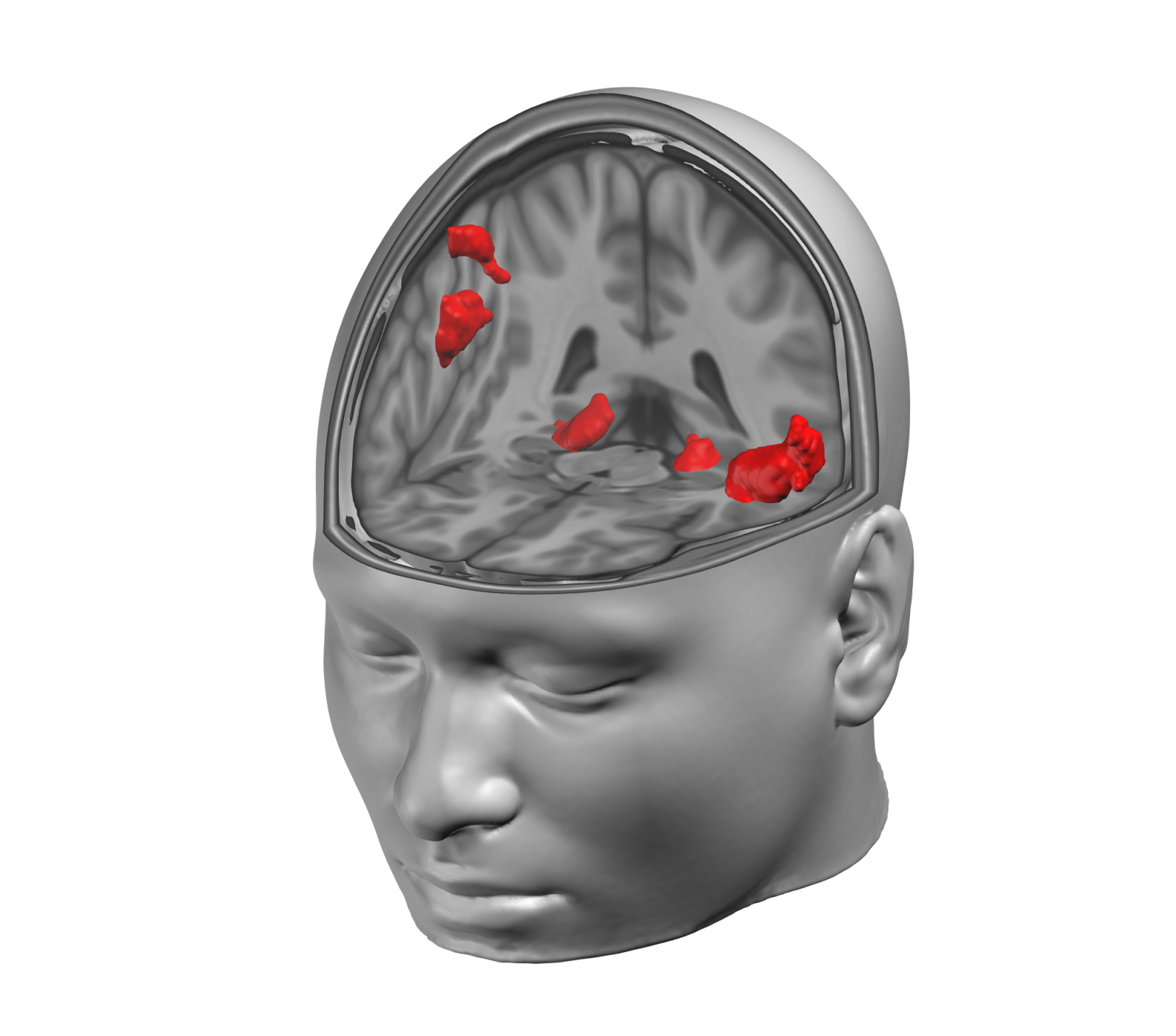
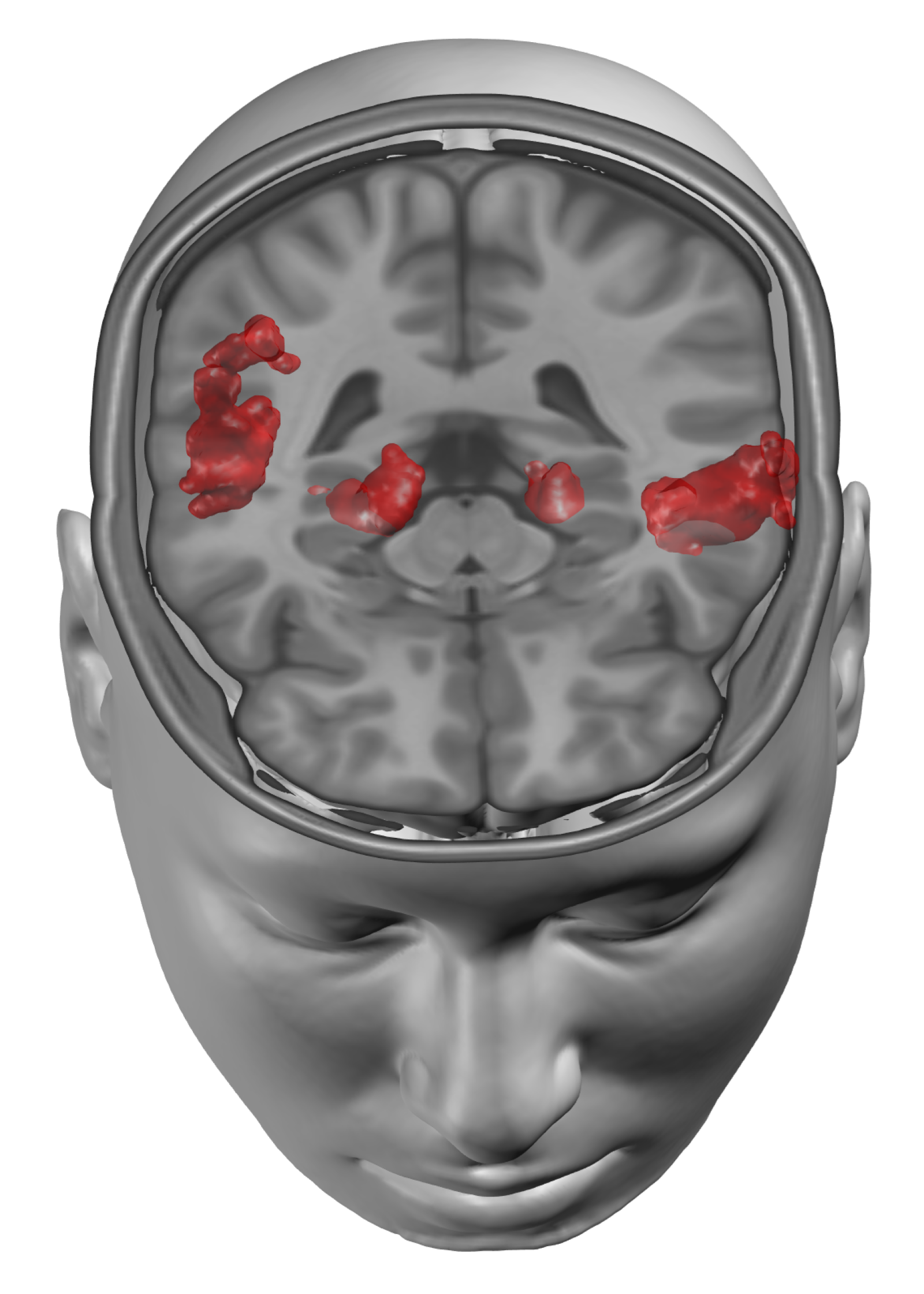
The results show that individuals directly exposed to war-related stress still exhibit reduced grey matter volume nearly three decades later in brain regions involved in processing emotions and storing personal memories, including the cerebellum, parahippocampal gyrus and temporal regions. Particular attention was given to the cerebellum. Traditionally associated with motor control, it has only recently been recognised as playing an important role in emotional processing and stress, including post-traumatic stress disorder. The new study supports this shift and shows that the cerebellum can also carry long-term impacts of war experience.
“Our findings show that the experience of war can leave a long-lasting impact on the brain. It is not only a psychological trace, but also a measurable structural change,” says first author Monika Fňašková.
In the second generation, which did not experience the war directly, the researchers did not observe structural brain changes. However, this group showed what is known as post-traumatic growth, which in this context represents a process of coping with and processing the experience rather than a direct consequence of trauma. This may relate, for example, to how the parents’ war experience influenced upbringing or perceptions of safety. “We do not observe a transfer of changes at the level of brain structure, but the experience of war is passed on within families through other pathways – for example through the environment in which children grow up,” adds principal investigator Martin Lamoš.
The study, published in Scientific Reports, builds on long-term research into the effects of extreme stress on the human brain conducted at CEITEC MUNI and associated with neurologist Ivan Rektor. His work, which has also focused on Holocaust survivors, has shown that trauma can leave long-lasting biological and psychological effects across generations. The research by Monika Fňašková was carried out within his research group and further develops this line of research in the context of late 20th-century war conflicts.
The findings also highlight the importance of long-term mental health care for people affected by conflict. Unprocessed trauma can persist for decades and affect not only individuals, but also families and societies as a whole.
Photogallery
Author

Expert
