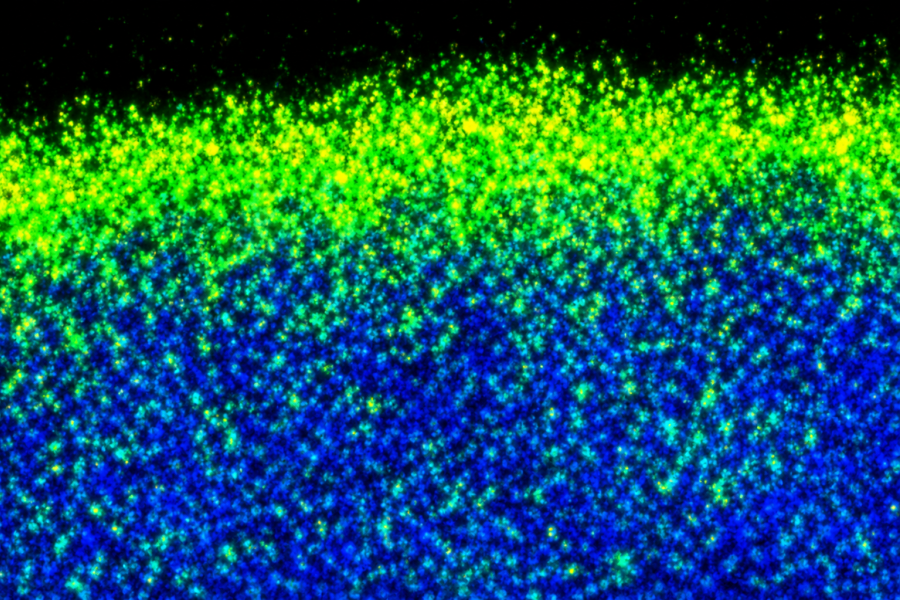
Current research focuses on plasma polymerization and plasma chemical deposition of organic coatings with controlled chemical composition and structure. We study in detail the relationship between plasma process parameters and the resulting properties of bioactive surfaces, particularly their ability to bind proteins and interact appropriately with cells. A significant part of our current work is dedicated to the study of atmospheric plasma discharges, which enable the modification of both surfaces and liquids under conditions close to real world operation. These experiments are conducted primarily in the new plasma laboratory at the Faculty of Electrical Engineering and Communication, Brno University of Technology, which significantly expands our research capabilities beyond the existing CEITEC facilities. At the same time, we continue our collaboration with biologists and industrial partners, where we verify the transferability of fundamental research into practical applications. In addition to research itself, we are also systematically engaged in student education and in building a new research line that connects plasma technologies, nanomaterials, and advanced surface characterization
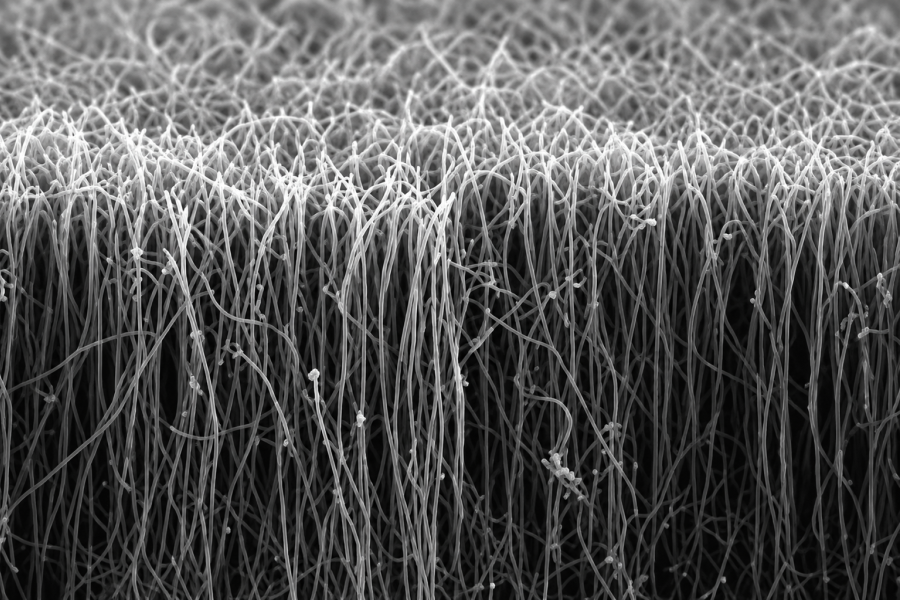
Our research focuses on plasma processing of materials, with particular emphasis on biointerfaces, that is, the interfaces between materials and biological environments. Using low temperature plasma, we modify surfaces to achieve defined chemical and functional properties, particularly the ability to bind biomolecules and interact appropriately with cells. We study the relationship between plasma process parameters, the structure of the resulting surface layers, and their biological response. A significant part of our work is dedicated to the modification of polymer nanofibres and nanotextiles, which represent sensitive and highly structured materials. Plasma treatment allows us to modify their surface properties without disrupting the nanofibrous structure. We focus on combining nanofibres with plasma polymerization and with nano and microparticles, enabling the development of functional materials with controlled properties, such as antibacterial effects or enhanced affinity for additional components. Another important area of research includes carbon nanomaterials, as well as plasma modification of hydrogels and liquids. We study carbon nanoparticles with attached functional groups and their potential for binding other molecules. At the same time, we investigate plasma activation of water and hydrogels, where reactive compounds are generated with potential for antibacterial and bioactive applications. These research directions connect materials science with chemistry and biology, expanding the possibilities of plasma technologies beyond conventional surface modification
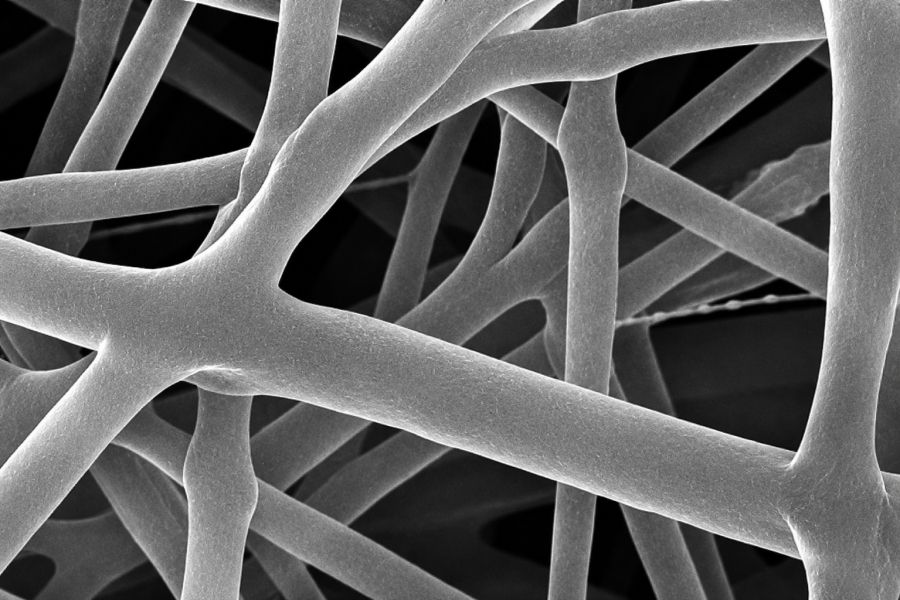
Our research focuses on the fundamental study of plasma, particularly the physical nature of plasma discharges and their interactions with material surfaces. We investigate low temperature plasma as a strongly non equilibrium system in which individual components, namely electrons, ions, and neutral particles, possess significantly different energies. This non equilibrium nature is essential for understanding plasma chemical processes and the possibilities for their controlled manipulation. We study the mechanisms of reactive species formation in plasma, their transport, and their subsequent interaction with material surfaces. Our focus is primarily on heterogeneous surface reactions that lead to surface activation, the formation of new functional groups, or changes in the chemical composition and structure of surface layers. These processes are investigated across a broad range of materials, including polymers and nanostructured surfaces, at both the micro and nanoscale. Our emphasis on fundamental research enables us to establish a strong physical and chemical foundation for further applied directions, whether in bioactive materials, nanotechnologies, or industrial surface modification. Our goal is not only to describe the empirical effects of plasma processes, but above all to understand their underlying causes and interconnections, which is essential for the long term development of plasma technologies and their reliable practical application