

 Share
Share
6. Aug. 2026
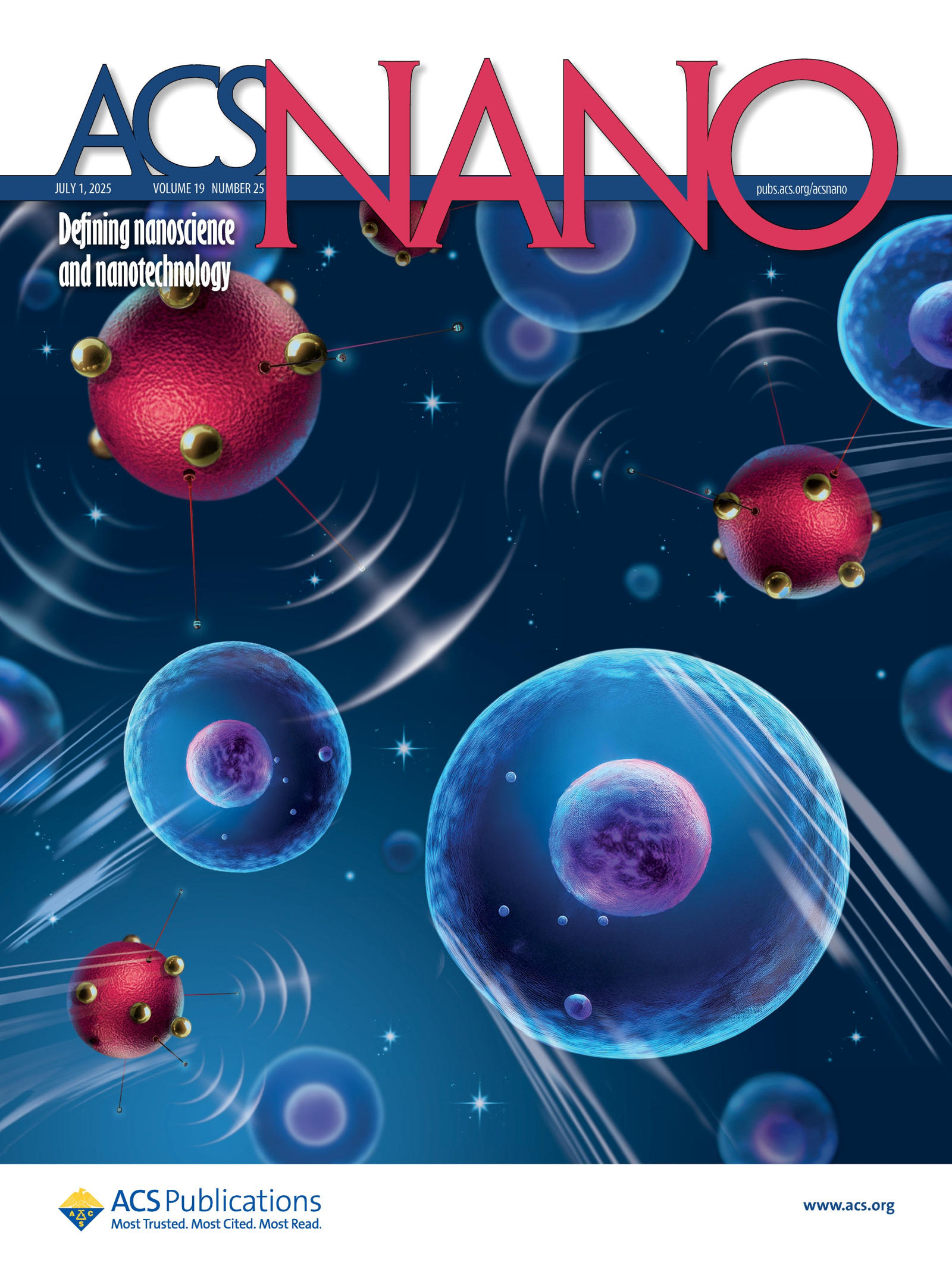
Scientists at CEITEC Brno University of Technology have developed microscopic robots that could one day accelerate beer production and simplify food quality control. The magnetically controlled biobots can actively mix liquids during fermentation, speed up the process, and separate themselves from the finished product once fermentation is complete. The results of the research, carried out by Professor Martin Pumera’s team, were published in the journal ACS Nano.
“When people hear the word ‘robot’ today, they often imagine an electronic device. In reality, however, a robot can be any system capable of autonomously performing a specific task,” explains Martin Pumera of CEITEC Brno University of Technology.
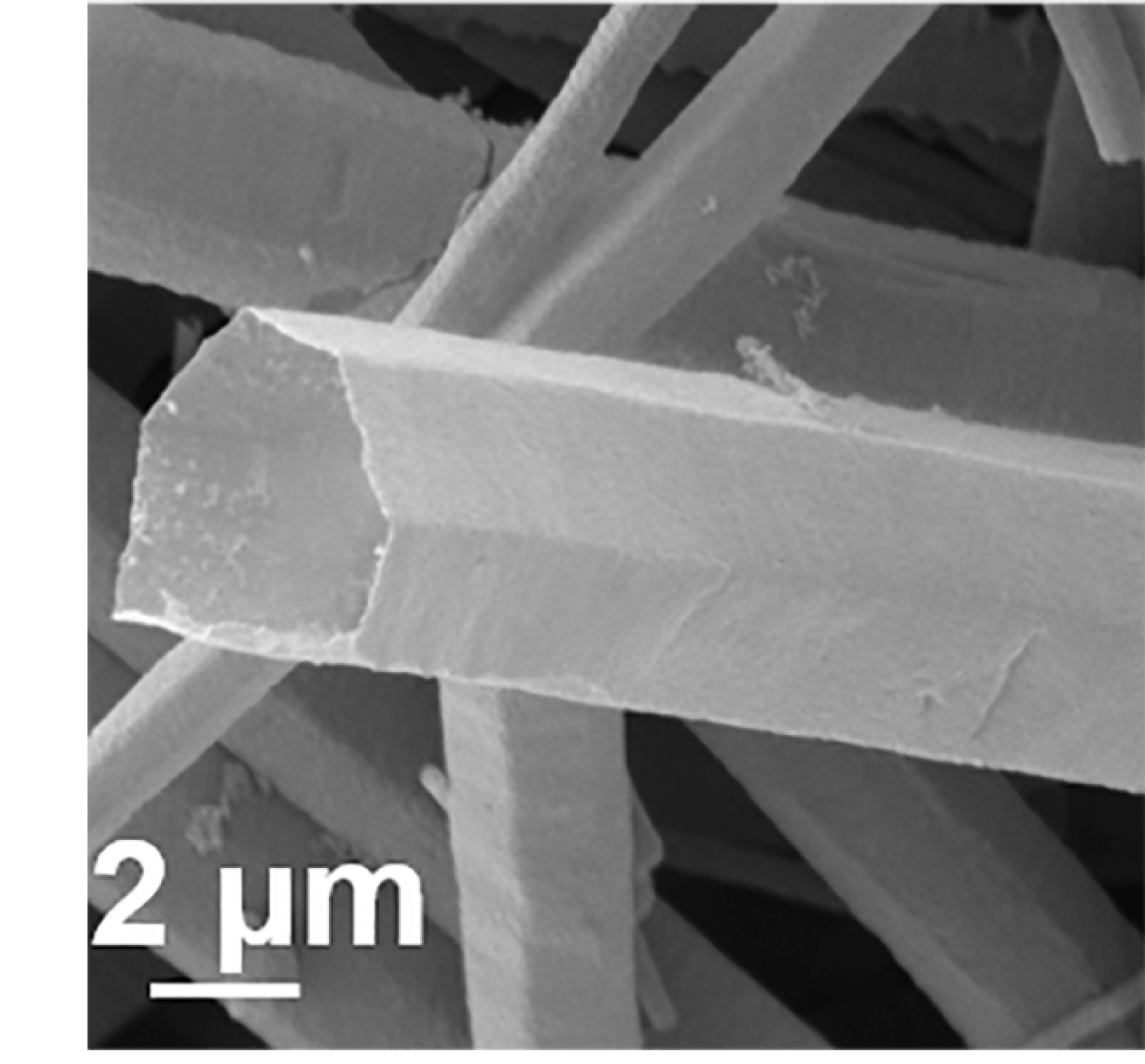
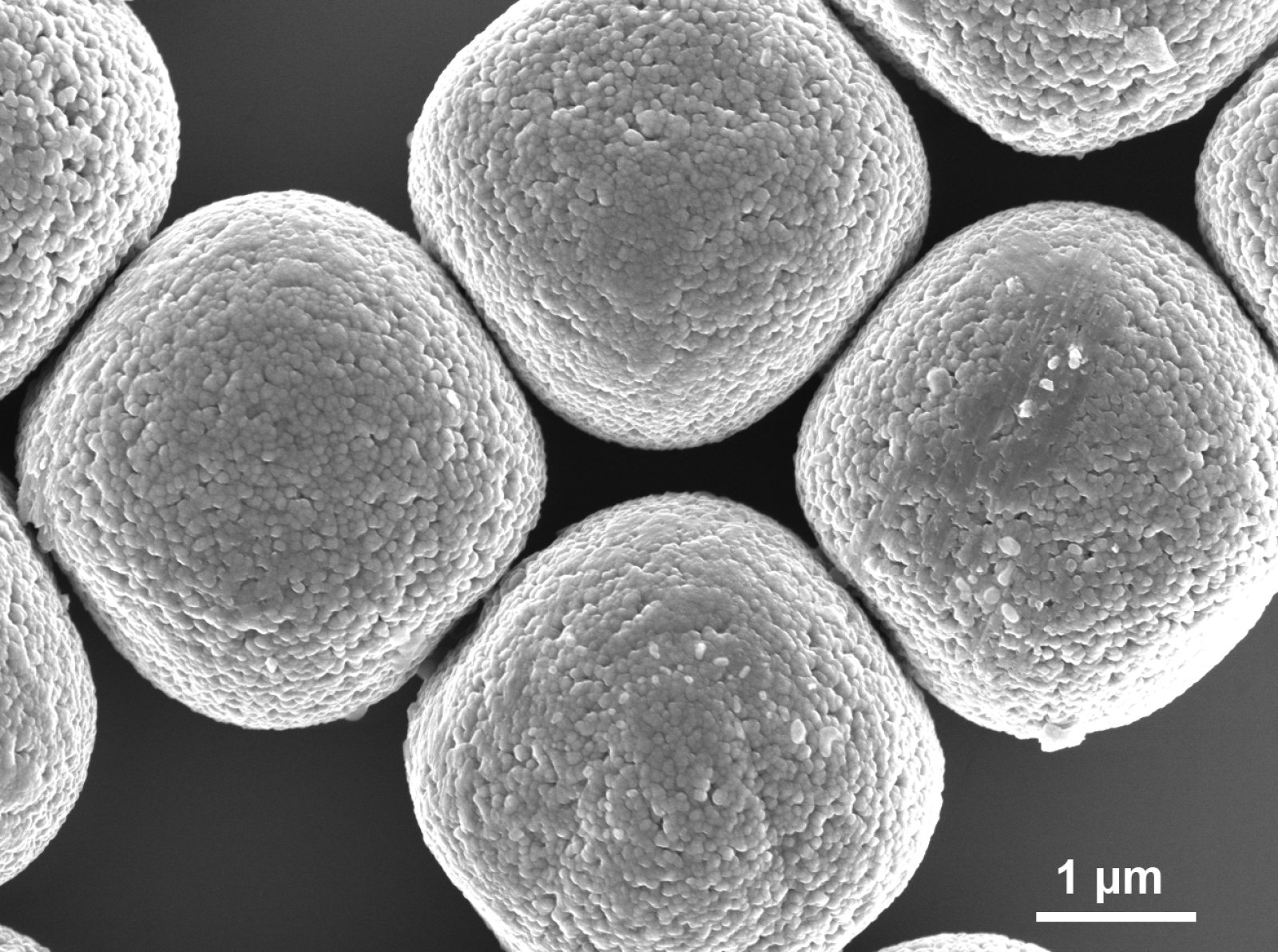
The research team created so-called biobots—biohybrid microrobotic capsules containing brewer’s yeast and magnetic nanoparticles. When the yeast produces carbon dioxide during fermentation, the resulting bubbles cause the biobots to move up and down through the liquid. This naturally mixes the contents of the vessel and makes fermentation more efficient. Compared with conventional static particles, the biobots can therefore accelerate chemical processes that are important in food production.
Another major advantage of the technology is that the biobots can be easily separated from the finished beverage. Thanks to the magnetic particles they contain, they can be controlled with a magnetic field and removed once fermentation is complete, eliminating the need for additional filtration. The researchers also demonstrated that the biobots can be reused over several production cycles.
“Unlike conventional static particles, microrobots actively move throughout the entire volume of the liquid, allowing them to cover a larger area and make the whole process more efficient. At the same time, they also facilitate the automation of production,” adds Martin Pumera. The team is currently discussing potential applications of the technology with a major European brewery.
Martin Pumera’s group has long been exploring the use of microrobots and advanced materials in the food industry. In the past, for example, the team developed a flexible sensor for smart packaging capable of detecting spoiled fish. The new biobots therefore represent another step towards more advanced methods of food quality and safety control.
Author: Aneta Kárná
Photogallery
Expert
