

 Share
12. Nov. 2026
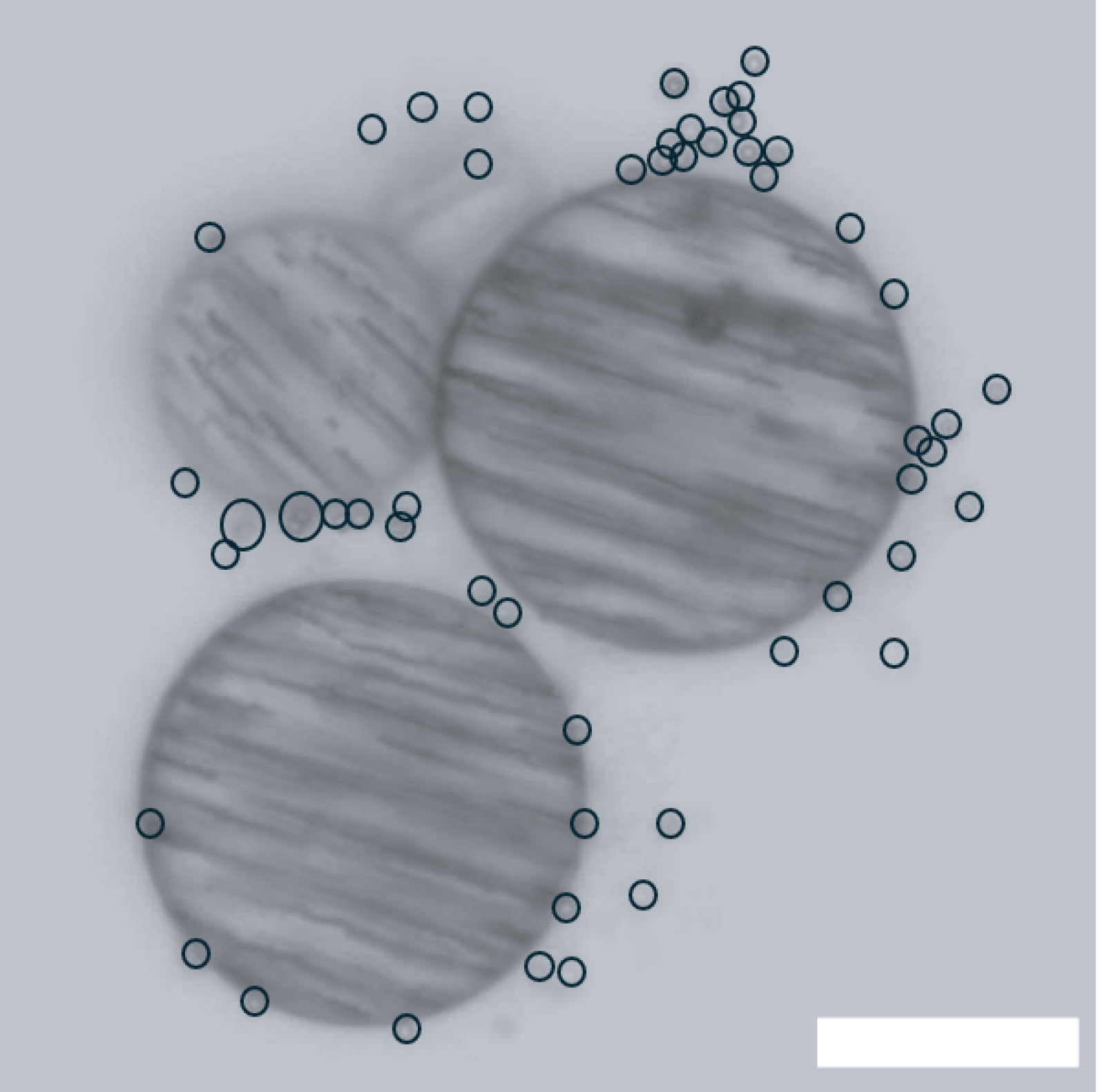
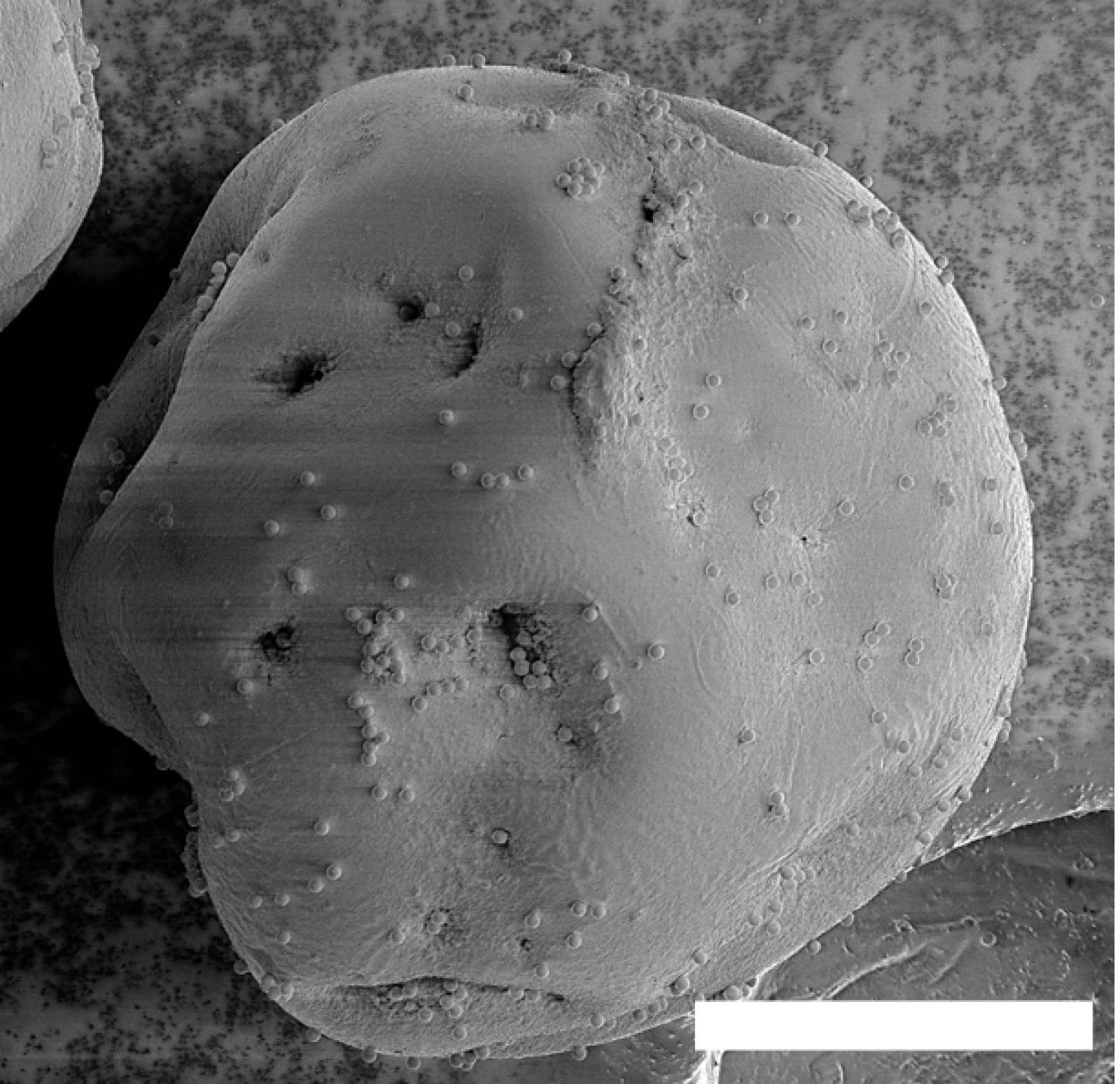
At first glance, they look like ordinary powder, but in the human body, they can bind microplastics. This is how special magnetic microrobots developed by scientists at CEITEC BUT (Brno University of Technology) are designed to work. The scientists want to use them to remove microplastics from female reproductive organs. Initial tests in a simulated vaginal environment showed that they can remove up to 50% of the microplastics present.
Scientists have so far tested soft microrobots in a laboratory environment. They captured 50% of microplastics in vaginal fluid and up to 80% of microplastics in saline. "The efficiency can be increased by using a larger number of microrobots or by expanding their surface area, as they capture microplastics and bacteria on their surface," explains the principle of the research, its author, Fatma Merve Yurtsever.
Microplastics pose a major burden not only for environmental safety but also for the public health as it has been found in human organs and it has been reported as being associated with various health complications, leading to inflammation, and reducing fertility, among other issues.
An alternative to antibiotic treatment
In addition to microplastics, microrobots can also remove other harmful substances, such as microfibers from tampons or E. coli bacteria, which cause infectious diseases. These infections are currently treated with antibiotics, which destroys the microbiome in the female reproductive tract as well as cause antimicrobial resistance in long-term usage. Furthermore, conventional oral medications affect the entire body. “Microrobots can also carry antibiotics on their surface while operating in a precisely targeted area. This makes them more effective, if it’s needed,” says Fatma Merve Yurtsever.
A major advantage of magnetic microrobots is the ease of administration into the body and subsequent retrieval. "They can be injected into the body and left to work, then can be collected back using magnetically steerable catheter type medical devices," describes the scientist, who previously worked at the renowned hospital and federal agency Mayo Clinic and U.S. Food and Drug Administration.
Focusing on a neglected topic of women’s health
The idea of using microrobotics to remove microplastics from the body was sparked by the long-term neglected state of research in women's health and the reproductive system. "39% of women in the world have been diagnosed with biofilm associated infectious diseases in the female reproductive tract once in their life. The presence of microplastics creates a surface for harmful bacteria to grow in the female reproductive tract. Therefore, I would like to address this global health problem under supervision of world renowned scientist in the field of microrobotics Martin Pumera," says Fatma Merve Yurtsever.
"The topic of women's health is extremely important, and I am glad Fatma brought it to our group. The significance of the topic and our findings is highlighted by the fact that ACS Nano selected it for its journal cover. For scientists, that is equivalent to being featured on the cover of The Times or The Economist," notes Martin Pumera.
Being featured on the cover of the prestigious journal ACS Nano underscores the importance of the research, which involved collaboration between scientists from Palacký University, the International Clinical Research Centre (ICRC), and the Mendel University. Their work is the first step towards the possible use of microrobots for removing microplastics from the female reproductive system. The project will now undergo a series of further tests over several years, culminating in a clinical trial before real-world implementation becomes possible.
If successful, this approach will open the door to using microrobots for removing contaminants from other organs as well.
Author: Jan Němec
Photogallery
Expert
