

 Share
Share
16. Apr. 2026
Scientists from CEITEC Masaryk University, together with colleagues from the United States, have discovered a critical vulnerability in bacteria: without the protein RimM, they recover only very slowly under nutrient limitation or after stress. The proper assembly of ribosomes – the cell’s protein factories – plays a key role in their ability to resume multiplication. These findings open up a new way to disrupt bacteria’s capacity to restart proliferation, which could in the future help medicine better combat infections.
Every bacterium has one essential ability – when exposed to unfavourable conditions, it can slow down and survive until conditions improve. Once they do, it quickly resumes its activity. It is precisely in this process that scientists from CEITEC at Masaryk University have identified bacteria’s Achilles’ heel.
The research team focused on the bacterium Escherichia coli and found that without the protein RimM, its cells recover from stress much less efficiently. Their ability to resume cell division is slow in such cases, as RimM is involved in the assembly of ribosomes – structures essential for the production of proteins required for cell survival. Without it, bacteria multiply much more slowly following stress.
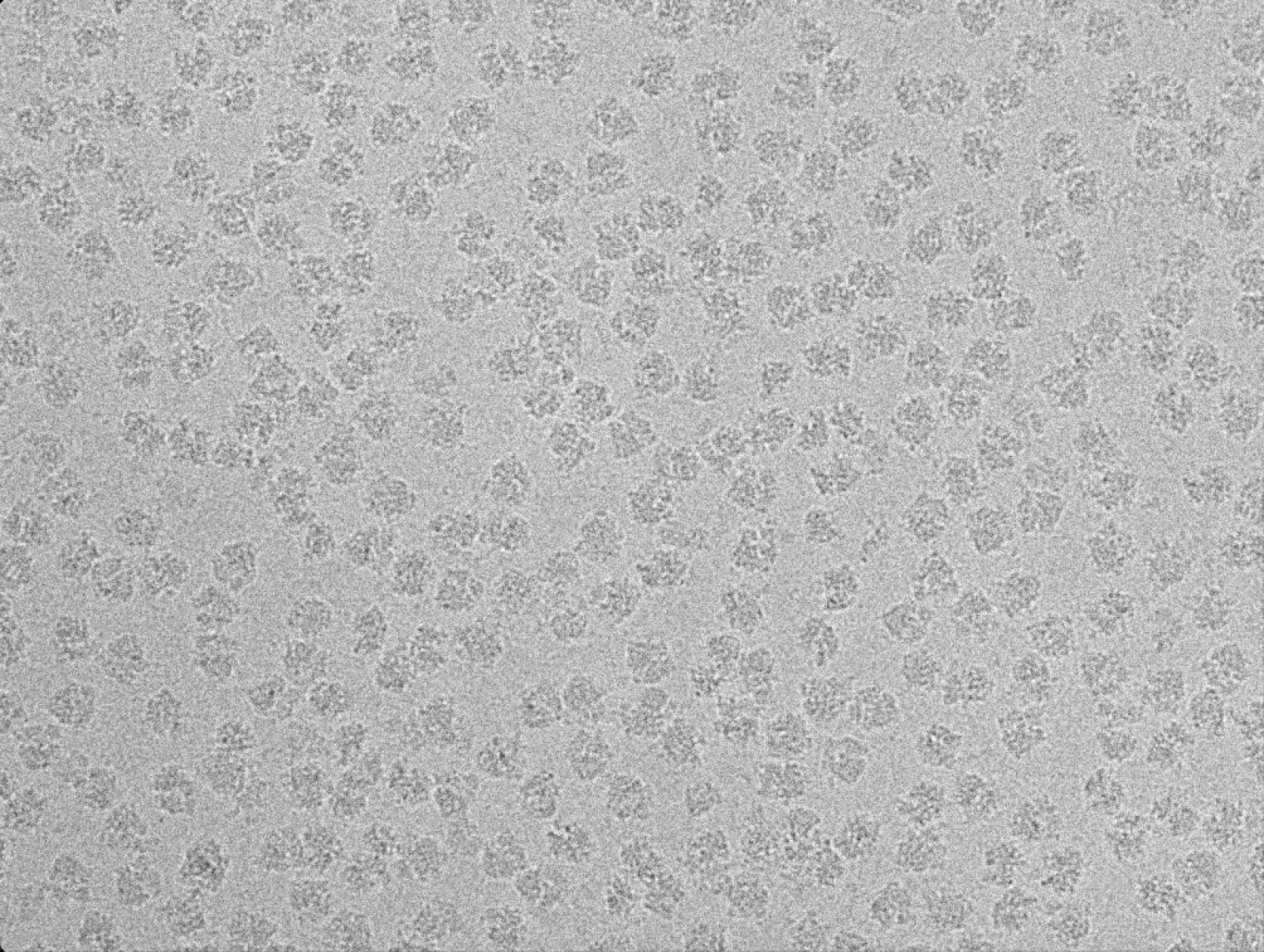
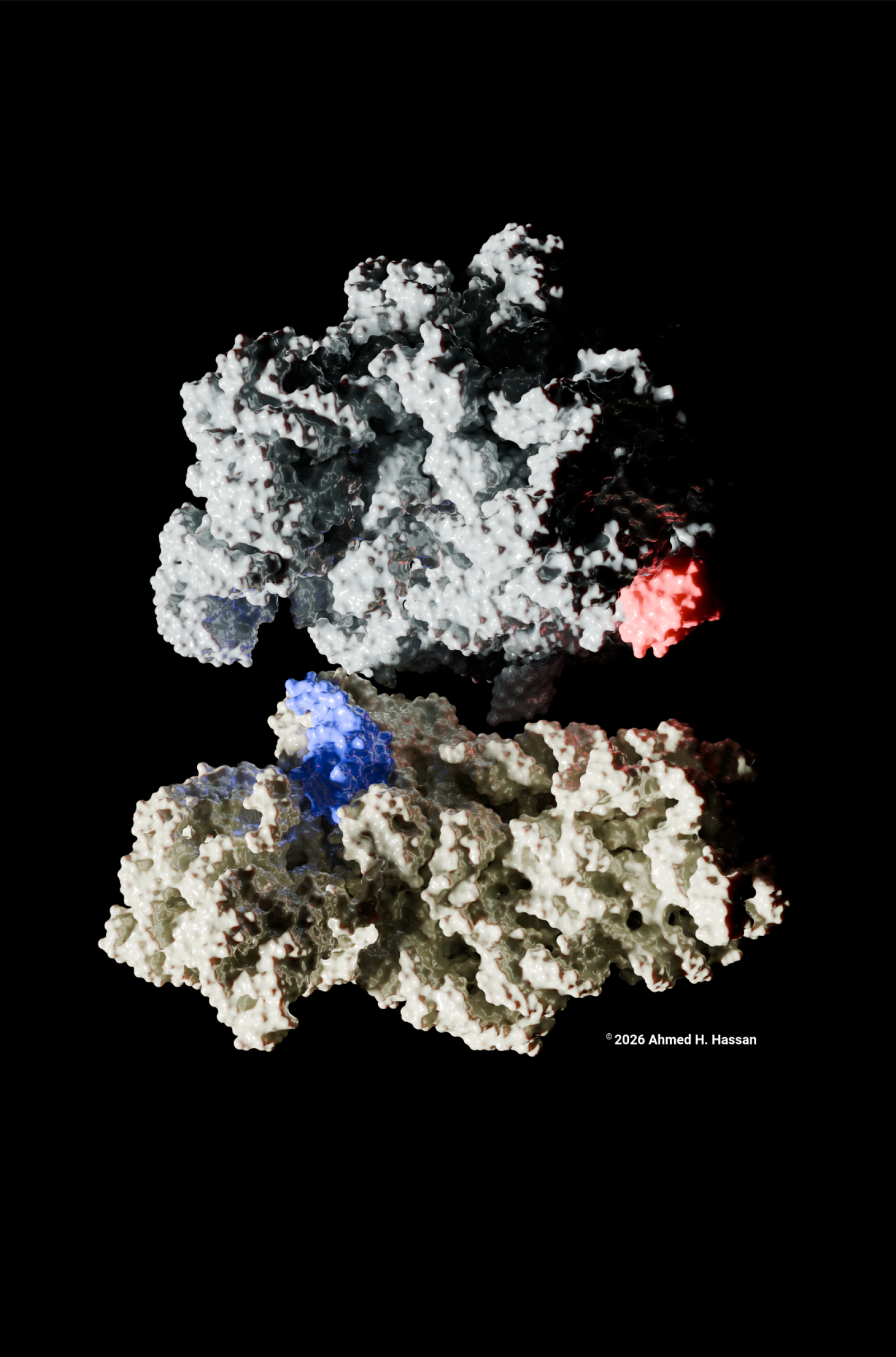
Using cryo-electron microscopy, the scientists observed how ribosomes behave in the absence of RimM. They found that ribosomes assemble slowly and in a disordered manner – particularly in regions critical for accurate reading of genetic information – effectively placing the cell in a kind of “waiting mode.” “We found that the protein RimM is much more important for bacteria than previously thought,” says first author Ahmed H. Hassan. “Without it, the bacterial cell struggles to return to normal function, as ribosomes mature only slowly.”
The study also revealed that under these conditions, bacteria activate a protective mechanism that prevents premature joining of incomplete ribosomal parts. Additional proteins are engaged to deliberately slow the process, reducing the risk of forming defective ribosomes. As a result, the bacterium eventually recovers, but much later than usual. This vulnerability – where bacteria without RimM operate in a slowed-down mode – could in the future be exploited in new therapeutic strategies against bacterial infections.
RimM is commonly found in bacteria but does not occur in humans, which is a major advantage for drug development, including antibiotics. If scientists develop a drug that blocks this protein, it would affect only bacteria and not human cells. “Such a treatment could significantly hinder bacterial recovery after stress caused, for example, by antibiotics, thereby limiting their further spread without causing side effects in patients,” explains lead researcher Gabriel Demo.
The study, conducted in collaboration with scientists from Thomas Jefferson University, Columbia University, and the University of California, Riverside, was published in the journal Nature Communications.
Photogallery
Author

Expert
