

 Share
Share
20. Apr. 2026
In closed communities such as the Amish in North America, rare genetic disorders occur more frequently. In children from this community, a condition has been described that affects the development of the nervous system and manifests, for example, as muscle weakness or epileptic seizures. The disorder is linked to a small change in a single protein, but for a long time it was unclear which cellular process this change disrupts. This question has now been answered by researchers from CEITEC Masaryk University, who show that the disease is caused by a disruption of a key mechanism required for the proper processing of genetic information in the cell.
Every cell must first transcribe genetic information and then modify it before it can be used. From the original “working transcript,” unnecessary parts are removed and the remaining pieces are precisely joined together. This process, known as RNA splicing, consists of many consecutive steps and is tightly regulated. If the process does not proceed correctly or stops at any point, the cell cannot properly convert the copied genetic information into a usable form and therefore cannot function as it should.
Researchers from CEITEC Masaryk University have now described one of the key steps in this process – a specific signal inside the cell. This signal acts as a checkpoint: only once it is fulfilled, the entire mechanism is activated and the process can continue.
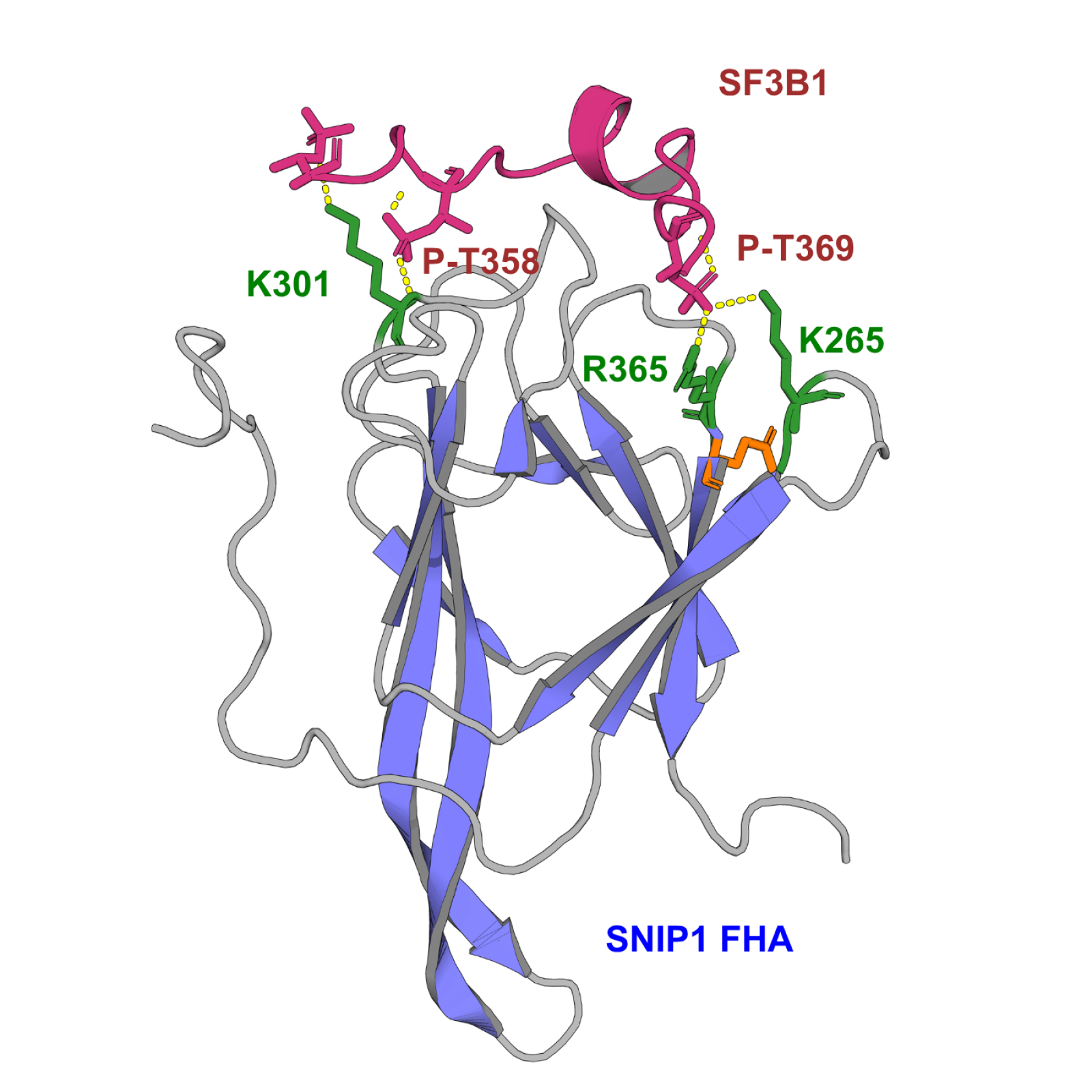
“We showed that during RNA splicing, a chemical modification of the protein SF3B1 is required at a precisely timed step. This modification allows another protein, SNIP1, to bind. If this signal is not transmitted correctly, the cell cannot proceed with the splicing process,” explains first author Pavla Gajdušková.
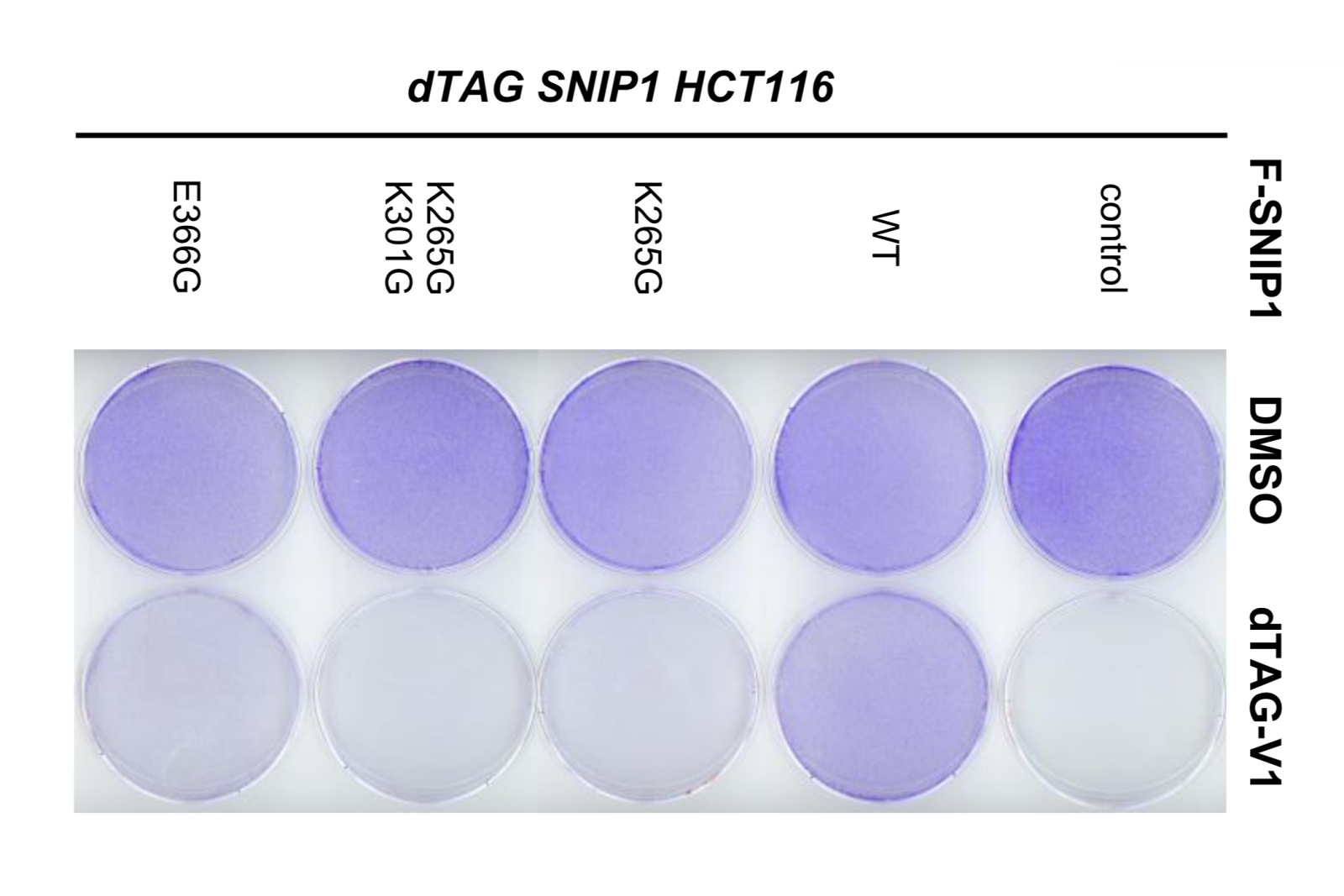
This is where the research connects to patients in the Amish community. In affected children, a small genetic change in the SNIP1 protein disrupts its ability to respond properly to the signal mediated by the modified SF3B1 protein, making RNA splicing less efficient than in healthy individuals. As a result, errors occur during RNA splicing that the cell cannot correct, impairing its function – especially in the nervous system.
The researchers were thus able to clarify the cause of this rare neurodevelopmental disorder. “Additionally, the cause of this disease also confirms the correctness of the checkpoint we described. It shows that even a small change in one of the proteins involved can disrupt the RNA splicing mechanism on which the cell depends,” adds group leader Dalibor Blažek.
Although the study focuses on basic research, its implications are broader. It suggests that the same mechanism may also play a role in regulating cell division – a process that is often disrupted in cancer.
The research was carried out by scientists from CEITEC Masaryk University in collaboration with researchers from Spain and Germany. The study was published in the journal Nature Communications.
Photogallery

Author

Expert
