

 Share
Share
14. Aug. 2026
In our previous interview on how plants cope with hot weather, Jan Hejátko took us below ground to explore how roots help plants survive heatwaves. This time, we move above ground to the flowers, where high temperatures can determine whether a plant will produce the next generation. How do plants respond to heat stress? Where are the limits of their ability to adapt? And why is it important to study conditions that closely resemble those in nature? We spoke with Hélène Robert Boisivon from CEITEC Masaryk University, a leader of Plant Biotech for Stress Resilience Lab.
We recently discussed how heatwaves affect plant roots. Your research looks at a different part of the story – plant reproduction. Why focus on that?
Reproduction is one of the most sensitive stages in a plant's life cycle. A plant may survive a period of high temperatures, but if it fails to produce enough viable seeds, its future generations will be affected. That is why we are interested in what happens inside flowers during prolonged heat and how plants cope with these conditions.
We already know quite a lot about high temperatures and their effects on plants. What is new about your research?
Most previous studies have focused on short-term heat shock, exposing plants to very high temperatures for just a few hours, sometimes even less. We wanted to take a different approach. We were interested in how plants respond to prolonged periods of elevated temperatures that more closely resemble what they experience in nature today. Days are hot, nights are slightly cooler, and this pattern continues for days or even weeks. These conditions provide a much more realistic picture of the challenges posed by climate change.
What did you discover?
We found that plants are not defenceless against high temperatures. When exposed to prolonged heat, they activate a range of protective mechanisms and attempt to adapt to the new conditions. However, this does not mean they can maintain all of their normal functions.
Reproduction proved to be one of their weakest points. Although plants were able to respond to heat stress, elevated temperatures significantly reduced fertilisation success and, consequently, the number of seeds they produced.
What happens inside a flower when temperatures rise?
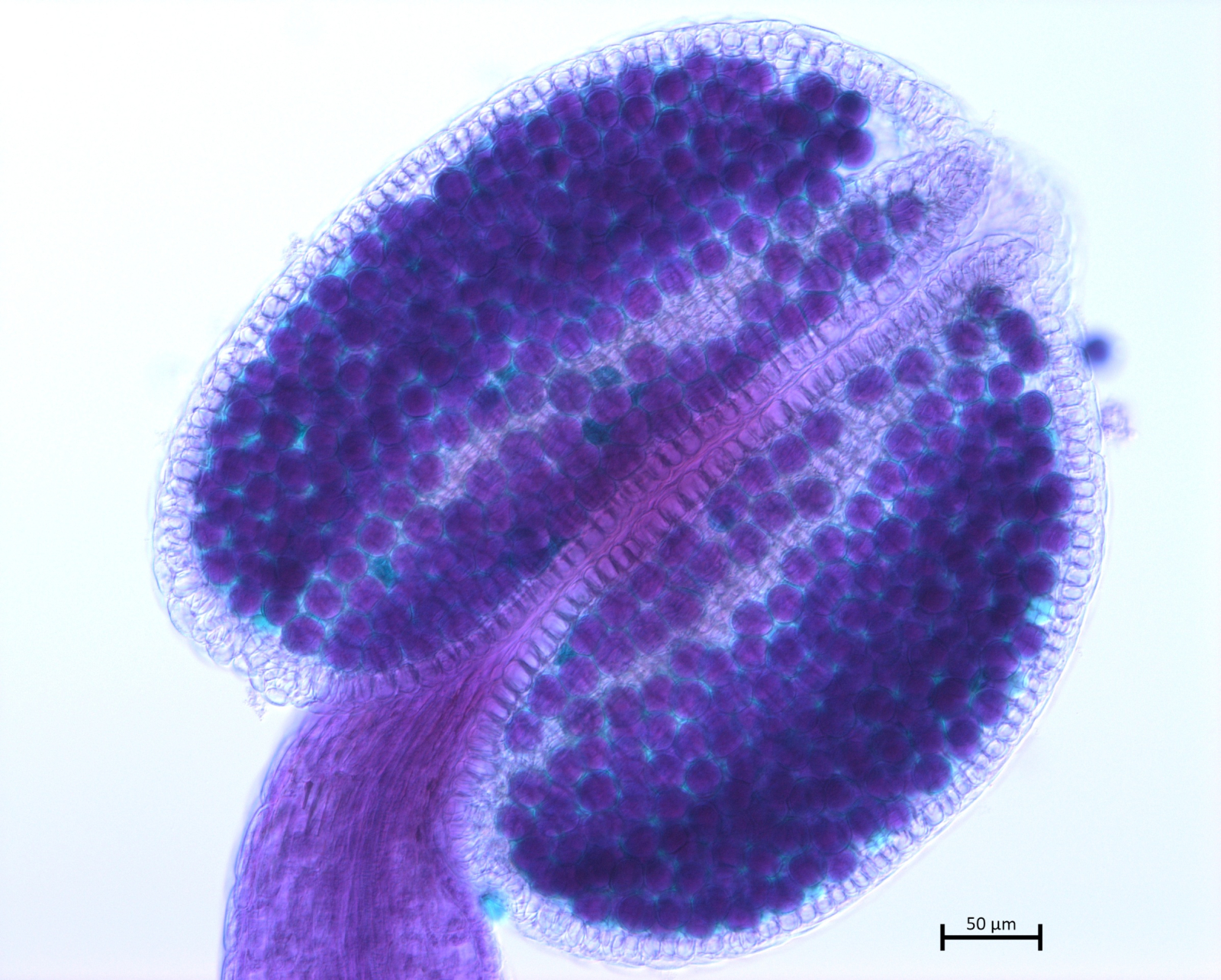
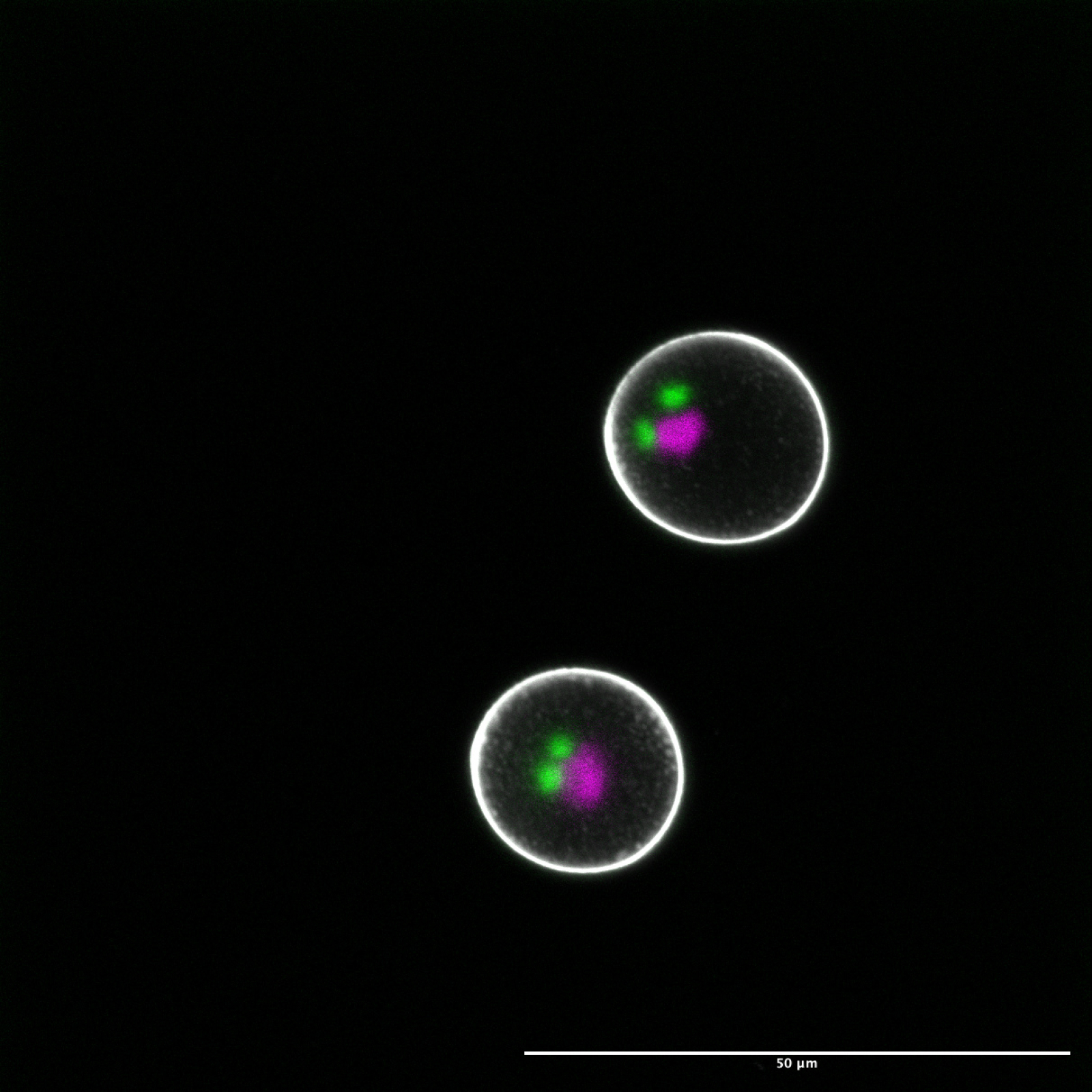
Pollen is one of the most heat-sensitive components of plant reproduction. High temperatures can reduce both its viability and its ability to successfully fertilise the egg cell.
Our results, however, revealed a more complex picture. When plants were exposed to prolonged elevated temperatures, pollen was able to adapt, at least partially. This suggests that plants activate protective mechanisms that help mitigate the damaging effects of heat.
Even so, reproductive success did not return to normal levels. This tells us that the problem is not limited to pollen alone – high temperatures affect the entire reproductive process.
Your study also highlights the role of the HSP101 protein. Why is it important?
HSP101 belongs to a group of proteins known as heat shock proteins – molecular "helpers" that protect other proteins from heat-induced damage. High temperatures can cause proteins to lose their proper shape and stop functioning correctly. HSP proteins help restore them to a functional state, allowing cells to better cope with heat stress.
Our research showed that this mechanism is also important during plant reproduction. When HSP101 was absent, plants became much more vulnerable to high temperatures. At the same time, we found that even a fully functional HSP101 protein cannot completely eliminate the negative effects of prolonged heat. It is an important part of the plant's defence system, but not a complete solution.
Does this mean plants will struggle even more as the climate continues to warm?
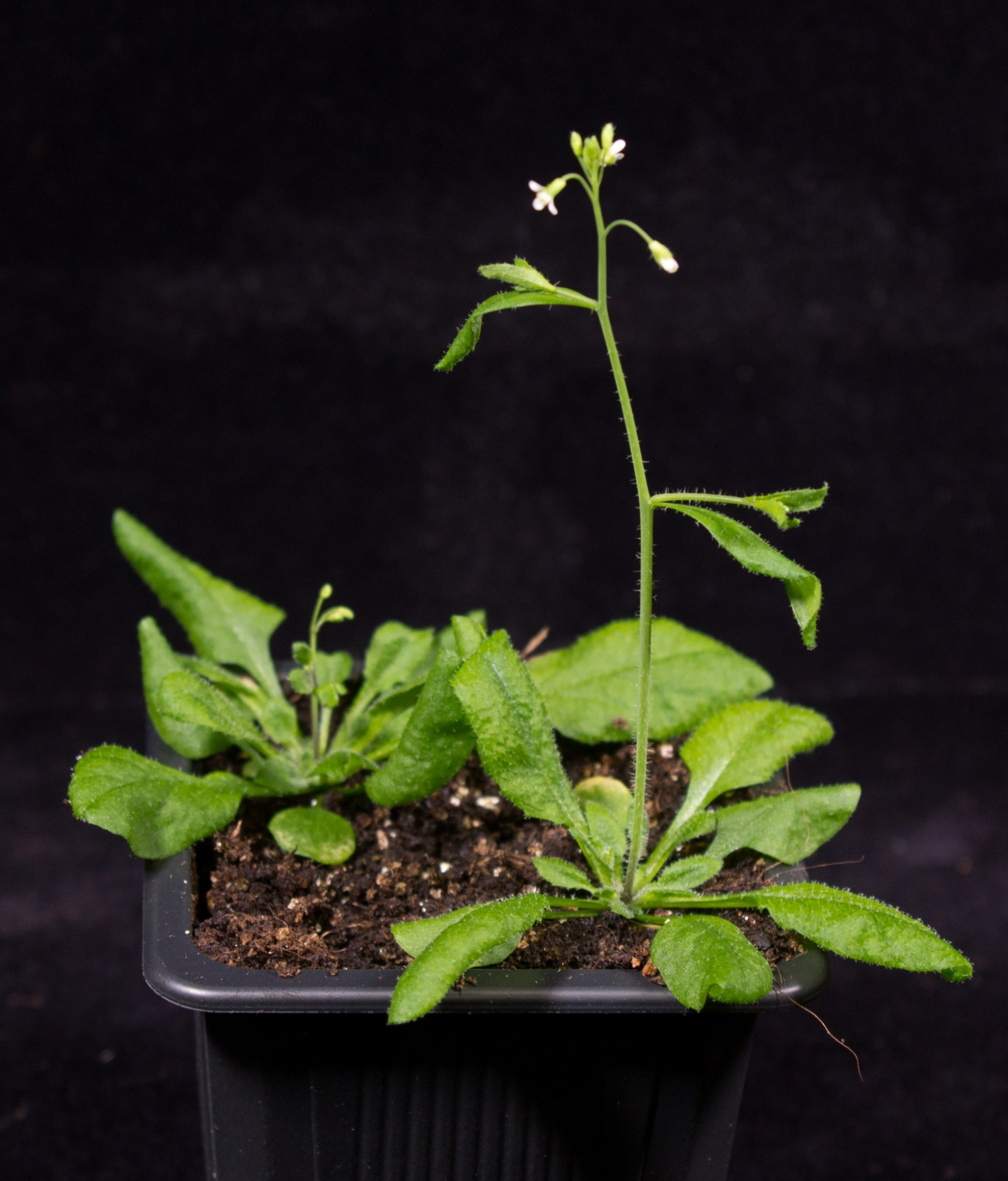
It is still too early to draw such conclusions. Our research was carried out using the model plant Arabidopsis thaliana, which helps us understand fundamental biological processes.
However, these findings provide an important foundation for future research on crop species. If we want to develop crop varieties that are better able to withstand higher temperatures, we first need to understand which mechanisms help plants cope with heat and where the limits of those mechanisms lie. This is why we also perform such research in oilseed rape.
What do you think people outside plant science can take away from this research?
Perhaps the most important message is that the effects of climate change are not always immediately visible. A plant may appear perfectly healthy, while inside it, processes are taking place that determine how many seeds it will produce and how successful the next generation will be.
That is why it is important to understand not only how plants survive high temperatures, but also how those temperatures shape their future.
About the research
The research findings were published in the scientific journal Planta. Read the full scientific article.
Photogallery
Author

Expert
