

 Share
Share
5. Jan. 2026
2025 was marked by scientific progress, collaboration, and shared effort across institutions. This overview highlights a few achievements that defined the year. Behind each of them stands the expertise and commitment of CEITEC staff at all levels.
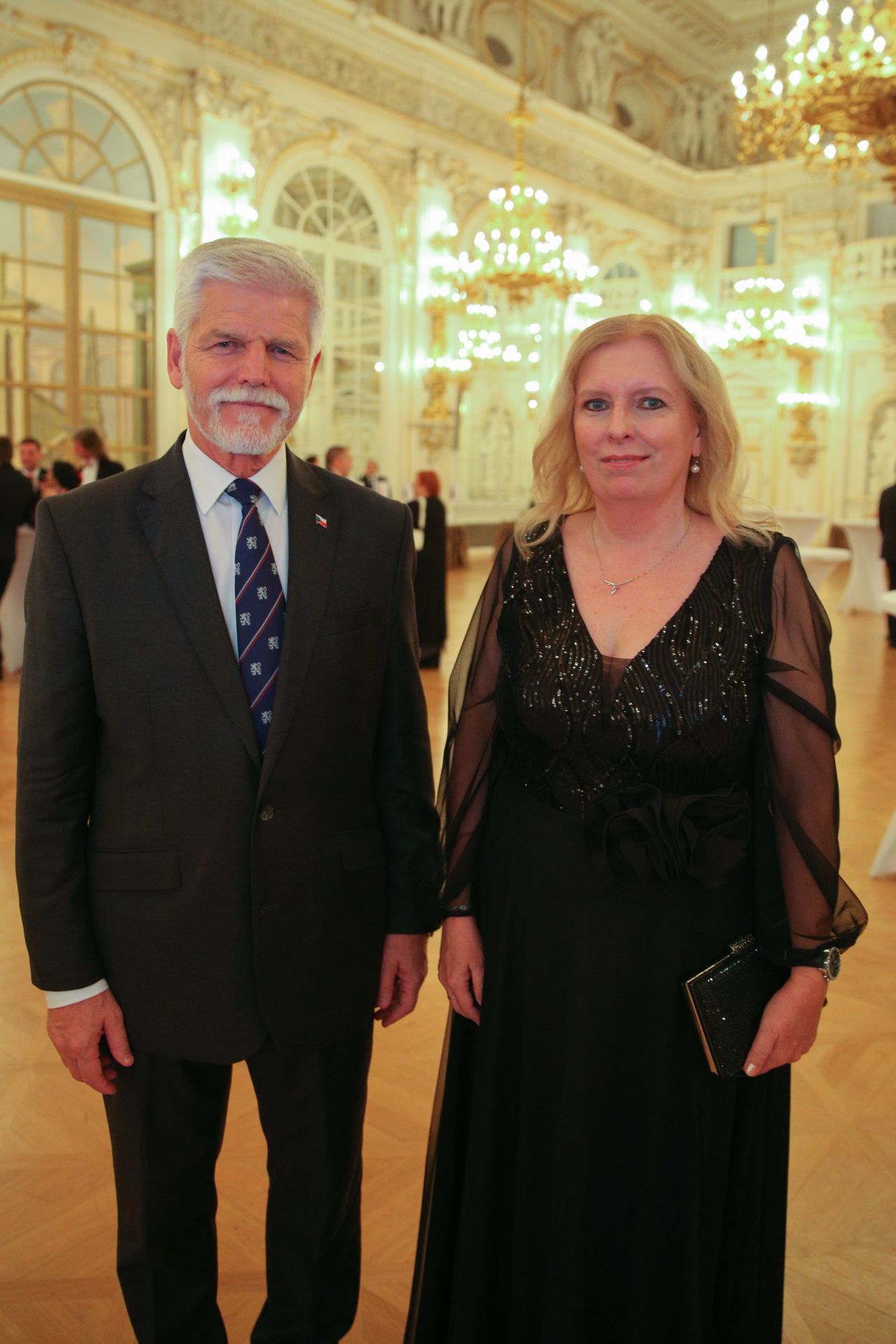
Molecular biologist and geneticist Šárka Pospíšilová has been awarded the Medal of Merit for contributions to the state in the field of science, recognising her long-term contribution to genetics, genomics, and research into haematological diseases.
Her research team at CEITEC ranks among the European leaders and is behind projects such as A-C-G-T and Genome of Europe, which push the boundaries of our understanding of the human genome and may open up new possibilities for patient diagnosis and treatment.
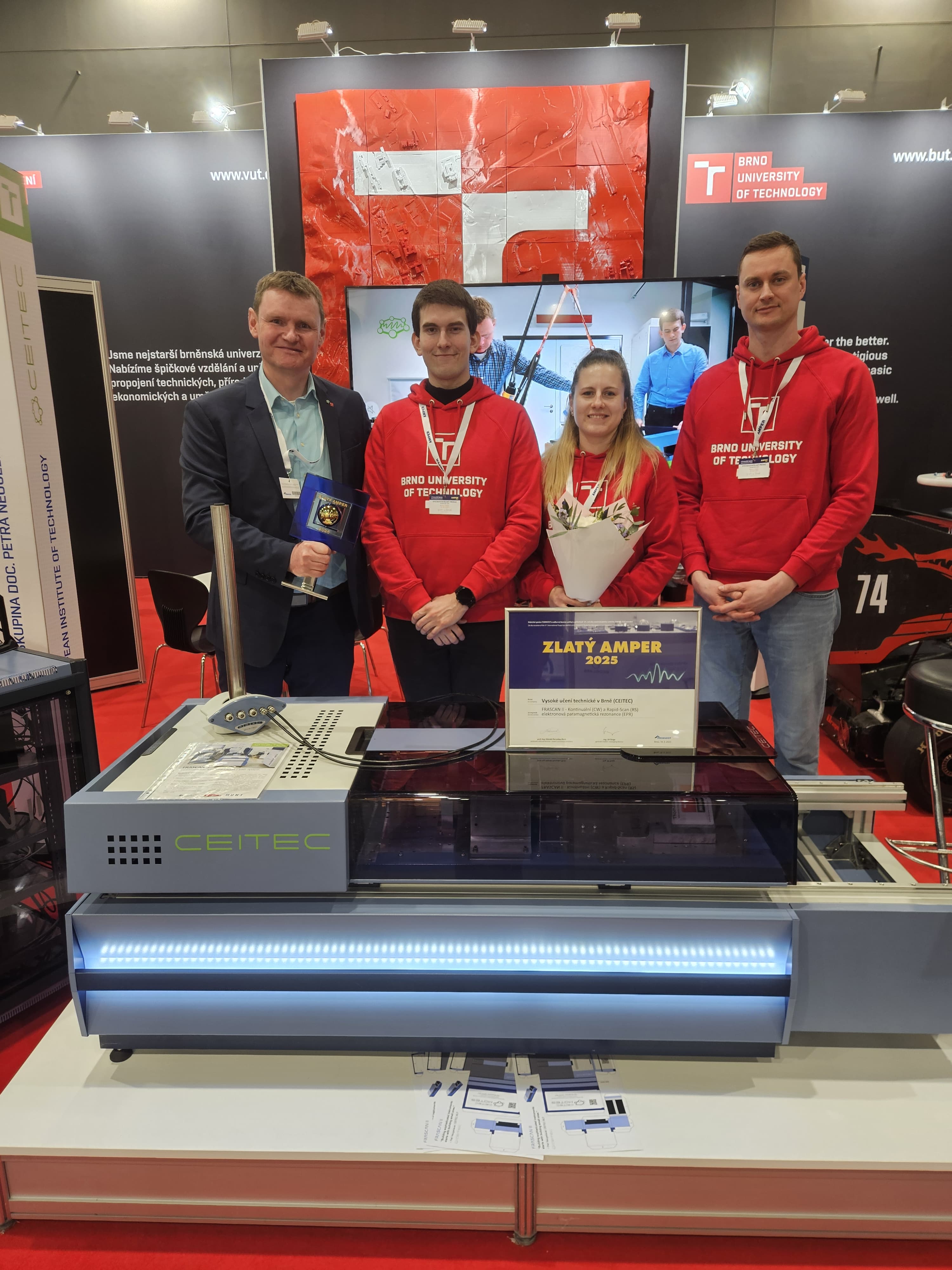
Last year, the research team led by Petr Neugebauer presented the revolutionary FRASCAN II spectrometer, an electron spin resonance spectrometer with a frequency of 329 GHz at the AMPER trade fair, is the largest international trade fair for electrical engineering, electronics, and energy in the Czech Republic and Slovakia. This unique spectrometer enables the study of biomolecules, such as proteins, with increased sensitivity, and will have applications in drug development, disease diagnostics, as well as materials engineering. The instrument impressed the expert jury at the fair, which awarded it the prestigious Golden AMPER Award.
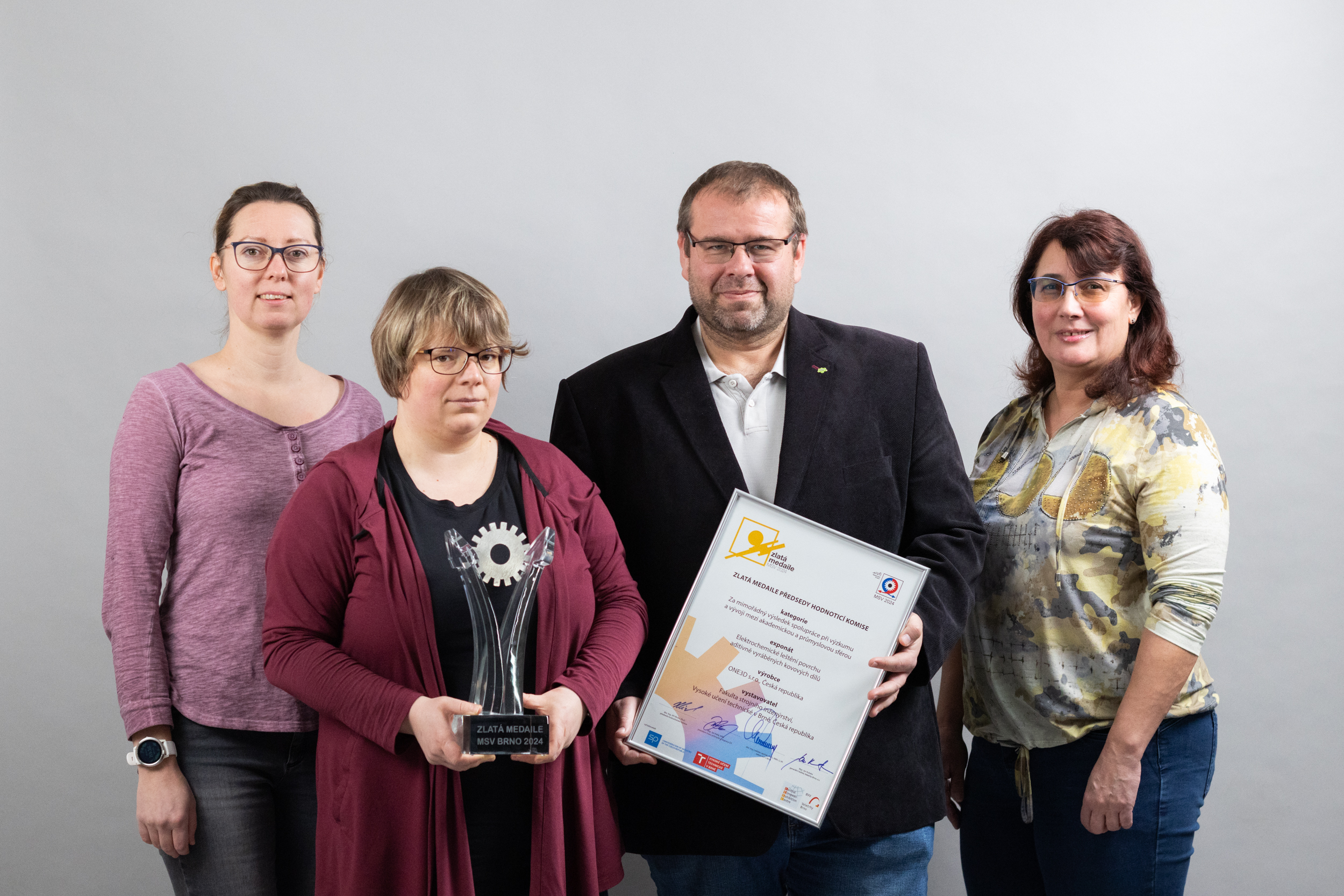
The research team consisting of Michaela Remešová, Lenka Klakurková, and Vendula Bednaříková, who work within Ladislav Čelko's High-Performance Materials and Coatings for Industry research group, has made a significant contribution to the successful completion of a TAČR project focused on the technology of electrochemical polishing of additively manufactured parts for 316SS and AlSi10Mg materials. The developed technology addresses the current shortcomings of additive manufacturing and has potential applications in a number of areas, from medicine to space applications. The technology was awarded the Gold Medal of the Chairman of the Evaluation Committee at the International Engineering Fair (MSV) in Brno.
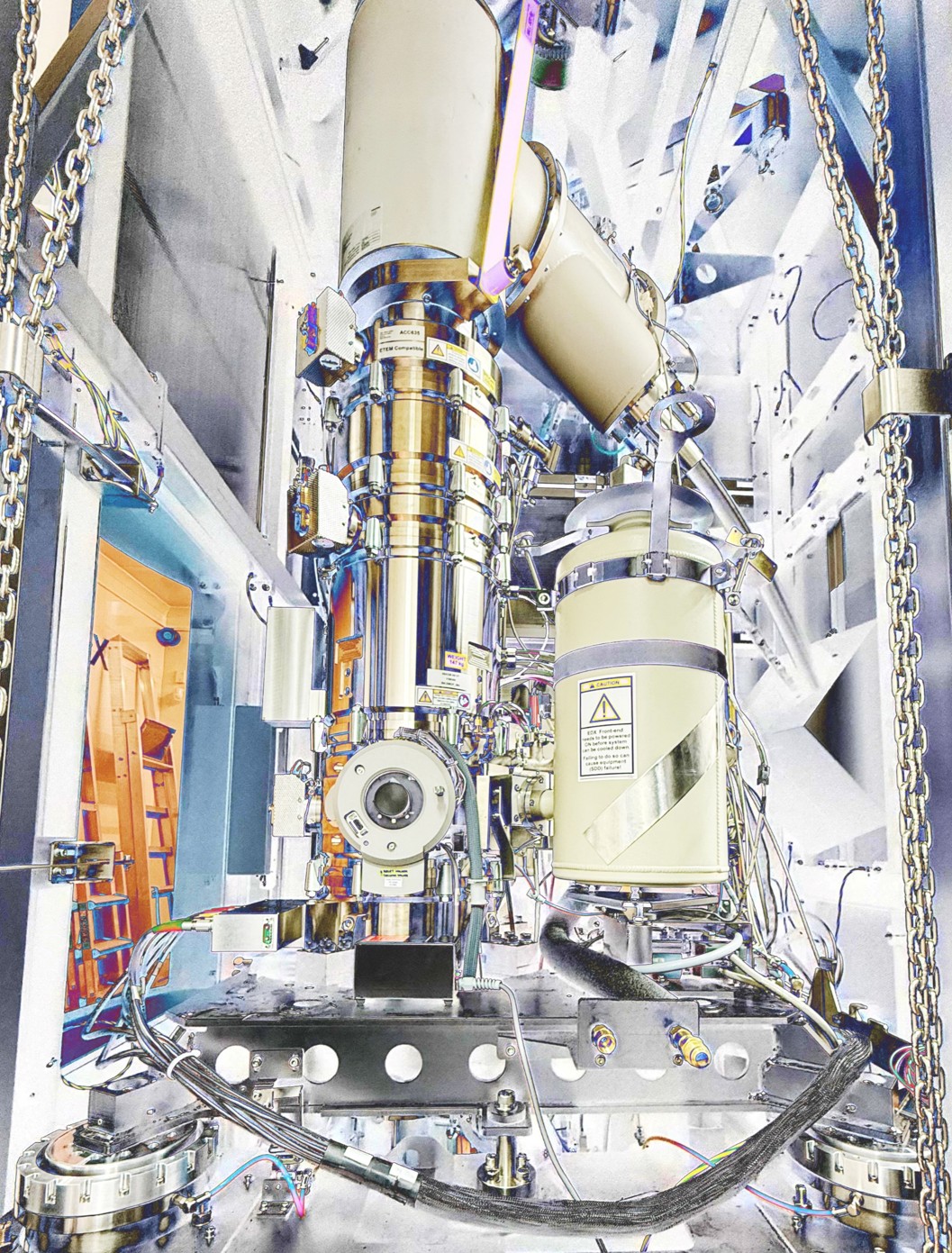 The TITAN Themis 60-300 transmission electron microscope, the largest microscope in the CEITEC Nano laboratories (part of the CzechNanoLab nationwide research infrastructure), was equipped with new cutting-edge technologies last year so that it could continue to provide users with services that meet the standards of leading scientific institutions worldwide. These upgrades include a probe corrector for imaging and analysis on the atomic level, and a new spectrometer and image filter equipped with highly sensitive cameras.
We will introduce the newly installed technologies in an upcoming article.
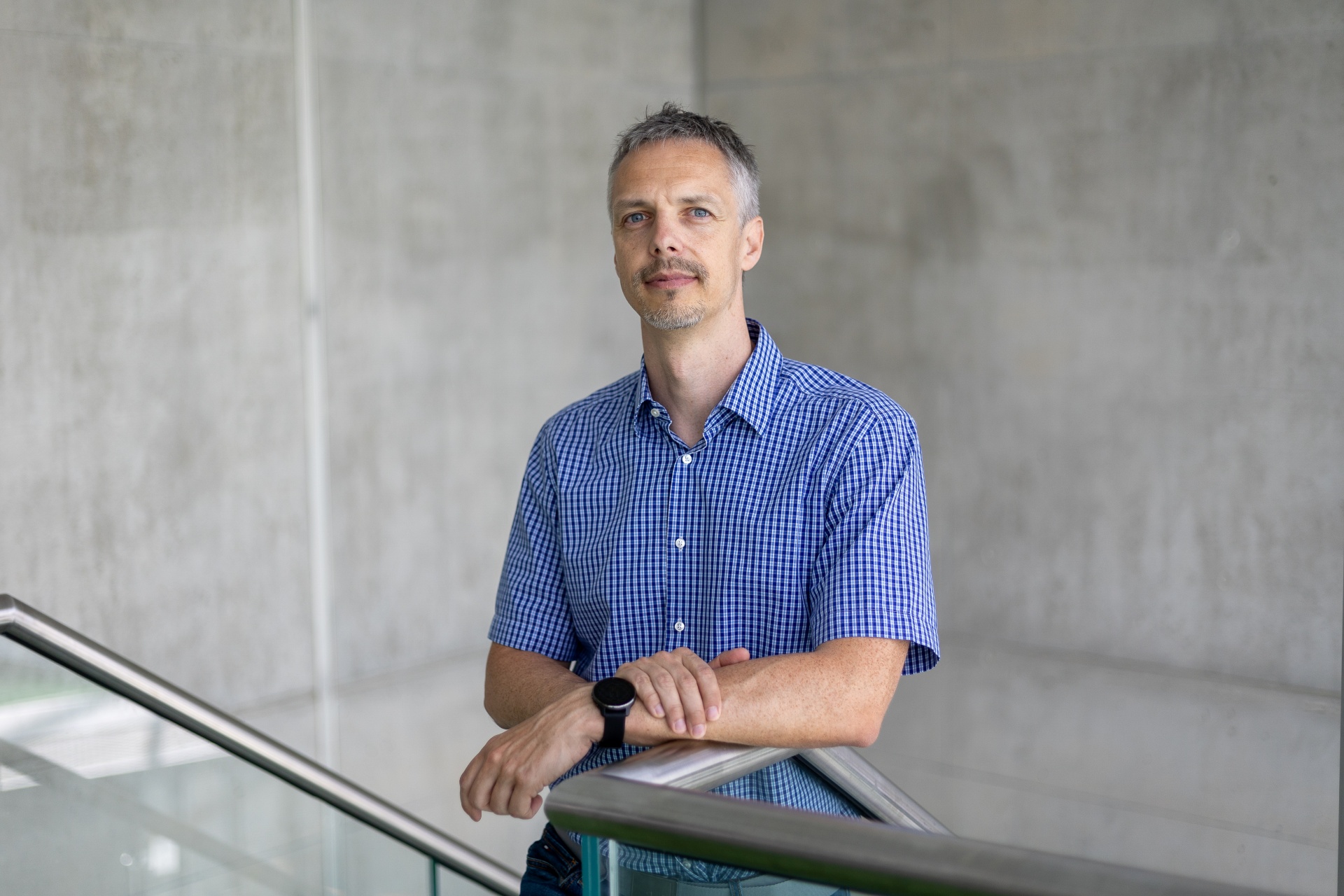
Robert Vácha has been awarded an ERC Proof of Concept grant from the European Research Council to support preclinical testing of new antimicrobial peptides with the potential to make a significant contribution to the fight against bacterial antibiotic resistance. The peptides developed by his team specifically disrupt the lipid protective layer of bacteria, for example by perforating it, thereby eliminating the bacteria without harming human cells. The main issue with traditional antibiotics is that bacteria can develop resistance to them. However, disrupting their lipid layer significantly limits this ability.
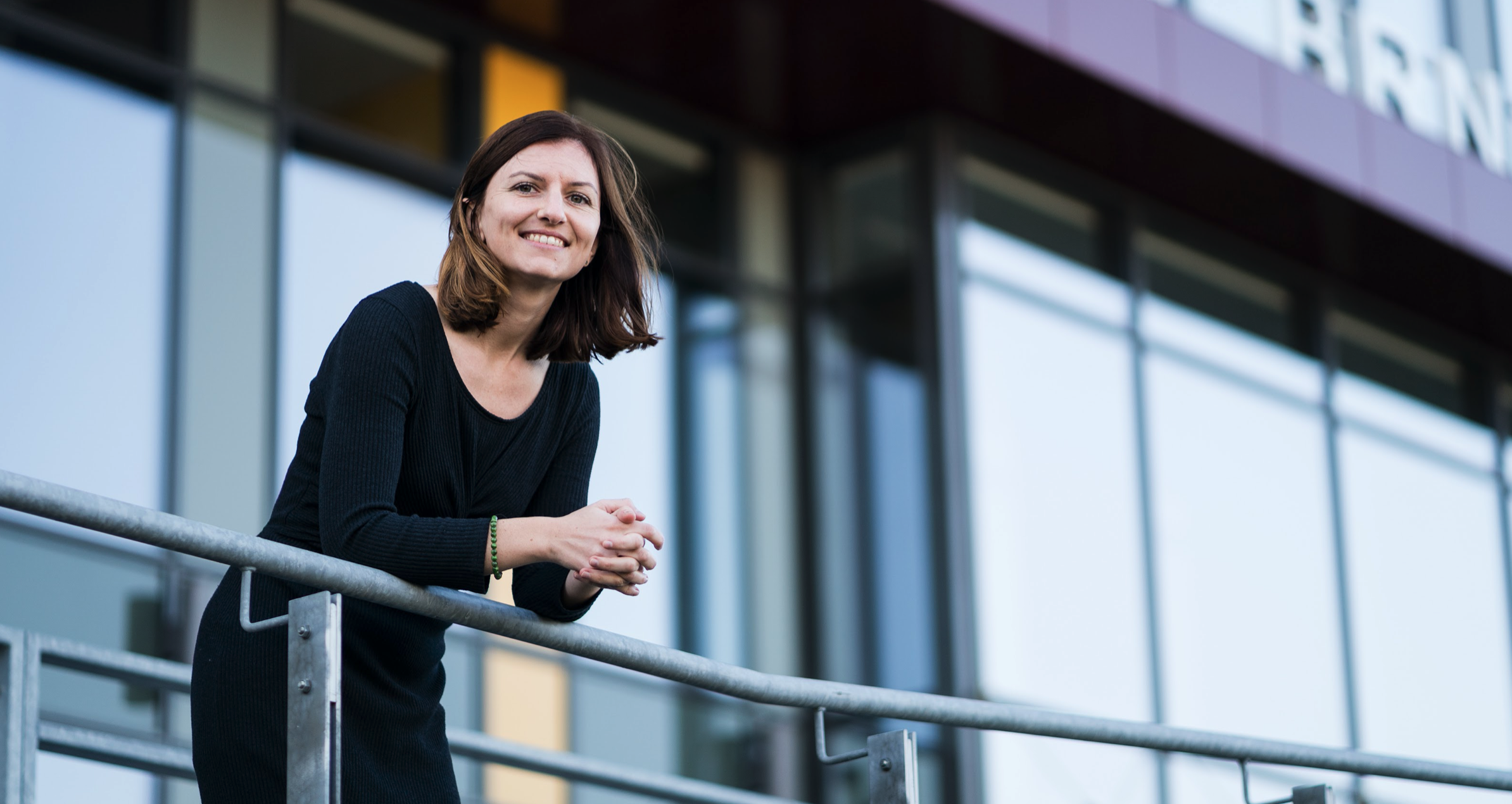
Andrea Konečná received the Czech Ministry of Education, Youth and Sports ERC-CZ grant for her project LightEM (Light-Based Electron Microscope). This project is based on a breakthrough solution based on the interaction of electrons with light, with the aim of creating a completely new generation of electron optics. Thanks to ultrashort laser pulses, it is possible not only to precisely shape electron beams in space and time, but also to minimize damage to samples. This means higher resolution and completely new imaging modes that were not previously possible.
The project will officially launch in 2026.
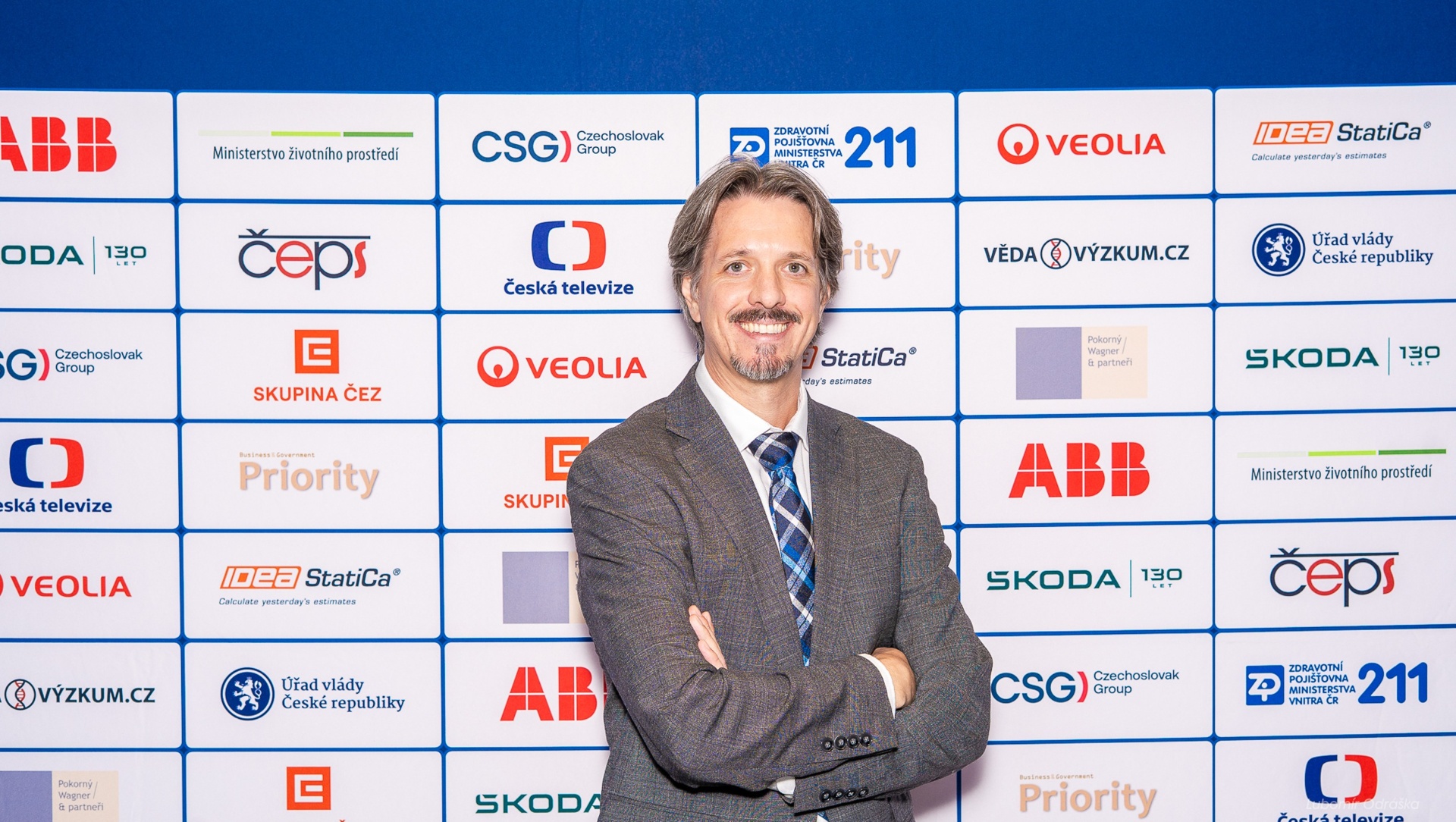
Photo: Česká hlava
Marek Mráz has been awarded the Česká hlava – INVENCE, ABB Award, one of the most prestigious Czech awards for science and research. His research group has uncovered new ways in which chronic lymphocytic leukaemia (CLL) cells adapt and resist modern treatment. They were also the first to describe the key roles of two proteins, GAB1 and FOXO1, and demonstrated that blocking them could significantly enhance the effectiveness of therapy.
These discoveries are opening new possibilities for more effective therapies not only for leukaemia, but also for other serious blood cancers.
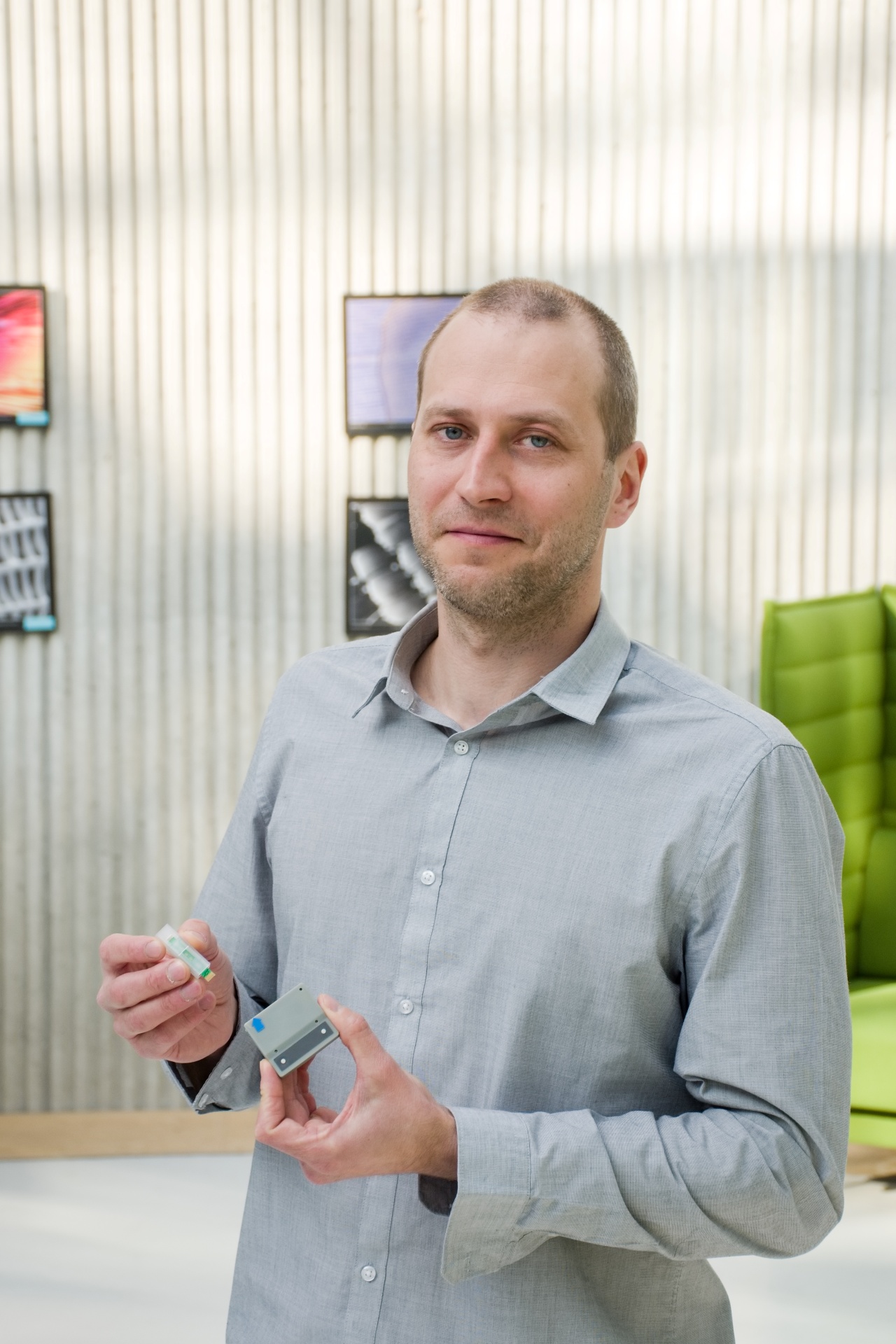 A new spin-off company of Masaryk University is entering the market with a novel diagnostic solution for chlamydial infections. The technology behind the device was developed over nearly a decade through the research of Karel Lacina at CEITEC.
The diagnostic device enables rapid and straightforward detection of whether a person is infected and how intense the chlamydial infection is. The technology has broad potential – by modifying certain components, it could be adapted for the detection of other sexually transmitted diseases, as well as other infectious diseases.
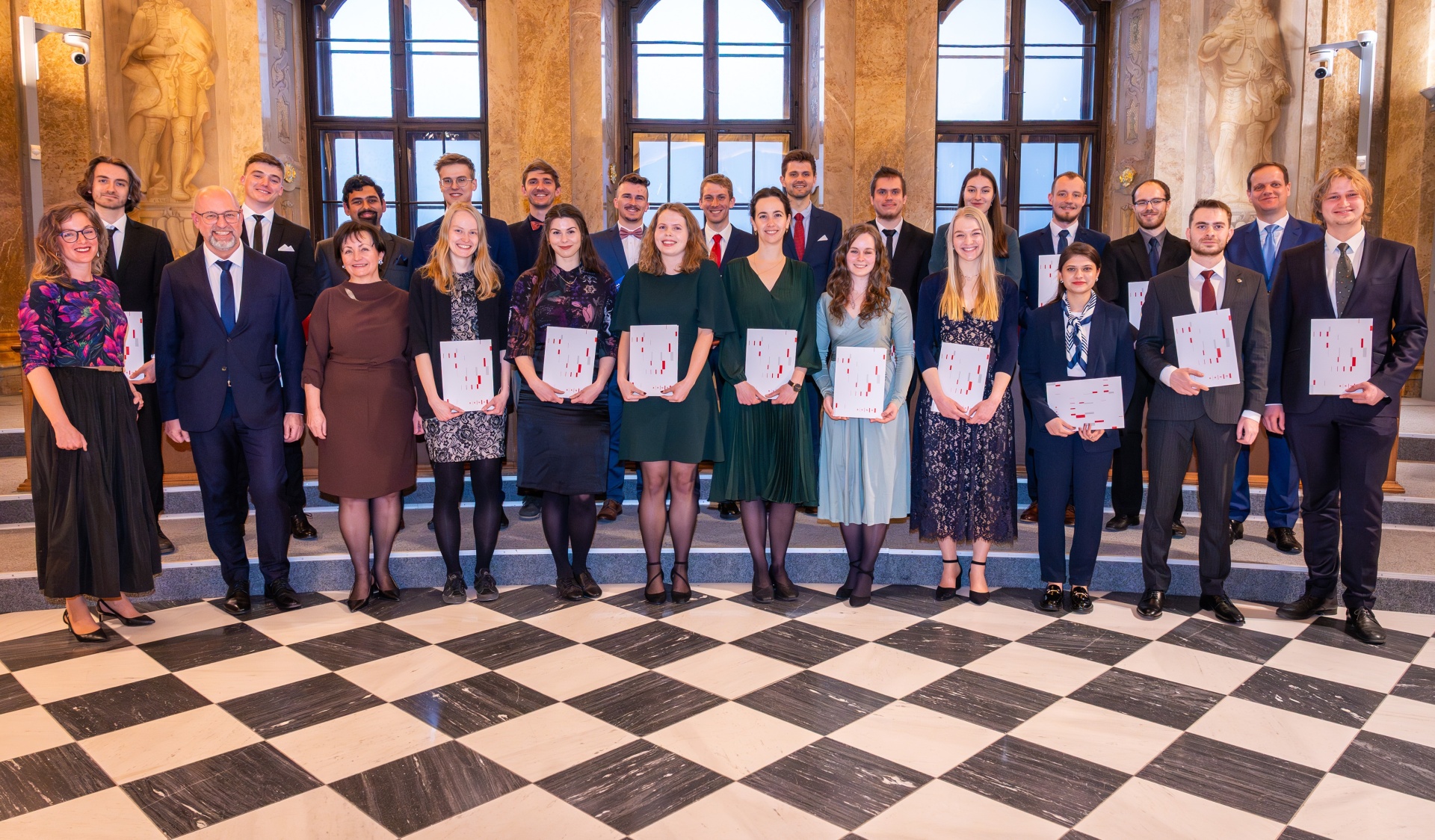
Photo: Václav Koníček
For the sixteenth time, the City of Brno has recognised promising young scientists from local universities with the Brno PhD Talent scholarship. Among the 25 awardees were seven PhD candidates based at CEITEC, who will use the scholarship to support research in areas such as electron microscopy, nanobiotechnology, or the development of plasmonics. Some will use it to fund internships or training; others plan to purchase materials and equipment. For some, it simply alleviates financial pressure, allowing them to concentrate on what they’re truly passionate about.
Awardees: Michael Foltýn, Tereza Havlíková, Jakub Hruška, Jiří Kabát, Viktor Kostohryz, Milinda Lahiri a Petra Pavelková
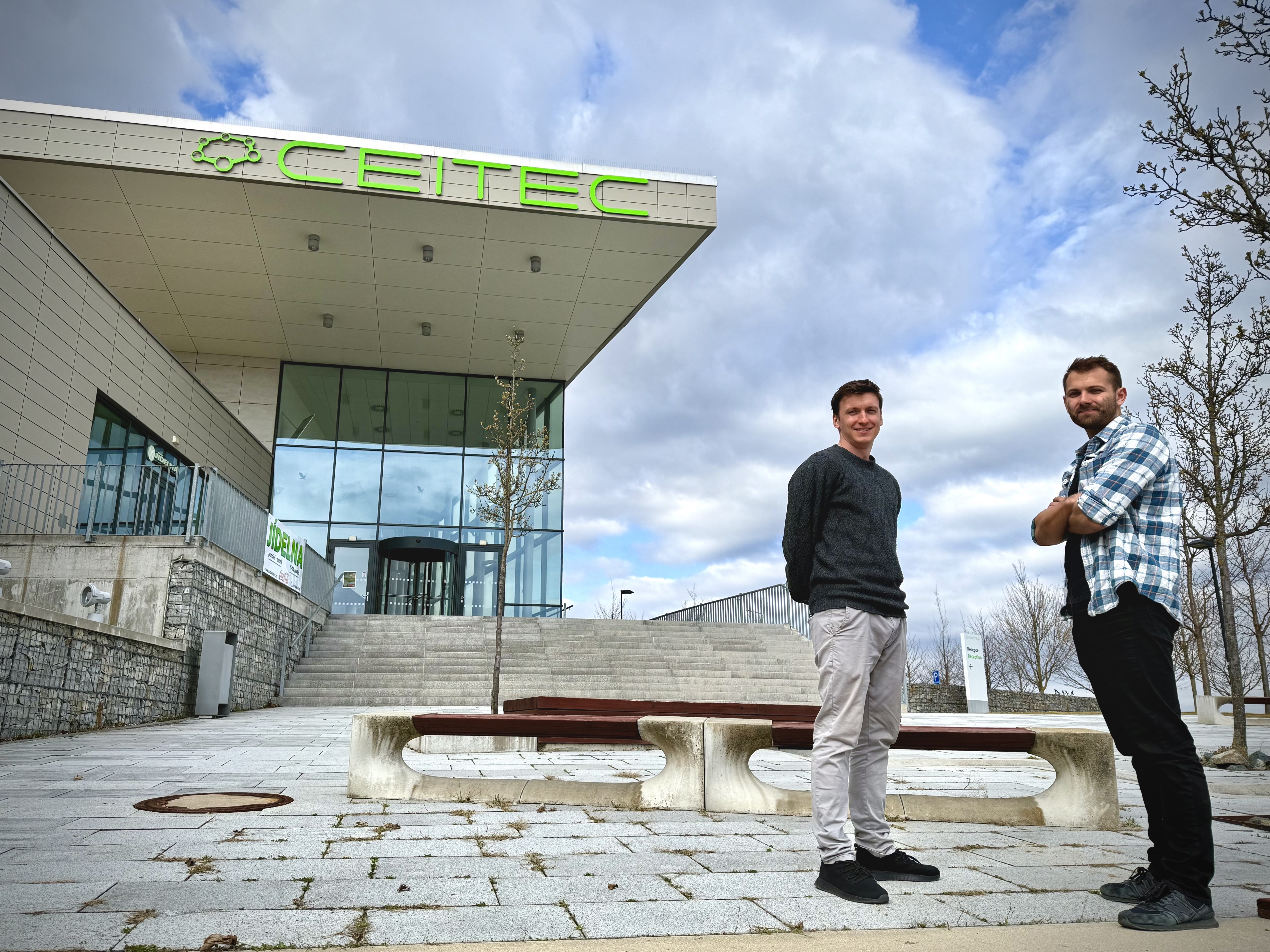 The CEITEC Innovation Accelerator support programme has been operating successfully since last year. It focuses directly on the transfer and application of research into practice and can thus become a key step in the challenging journey of a product from the laboratory to the customer.
There are currently two projects running in the program. The first is led by Jiří Ehlich, who is focusing on the integration of electrical and biological systems. The second project is led by Jiří Spopusta, who wants to create an accessible method for viewing sections using an electron microscope and studying defects in materials through local modification.
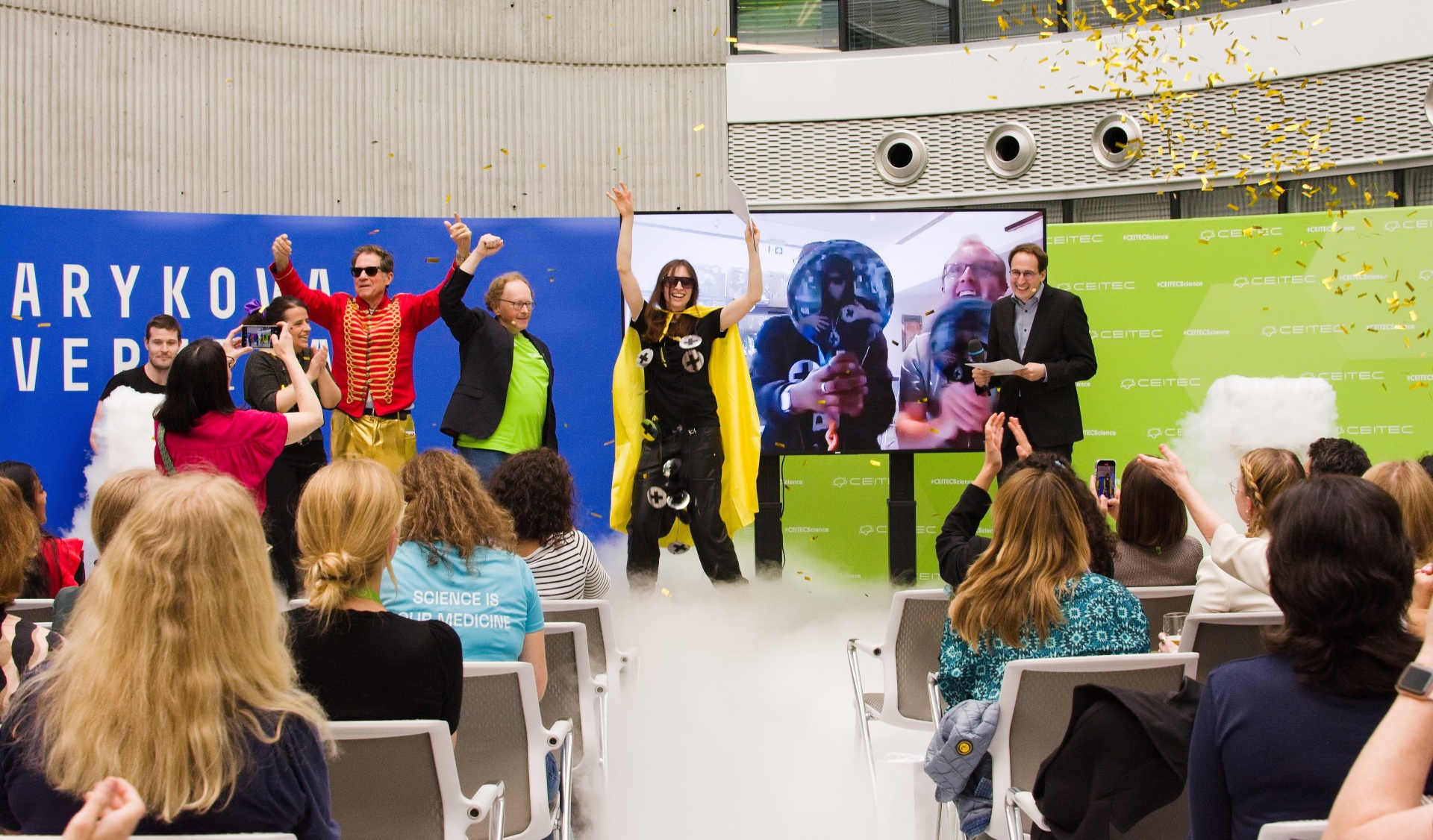
CEITEC hosted a competition unlike anything the Czech science scene has seen before. The EU-LIFE Science Vision Talk Contest blended the best of scientific TED-style talks with the wild energy of Eurovision. One by one, 18 scientists from 15 leading European research institutions took to the stage in Brno. Their mission? To convince the audience – in just four minutes – that their research can be understandable, fun, and genuinely exciting. There was rapping, drumming, dancing, and even some Shakespeare-style drama – all wrapped around themes of biology, medicine, and data security.