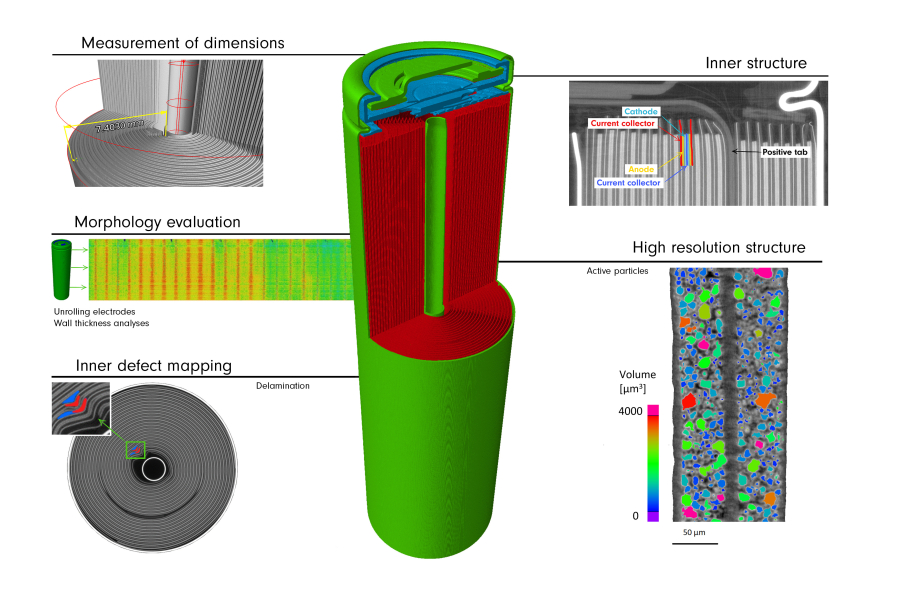
CT technology enables the non-destructive measurement of entire batteries in tens of micrometers up to electrodes in hundreds of nanometers
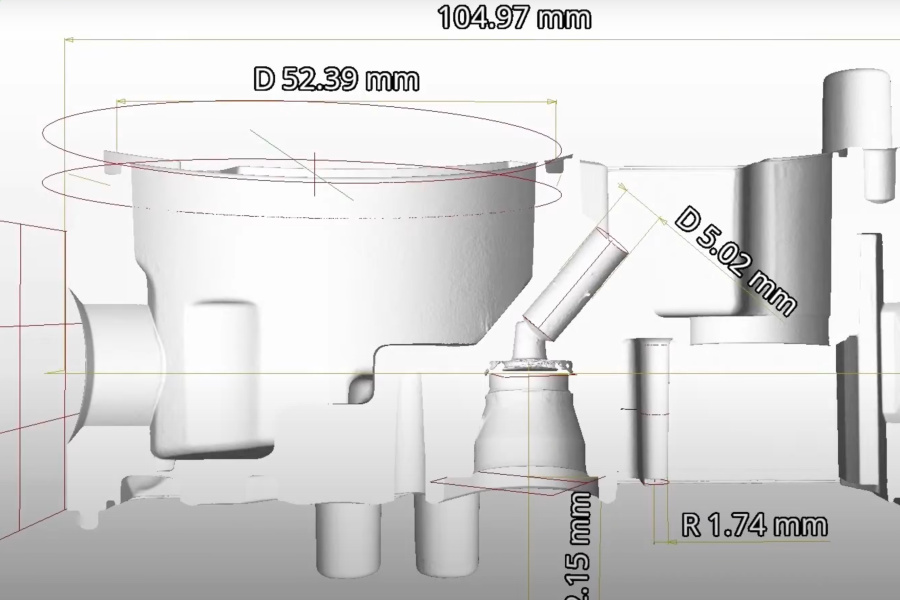
Designed to fit ruled geometries such as planes or cylinders to the respective structures of a scanned object in order to perform measurements between these objects
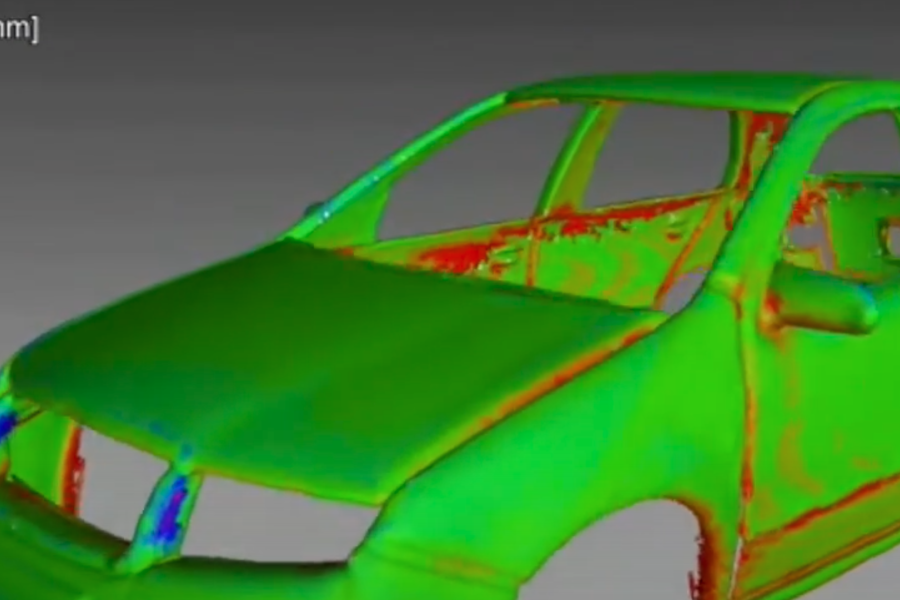
Allows to examine objects for areas in which the wall thickness is within a user-defined interval between a minimum and maximum permissible wall thickness
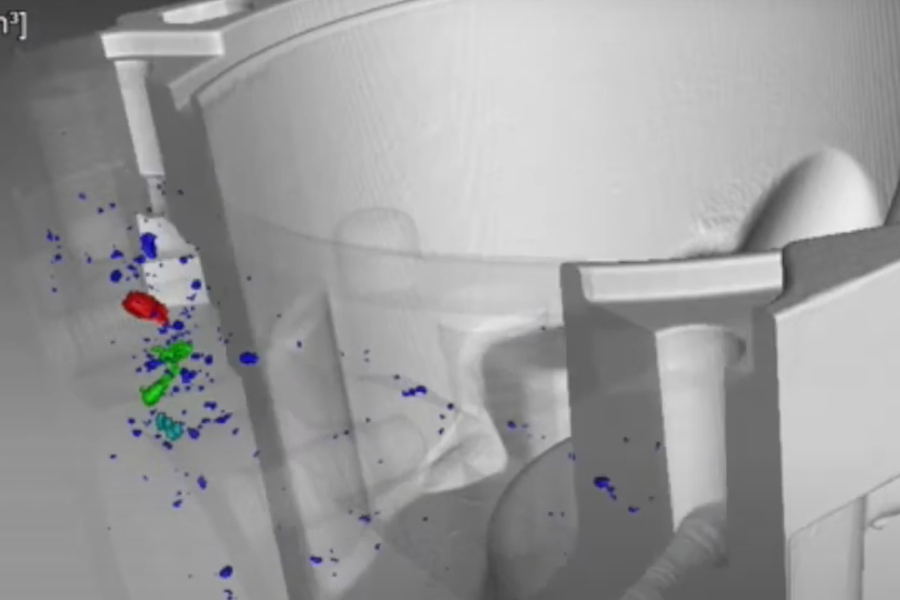
Allows material defects such as blowholes or bubbles in castings to be detected and analyzed
The principal purpose of the hardness test is to determine and measure of the material’s resistance to localized plastic deformation

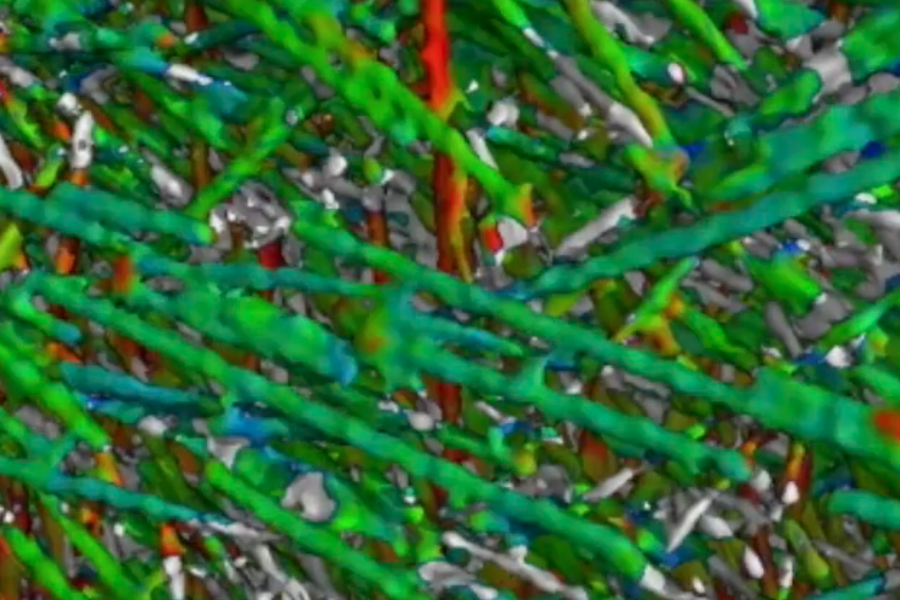
Possible to inspect fiber materials non-destructively and at the same time obtain all sorts of highly reliable information on the internal structure of your part
Allow to learn more about the materials and products ability to retain expected functionality throughout their service life